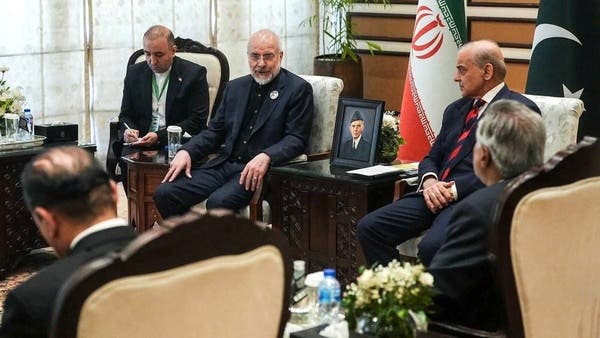

Recent pronouncements from Iran’s parliament speaker, Mohammad Bagher Ghalibaf, regarding a potential Lebanon ceasefire highlight the deepening interplay between regional geopolitical maneuvering and economic considerations across the Middle East and North Africa (MENA). Ghalibaf’s assertion that a ceasefire is contingent upon US compliance with prior agreements underscores Iran’s continued leverage stemming from its support for Hezbollah and the broader “Axis of Resistance.” This dynamic carries significant business implications, particularly for regional infrastructure projects that are often intertwined with political stability. Disruptions to Lebanese infrastructure, for instance, impact supply chains and investment flows throughout the region, potentially deterring foreign direct investment crucial for long-term economic growth. Sovereign wealth funds and international development banks are closely monitoring these developments to assess risk and adjust investment strategies accordingly.
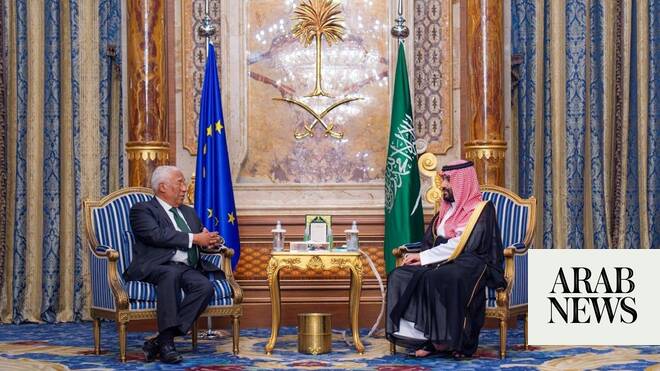
The recent US-Iran discussions, while framed as primarily focused on de-escalation, reveal a complex calculus involving multiple regional actors and their economic dependencies. Iranian participation at a senior level, despite earlier declarations of non-engagement without a ceasefire, suggests a strategic prioritization of dialogue, potentially driven by economic pressures or a recognition of the limitations of purely confrontational approaches. Sovereign capital in countries like Saudi Arabia and the UAE will be evaluating the potential impact of any normalization or de-escalation on regional markets and investment returns. Simultaneously, the renewed emphasis on ceasefires and dialogue could create opportunities for venture capital focused on sectors like reconstruction and humanitarian aid, albeit with inherent political risks. The long-term impact on regional infrastructure development will depend on the sustained nature of any de-escalation and the resulting stability in key markets.
Furthermore, the implications for the broader MENA region’s infrastructure ambitions cannot be overstated. The ongoing tensions in Lebanon, and their potential spillover effects, create uncertainty for large-scale projects such as energy pipelines, maritime trade routes, and digital infrastructure initiatives. Venture capital investment in these sectors is heavily reliant on predictable regulatory environments and secure operating conditions. Any escalation could lead to project delays, cost overruns, and ultimately, a diversion of capital to safer, less volatile markets. The “Israel First” rhetoric cited by Ghalibaf also raises concerns about potential disruptions to collaborative infrastructure projects involving Israel, impacting regional connectivity and economic integration. A sustained period of stability conducive to investment remains a prerequisite for realizing the full potential of infrastructure development across the MENA region.