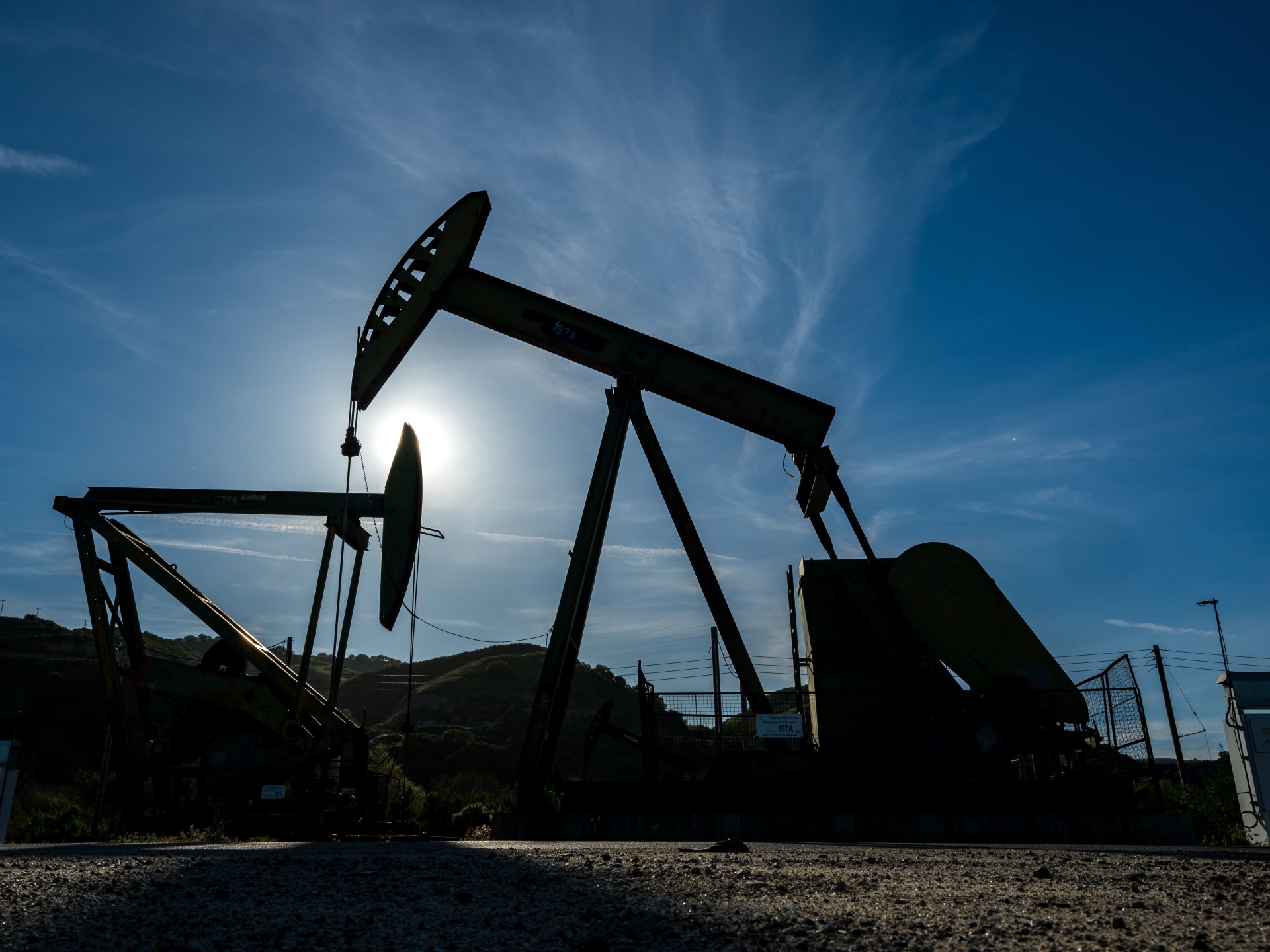

Brentcrude surged past $109 per barrel, marking a more than 1 % rise and an 11 % weekly advance, despite Tehran’s overture to reopen the Strait of Hormuz in exchange for postponing nuclear discussions. The price action underscores persistent market anxieties over the waterway’s vulnerability, a risk that directly threatens sovereign wealth portfolios and state‑run energy assets across the Gulf.
Such volatility compels sovereign investors to reassess exposure to Middle Eastern hydrocarbons and to re‑allocate capital toward diversified, security‑resilient assets. Venture firms are increasingly targeting maritime‑security technologies, AI‑driven logistics platforms, and alternative energy corridors that could bypass chokepoints, turning a geopolitical risk premium into a catalyst for high‑yield, infrastructure‑focused investments.
The prospect of a prolonged blockade reverberates through regional infrastructure planning, compelling governments and multilateral banks to fund resilient port upgrades, mine‑clearance programmes, and redundant pipeline routes that feed the New Silk Road network. Delayed clearances and lingering insurance premiums elevate the cost of capital for any project dependent on uninterrupted energy flows, pressuring sovereign issuers to front‑load financing for hardened maritime assets.
Looking ahead, sustained price strength is likely to intensify political pressure on both Iran and its adversaries to negotiate a durable security framework. This will accelerate sovereign budget commitments to coastal defence, port modernisation, and energy‑transition initiatives, while venture capital channels flow into startups offering real‑time tracking, autonomous escort vessels, and modular pipeline solutions that can restore normal throughput within months rather than years.