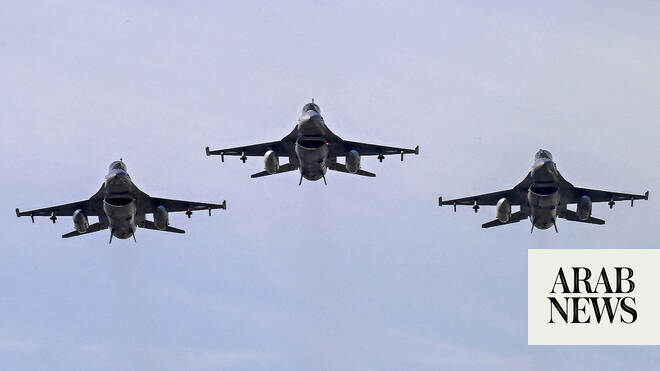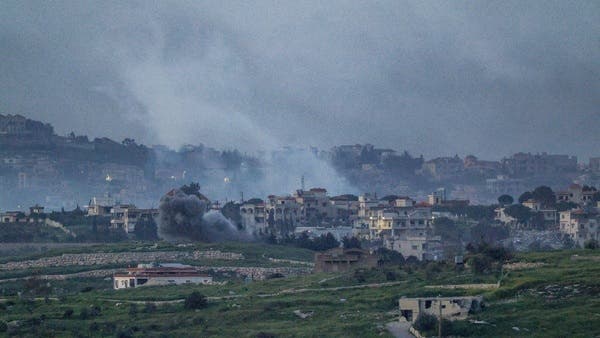

The Israeliairstrike that claimed seven lives and injured 33 in Ghazieh, occurring just hours before the scheduled 10‑day ceasefire, underscores a resurgence of kinetic conflict that threatens to destabilise the already fragile security calculus underpinning the Levantine market landscape. For sovereign debt investors, the incident injects a pronounced risk premium into Lebanese and, by extension, broader MENA sovereign spreads, as policymakers confront an unpredictable escalation that could prolong the conflict and delay fiscal consolidation.
Venture‑capital ecosystems centred on Israeli high‑tech and cross‑border start‑ups are likely to experience a short‑term capital reallocation toward defence‑related R&D, diverting funds from consumer and cleantech verticals that have driven recent growth narratives. This pivot will ripple across the regional VC pipeline, compressing valuations for potential exits and prompting limited partners to reassess exposure to conflict‑adjacent markets.
Infrastructure programmes that rely on Israel‑Lebanon corridor stability—particularly renewable‑energy interconnections and multimodal transport corridors—are poised to face schedule slippages and cost overruns. The spectre of prolonged hostilities compels multilateral development banks to factor heightened geopolitical volatility into project risk assessments, potentially constraining financing volumes for strategic mega‑projects across the Eastern Mediterranean.
Looking ahead, sovereign risk managers and infrastructure financiers must recalibrate their asset‑allocation models to incorporate the probability of intermittent conflict flare‑ups, while regional investors may increasingly gravitate toward defensive asset classes and seek hedging instruments that mitigate exposure to spill‑over effects on sovereign yields, VC funding dynamics, and cross‑border infrastructure pipelines.