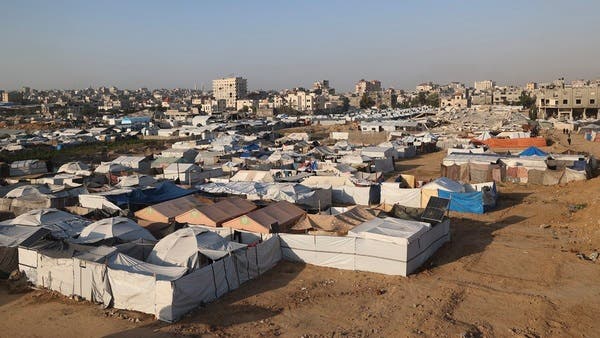

The escalating conflict in Gaza, specifically the reported airstrike on a police checkpoint in Bureij camp resulting in multiple fatalities, carries significant, albeit complex, implications for the Middle East and North Africa (MENA) region’s financial and technological landscape. While the immediate humanitarian crisis represents a profound concern, the conflict’s broader economic repercussions are beginning to crystallize. Sovereign wealth funds across the region will be increasingly scrutinized for their engagement with entities and technologies potentially implicated in the conflict, leading to a likely recalibration of investment strategies focused on geopolitical risk mitigation and ethical considerations. This may manifest as a shift away from sectors perceived as contributing to regional instability and towards more resilient, diversified portfolios, particularly in areas like renewable energy and digital infrastructure.
The impact on venture capital activity within MENA is multifaceted. While the immediate disruption to business operations and investor sentiment poses a short-term challenge, the conflict could also accelerate the prioritization of technologies supporting resilience and security. Expect increased investment in areas such as cybersecurity, critical infrastructure protection, and communication technologies designed for challenging environments. Furthermore, the long-term economic recovery of the region will necessitate substantial infrastructure development, presenting significant opportunities for both regional and international investors. However, securing sovereign capital for these projects hinges on maintaining regional stability and addressing concerns related to resource allocation amidst competing priorities.
Regional infrastructure development, a key pillar of MENA’s long-term economic growth strategy, faces renewed uncertainty. The conflict underscores the fragility of regional stability and its direct impact on supply chains and investment flows. While strategic investments in sectors like smart cities and sustainable urban development remain compelling, securing the necessary financing will depend on a cohesive regional approach and a commitment to de-escalation. The potential for increased geopolitical fragmentation could hinder cross-border infrastructure projects and necessitate a greater reliance on regional resource mobilization and alternative financing mechanisms. Moreover, the humanitarian crisis will likely divert capital that could have been allocated to long-term infrastructure initiatives, creating a complex trade-off between immediate needs and future development.
The broader financial ecosystem in MENA must adapt to this evolving environment. Increased volatility in energy markets, a key driver of regional wealth, is anticipated. Financial institutions will need to strengthen risk management protocols and focus on supporting businesses resilient to geopolitical shocks. Furthermore, the conflict highlights the importance of robust financial inclusion initiatives to mitigate potential economic hardship for vulnerable populations. The long-term stability of MENA’s economic prospects will ultimately depend on achieving a negotiated resolution to the conflict and fostering a more stable and predictable regional environment conducive to sustainable growth and investment.