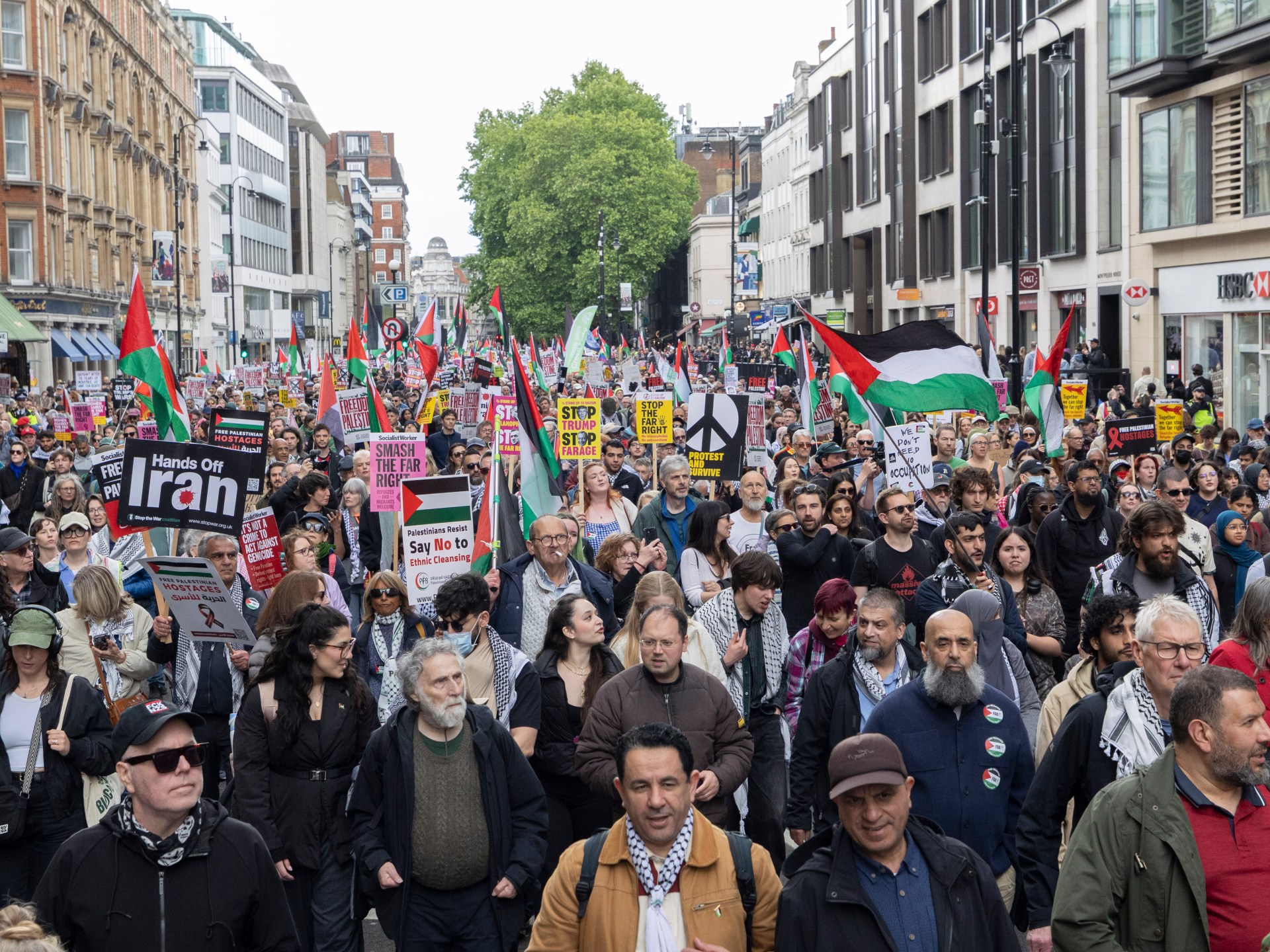

Israeli societal divisions and their economic ramifications demand urgent scrutiny, particularly as escalating political tensions threaten to derail regional stability and stifle decades of fragile progress. The annual Jerusalem Day march, a flashpoint for sectarian violence, underscores the corrosive interplay between state-sanctioned ideology and grassroots extremism, with profound implications for sovereign capital, venture capital investment, and infrastructure resilience in the Middle East and North Africa (MENA) region. The normalization of overtly racist chants and physical intimidation against Palestinians—not merely isolated incidents but institutionalized via government-endorsed marches—creates a hostile environment for cross-border commerce, disincentivizing foreign capital flows and undermining institutional trust essential for sustainable growth.
The deliberate closure of Palestinian businesses during these events, often enforced through permits or coercive policies, represents a direct assault on local economic infrastructure and a self-inflicted wound on the MENA economy. Western Wall marches, which concentrate economic activity in specific zones while displacing Palestinian livelihoods, exacerbate spatial inequities and fragment market dynamics. Such practices not only cripple small-scale enterprise but deter institutional investors wary of operating in regions where state-approved identity politics prioritize sectarian symbolism over macroeconomic coordination. For venture capital ecosystems, which require predictable legal and social frameworks to thrive, this environment signals systemic risk, deterring early-stage funding that could otherwise catalyze innovation in sectors like fintech or renewable energy.
Sovereign capital strategists must now recalibrate portfolios in light of Israel’s embedding of exclusionary policies into its national narrative. The international illegitimacy of East Jerusalem’s annexation, compounded by the performative celebration of division through marches, risks triggering divestment petitions and regulatory friction in global markets. Jordan and Egypt, historically reliant on regional stability for their own economic trajectories, face heightened pressure to renegotiate aid packages or security partnerships, further destabilizing MENA’s geopolitical scaffolding. Without immediate reforms to curb identity-driven violence and foster inclusive economic participation, the region’s latent potential—particularly in youth-driven innovation and pan-MENA infrastructure ties—will remain unrealized, perpetuating cycles of distrust and underdevelopment.