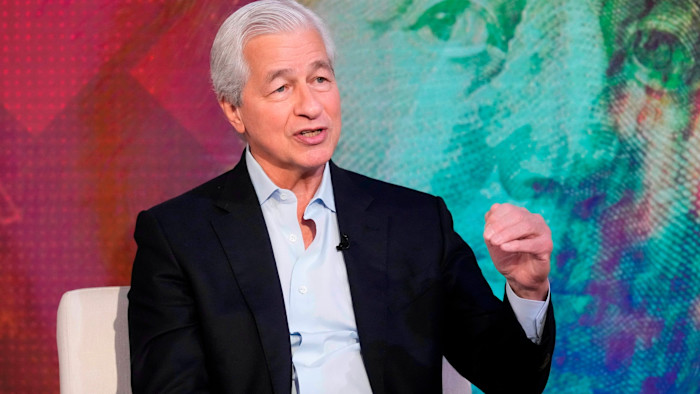

The projected $1 trillion in global investment underpinning artificial intelligence infrastructure, as highlighted by JPMorgan Chase CEO Jamie Dimon and BlackRock CEO Larry Fink, carries significant implications for the Middle East and North Africa (MENA) region, extending far beyond mere technological advancement. While the sheer scale of this expenditure presents opportunities, it also underscores existing vulnerabilities and necessitates strategic interventions from both sovereign entities and regional venture capital (VC) ecosystems. The current narrative, emphasizing supply shortages and rapidly accelerating demand, suggests a potential for significant disruption and a widening divergence in economic fortunes across industries – a “K-shaped economy” as Fink aptly described.
For MENA, the business impact will be multifaceted. The region’s burgeoning digital economies, particularly in the UAE, Saudi Arabia, and Egypt, are poised to benefit from increased access to advanced AI capabilities. However, the infrastructure requirements – data centers, high-bandwidth connectivity, and specialized hardware – represent a substantial barrier to entry. Sovereign wealth funds (SWFs) like Mubadala Investment Company and Saudi Arabia’s Public Investment Fund (PIF) are likely to play a crucial role in bridging this gap, potentially through direct investments in data center development or strategic partnerships with global technology providers. The success of Vision 2030 in Saudi Arabia, for example, is inextricably linked to the nation’s ability to cultivate a robust AI ecosystem, and this trillion-dollar investment wave provides a clear impetus for accelerated action.
The regional VC landscape also faces a critical juncture. While MENA’s VC activity has seen considerable growth in recent years, it remains comparatively nascent compared to more established ecosystems. To capitalize on the AI boom, regional VC firms must shift their focus towards deep-tech investments, specifically targeting companies developing AI-powered solutions tailored to local market needs. This requires a greater emphasis on technical due diligence and a willingness to support longer-term, higher-risk ventures. Furthermore, the geopolitical dimension highlighted by Fink – the competition for AI dominance – necessitates a proactive approach from MENA governments to foster local talent and incentivize innovation, mitigating the risk of becoming mere consumers of foreign technology.
Ultimately, the realization of this $1 trillion investment’s potential in MENA hinges on the development of robust regional infrastructure. This includes not only physical data centers but also the digital backbone – reliable and secure internet connectivity, cloud computing services, and cybersecurity infrastructure. Governments must prioritize policies that encourage private sector investment in these areas, while also fostering a regulatory environment that promotes innovation and data security. The rapid pace of technological change, as emphasized by Dimon’s comments on the need for near-instantaneous patching of vulnerabilities, demands a nimble and adaptive approach from policymakers across the region. Failure to do so risks exacerbating existing inequalities and hindering MENA’s ability to participate fully in the global AI revolution.