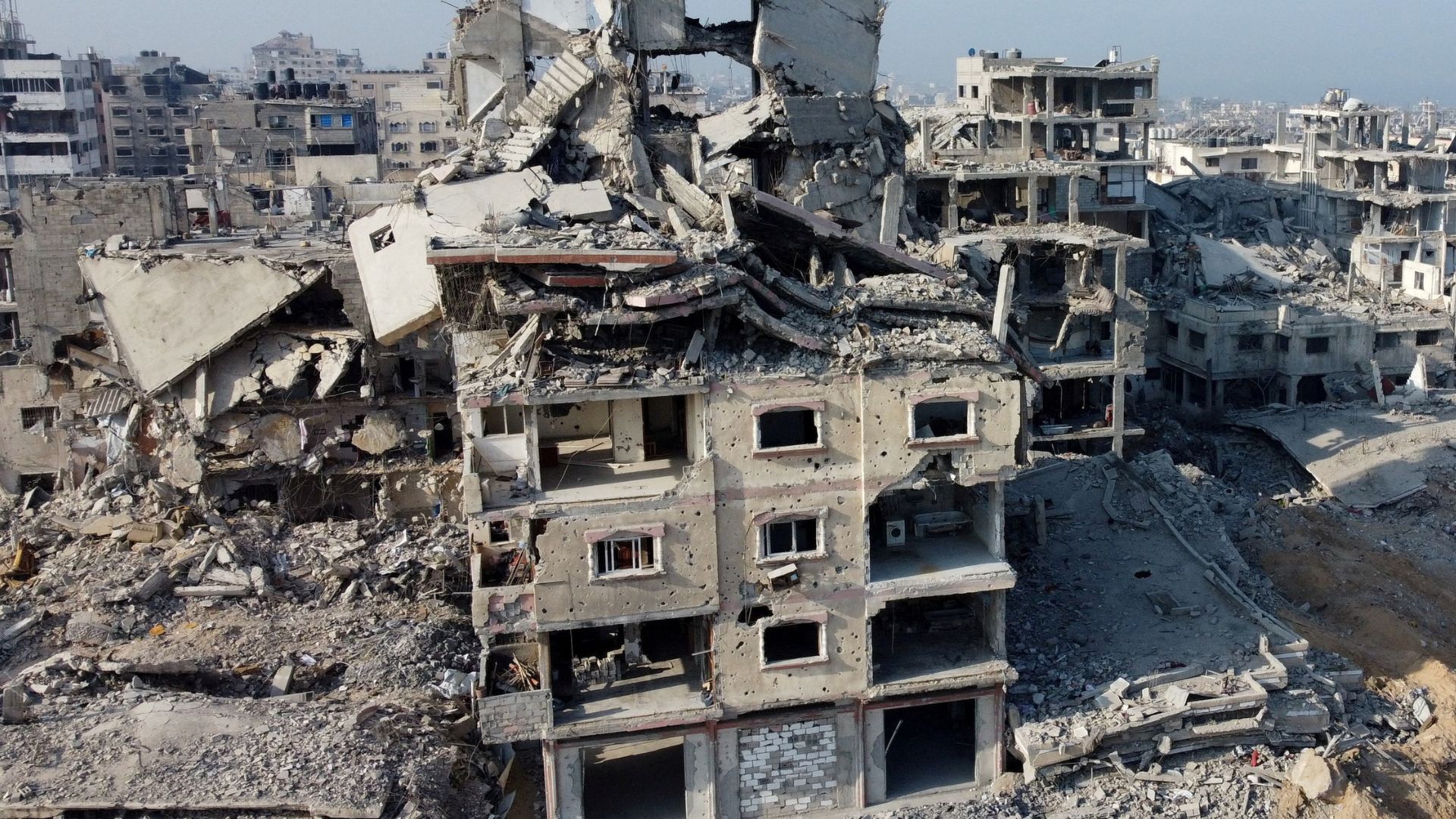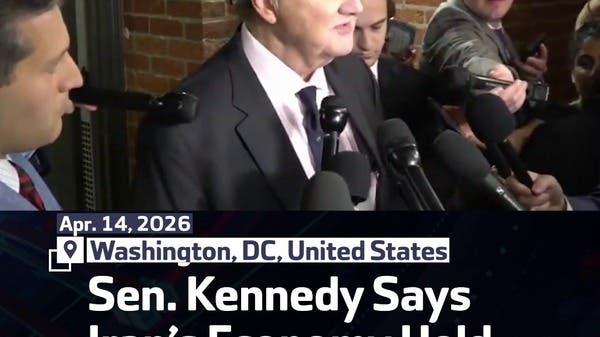

Iran’s economic resilience, or lack thereof, serves as a microcosm of systemic fragility in the Middle East and North Africa (MENA) region, where governance deficits and geopolitical tensions continue to erode sovereign financial stability. Senator Kennedy’s colorful analogy underscores the stark reality that Iran’s economy, propped up by a combination of state subsidies, illicit financial networks, and black-market exchange mechanisms, remains structurally vulnerable to shocks. For MENA policymakers, this highlights the urgent need to disentangle sovereign capital flows from geopolitical brinkmanship. The region’s consolidated public debt, already strained by pandemic-era spending and energy price volatility, faces mounting pressure as the United States and Gulf Cooperation Council (GCC) nations recalibrate incentives for investment. A 2023 IMF report warns that MENA sovereigns could face a $80 billion annual funding gap by 2025 without urgent reforms, a chasm exacerbated by Iran’s isolation from Western capital markets.
Venture capital activity in the MENA region remains bifurcated, with Gulf states spearheading innovation ecosystems while Iran’s entrepreneurial sector languishes under sanctions and capital controls. GCC countries—backed by record sovereign wealth funds—have vaulted into the global top 10 for startup funding, with Saudi Arabia’s Vision 2030 funneling $6 billion annually into tech ventures. In contrast, Iran’s venture capital market, hamstrung by currency devaluation and restricted access to global networks, has seen a 70% year-over-year decline in private equity inflows. This divergence underscores a strategic imperative for regional nations: leveraging secular trends in digital infrastructure and renewable energy to attract cross-border capital. For instance, Morocco’s recent $2 billion investment in AI infrastructure and Egypt’s offshore liquefied natural gas (LNG) projects illustrate how MENA states can bypass traditional intermediaries to secure funding aligned with global decarbonization agendas.
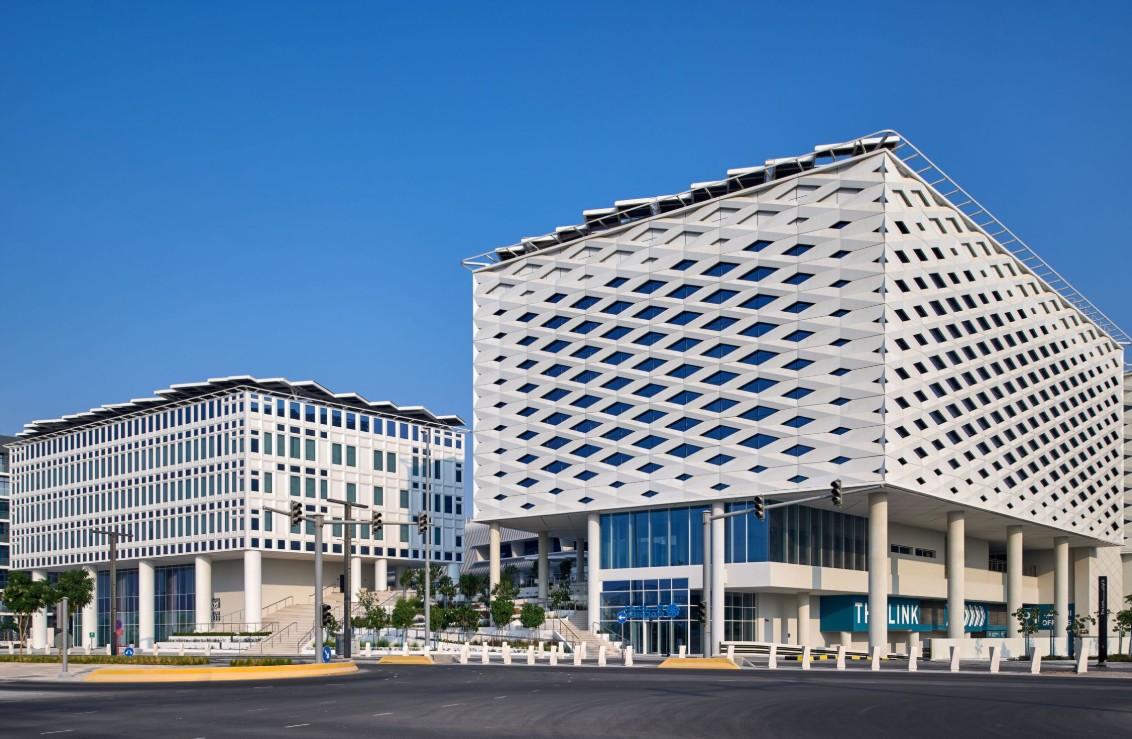
The regional infrastructure imbalance further amplifies MENA’s capital mobility challenges. Iran’s contentious nuclear program and ballistic missile development, criticized by the U.S. and Israel, have diverted critical resources from transport and energy grid modernization. Meanwhile, Gulf-led initiatives like NEOM in Saudi Arabia and the UAE’s Masdar City have become proving grounds for sustainable urban development, drawing $1.3 trillion in regional and international investment since 2020. These projects, while emblematic of progressive capital allocation, also expose a stark divide: sovereigns capable of securitizing infrastructure assets through sovereign bonds or public-private partnerships (PPPs) thrive, while peers reliant on opaque financing mechanisms falter. The path forward demands a recalibration of sovereign credit frameworks, with emerging powers like China and India increasingly filling gaps left by Western institutions—though such diversification introduces its own risks, as evidenced by Ethiopia’s debt distress following opaque Chinese-backed hydropower ventures.