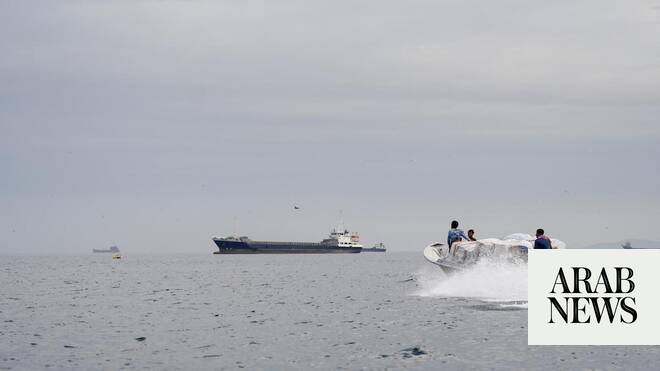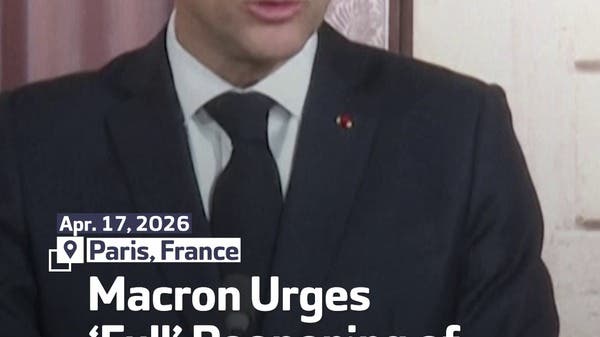

French President Emmanuel Macron has reiterated his call for a complete resumption of maritime traffic through the Strait of Hormuz, a strategic waterway vital to global oil supply. This statement carries significant weight for the Middle East and North Africa (MENA) region, impacting sovereign capital flows, venture capital deployments, and regional infrastructure development. The Strait of Hormuz is a critical chokepoint, and disruptions, as historically evidenced, have exposed vulnerabilities in global energy markets, directly affecting the economic stability of numerous nations within the region, particularly those heavily reliant on hydrocarbon exports.
The economic ramifications of any continued restrictions on Hormuz’s passage are substantial. Sovereign wealth funds across the MENA region, including those in Abu Dhabi, Qatar, and Saudi Arabia, allocate significant capital to energy-related infrastructure projects, logistics networks, and technology development. A prolonged disruption would severely hamper these investments, potentially diverting capital to other sectors and impacting long-term economic growth prospects. Furthermore, the region’s burgeoning venture capital ecosystem, heavily focused on energy transition and port infrastructure advancements, is acutely sensitive to geopolitical stability. Uncertainty surrounding access to key shipping lanes will likely temper investment appetite, hindering the development of innovative solutions for maritime logistics and energy transport.
Beyond immediate economic considerations, the Strait of Hormuz situation underscores the imperative for enhanced regional infrastructure development. A robust and resilient maritime infrastructure network is crucial for mitigating future disruptions. Investments in port modernization, increased shipping capacity, and the deployment of advanced monitoring technologies are paramount. Sovereign capital, alongside international partnerships, should prioritize initiatives that bolster the security and efficiency of the waterway. This includes fostering greater diplomatic engagement among regional and international stakeholders to de-escalate tensions and ensure predictable transit routes. The future prosperity of the MENA region, and indeed the global energy market, hinges on secure and reliable access to vital resources, and a stable Strait of Hormuz is non-negotiable.
In conclusion, Macron’s call for a full resumption of activity through the Strait of Hormuz is a timely reminder of the region’s crucial role in the global energy landscape. The implications extend far beyond geopolitical concerns, profoundly impacting sovereign capital allocation, venture capital investment patterns, and the sustained development of critical regional infrastructure. Addressing existing tensions and fostering a climate of predictability are essential prerequisites for unlocking the full economic potential of the MENA region and ensuring the continued stability of global energy markets. A proactive and coordinated approach from regional and international actors is required to navigate the complexities and maintain the integrity of this strategically vital waterway.