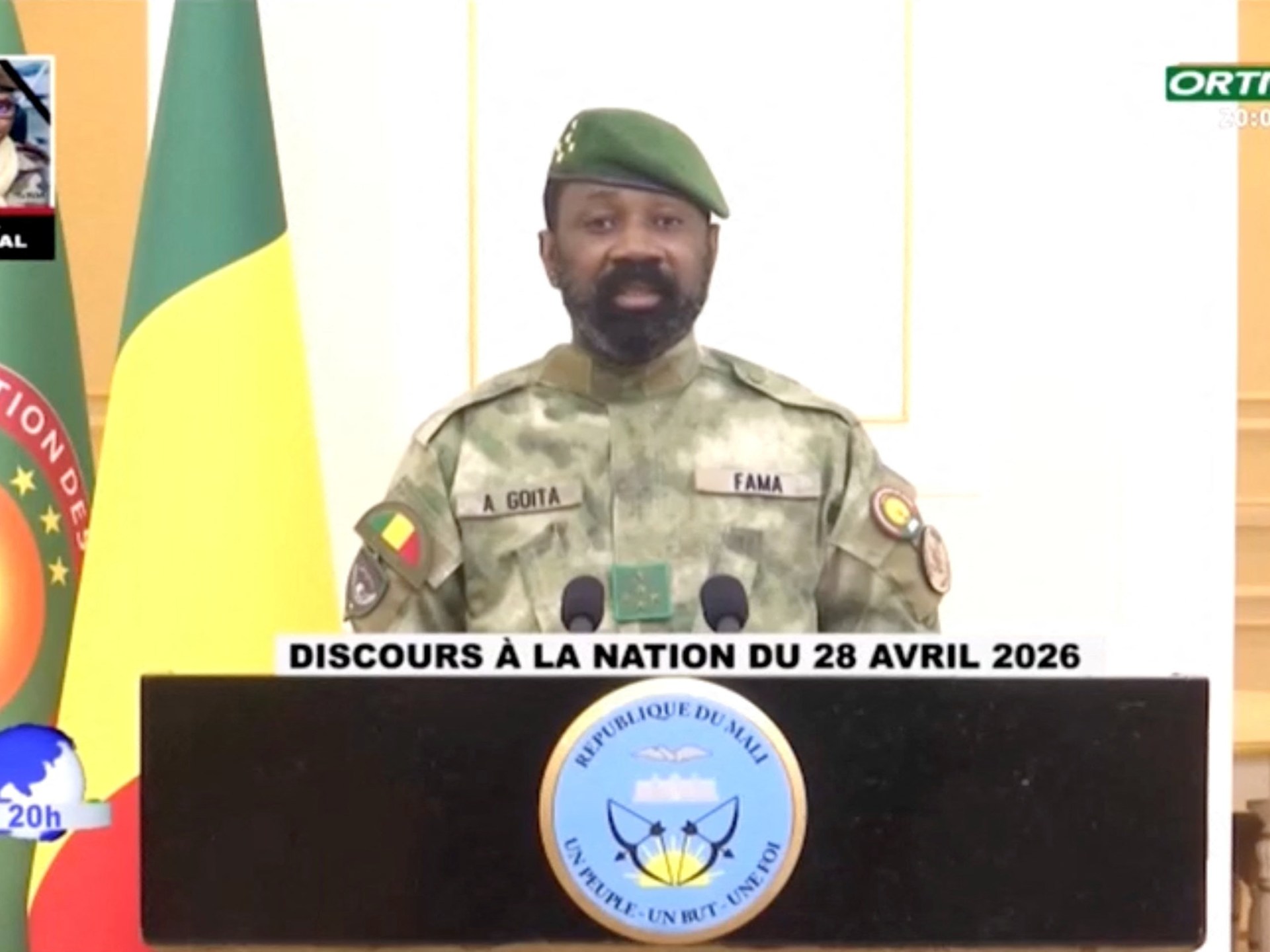

The escalating instability in Mali, underscored by the recent assassination of Defence Minister Sadio Camara and subsequent military intervention by rebel groups, presents a significant and deepening challenge to regional security and economic prospects across the North African and Sahelian zones. The appointment of President Assimi Goita to the Defence Ministry, coupled with the elevation of General Oumar Diarra to delegate minister, represents a desperate attempt by the military government to consolidate control amidst a rapidly deteriorating operational environment. However, the underlying drivers – persistent jihadist activity by groups like Jama’at Nusrat al-Islam wal-Muslimin (JNIM) and the Islamic State Sahel Province (ISSP), alongside the ongoing territorial ambitions of the Tuareg-led Front Libération de l’Azawad (FLA), – demonstrate a fundamental lack of progress in achieving lasting stability.
The strategic implications for the MENA region are considerable. Mali’s fractured security landscape directly impacts neighboring countries, particularly Niger and Burkina Faso, which share porous borders and face similar threats from extremist organizations. The disruption of trade routes and the displacement of populations are already creating humanitarian crises and exacerbating existing economic vulnerabilities. Furthermore, the government’s decision to sever ties with France and the withdrawal of Russian Wagner mercenaries – now operating as the Africa Corps – has created a power vacuum and increased reliance on potentially unreliable external actors. Sovereign capital investment is likely to remain severely constrained, with investors prioritizing risk mitigation over long-term growth strategies, particularly in sectors reliant on stable governance and predictable security.
Venture capital activity in Mali and the wider Sahel remains exceptionally low, effectively stifling nascent tech sectors and hindering the development of crucial infrastructure. The ongoing conflict actively discourages private sector investment, and the lack of a secure operating environment makes it exceedingly difficult to establish reliable supply chains or attract skilled labor. Crucially, the regional infrastructure – roads, telecommunications, and energy – remains woefully inadequate to support economic development, and the current security situation actively undermines any attempts at improvement. Addressing this requires a coordinated, multi-faceted approach involving not just military intervention, but also significant investment in rebuilding essential services and fostering local governance structures.
Looking ahead, the situation demands a recalibration of regional security strategies. The reliance on external military support, while providing a temporary buffer, is ultimately unsustainable. A more effective approach necessitates a focus on strengthening local security forces through enhanced training and equipment, alongside a concerted effort to address the root causes of instability – poverty, inequality, and lack of opportunity – within the affected communities. Furthermore, a renewed dialogue with regional actors, including ECOWAS and the African Union, is essential to forge a unified strategy for stabilization and long-term development. Without a fundamental shift in this approach, Mali risks becoming a protracted zone of conflict, with profound and destabilizing consequences for the entire Sahel and the broader MENA region.