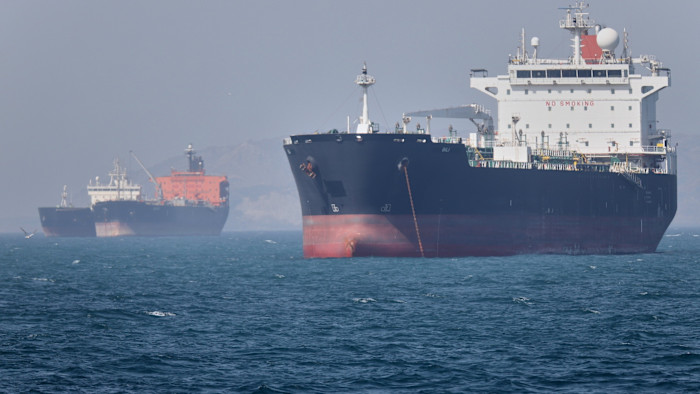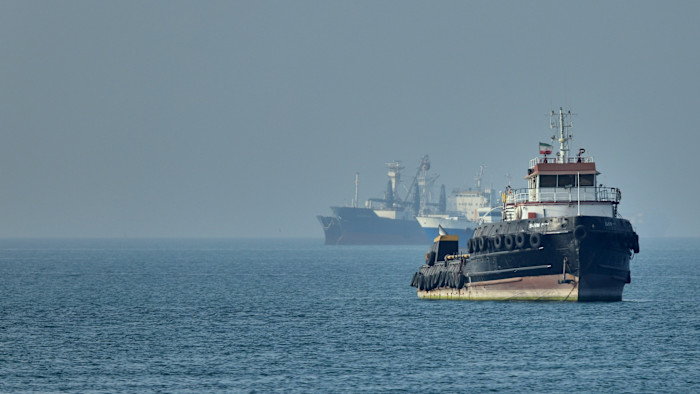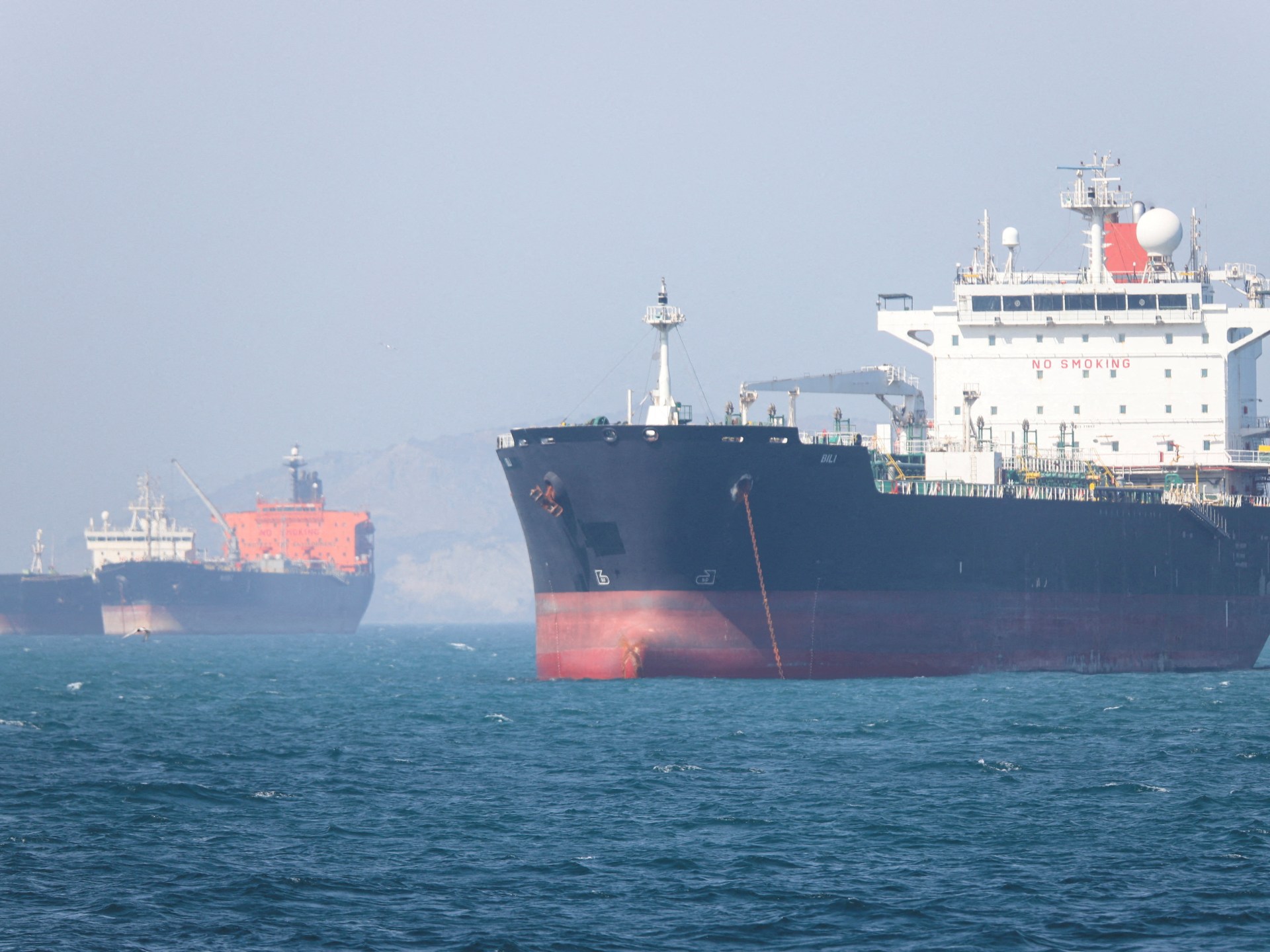

The escalating kinetic conflict in the Strait of Hormuz has transitioned from a localized maritime dispute to a systemic threat to global energy security and regional capital stability. As the Trump administration activates “Project Freedom”—a unilateral military initiative to forcibly break the Iranian blockade—the resulting volatility is placing immense pressure on the Middle East’s critical energy infrastructure. The recent missile strikes targeting the Fujairah Petroleum Industry Zone in the UAE underscore a critical vulnerability: the direct intersection of geopolitical brinkmanship and the physical assets that underpin the region’s sovereign wealth. For the GCC, the risk is no longer merely diplomatic; it is a direct threat to the operational integrity of the very hydrocarbon hubs that fuel their massive sovereign wealth funds (SWFs).
From a capital markets perspective, the heightened risk premium associated with the Hormuz transit corridor is exerting significant upward pressure on global energy commodities, contributing to inflationary tailwinds in Western economies. This instability creates a bifurcated landscape for MENA-based investment. While surging oil prices may temporarily bolster the fiscal positions of major exporters, the systemic risk to maritime logistics and regional security threatens to disrupt the long-term deployment of sovereign capital into infrastructure and cross-border projects. The uncertainty surrounding the Strait is forcing a reassessment of “safe haven” status for regional financial hubs, as the physical security of shipping lanes remains unassured despite US naval escorts.
Furthermore, the conflict’s impact on regional venture capital and the burgeoning technology ecosystem cannot be overstated. The diversion of focus toward defense and emergency kinetic response, coupled with potential disruptions to the flow of foreign direct investment (FDI), may stifle the momentum of the region’s digital transformation agendas. As the UAE and its neighbors navigate these threats to their sovereignty, the cost of insuring maritime trade and protecting high-value industrial zones will escalate, potentially redirecting capital away from growth-oriented tech sectors and toward defensive, resilience-focused infrastructure. For institutional investors, the current environment demands a rigorous de-risking of assets exposed to the Persian Gulf’s maritime choke points.