
The escalating tensions surrounding Iran’s actions in the Strait of Hormuz represent a significant and multifaceted risk to the Middle East and North Africa, demanding a recalibration of regional investment strategies and sovereign capital allocation. While initial market reactions have been muted, reflecting a perceived decline in oil’s historical impact on global economies – a factor driven by demonstrable improvements in oil intensity – the underlying geopolitical instability and potential for prolonged disruption pose a far more acute threat than past oil shocks. This situation necessitates a reassessment of regional infrastructure priorities and a proactive approach to mitigating potential sovereign debt vulnerabilities.
The immediate business impact centers on the potential for sustained supply chain disruptions, particularly affecting sectors reliant on maritime transport and high-value industrial inputs. The concentration of oil demand in sectors like aviation, shipping, and specialized manufacturing – areas less responsive to price fluctuations – creates a vulnerability that could trigger a cascade of economic consequences. Furthermore, the prospect of escalating tensions is already impacting venture capital activity within the region. Investment in energy transition technologies, while still a priority, is being tempered by heightened risk aversion, with a shift towards more defensively positioned investments in cybersecurity, logistics optimization, and alternative transportation solutions. Sovereign wealth funds, traditionally focused on long-term growth, are increasingly prioritizing portfolio diversification and stress-testing their holdings against potential geopolitical shocks.
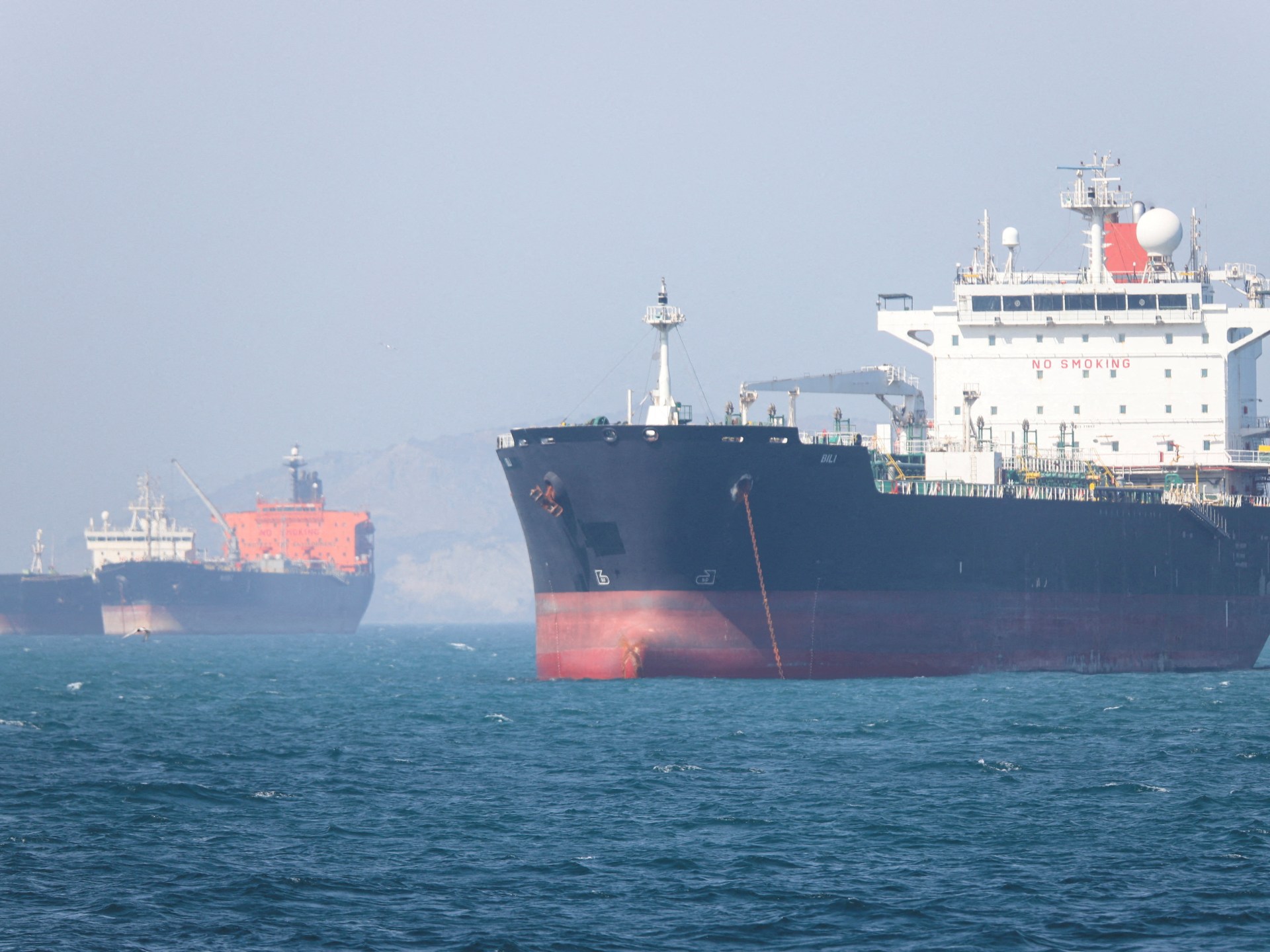
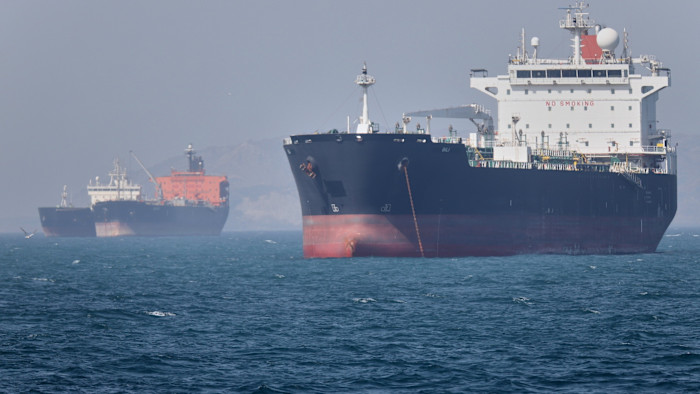
Sovereign capital in the MENA region is facing a critical juncture. Countries heavily reliant on oil revenues – Saudi Arabia, UAE, Kuwait – must immediately bolster their fiscal reserves and explore strategies to diversify their economies beyond hydrocarbons. This includes accelerating investments in non-oil sectors, strengthening domestic manufacturing capabilities, and actively pursuing partnerships in renewable energy and digital infrastructure. Simultaneously, regional infrastructure projects, particularly those related to port expansion and logistics networks, require urgent reassessment to ensure resilience against potential disruptions. The Strait of Hormuz itself remains a critical choke point, demanding strategic investments in alternative shipping routes and enhanced maritime security capabilities – a costly undertaking that will require international collaboration.
Looking ahead, the protracted nature of this crisis – and the potential for escalation – suggests a scenario far more damaging than previous oil shocks. Unlike the 1970s, modern economies are demonstrably less reliant on oil’s direct impact on GDP, yet the concentrated nature of its demand in critical sectors creates a vulnerability that could trigger a rapid and destabilizing economic adjustment. The risk of a synchronized downturn across major economies, driven by supply chain bottlenecks and inflationary pressures, is elevated. Policymakers across the MENA region must therefore adopt a proactive, rather than reactive, approach, prioritizing strategic diversification, bolstering fiscal resilience, and investing in infrastructure that can withstand prolonged periods of geopolitical uncertainty – a fundamental shift in strategy that will define the region’s economic trajectory for decades to come.