
The global energy landscape is facing a period of profound recalibration, driven by escalating geopolitical tensions and resulting vulnerabilities within critical infrastructure networks. The sustained disruption of energy supplies, particularly through chokepoints like the Strait of Hormuz, underscores the fundamental interconnectedness of modern petroleum distribution and the cascading effects of localized failures. This analysis examines the business implications of these disruptions on sovereign capital, venture capital deployment, and the long-term implications for regional infrastructure development, while also assessing the adaptive strategies of Asian refineries.
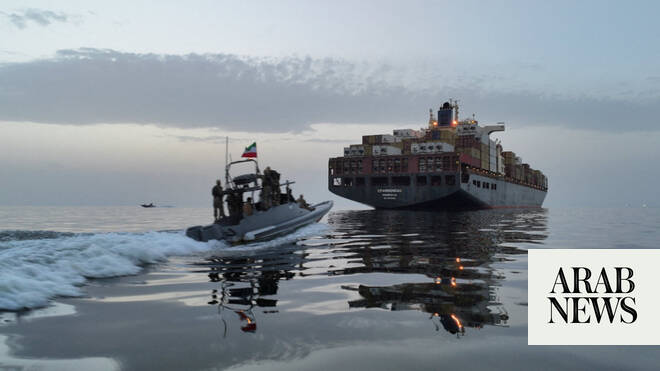
The Strait of Hormuz, a critical maritime passage controlling approximately 20% of global oil and liquefied natural gas (LNG) supply, serves as a pivotal nexus in the world’s energy architecture. Pre-crisis, the waterway handled over 18 million barrels per day of crude oil and petroleum products, alongside roughly 25% of global LNG shipments. Gulf states rely on Hormuz access for 60-90% of their export capacity, highlighting its strategic importance. The recent attacks on energy facilities in Saudi Arabia, including the East-West Pipeline, which normally carries 4.5 million barrels per day, demonstrate the vulnerability of this critical infrastructure. The prioritization of alternative access routes, such as the partially restored East-West Pipeline and the UAE’s Northern Emirates pipelines, underscores the growing focus on redundancy in energy supply chains. The selective exemption granted to Iraq for transit through Hormuz, despite regional tensions, reflects the complex interplay of geopolitical considerations and the strategic importance of maintaining access to key markets.
Infrastructure restoration scenarios are subject to complex economic modelling, incorporating variables such as diplomatic progress, security guarantees, and market psychology. Recent developments following a two-week ceasefire between the U.S. and Iran have spurred market positioning for partial resumption, with an estimated initial capacity of 2-4 million barrels per day. However, Tehran’s continued reluctance to fully lift the blockade introduces considerable uncertainty. The anticipated phased reopening framework outlines initial limited access for diplomatically aligned producers, followed by conditional expansion under enhanced security protocols, and finally, a return to pre-crisis operational normality. This framework necessitates significant strategic investment in alternative export infrastructure, including expansion of existing pipelines like the Saudi East-West Pipeline and the UAE-Oman interconnection project, as well as the development of strategic petroleum reserves. Asian refiners are exhibiting adaptive behaviour, actively chartering tankers and diversifying sourcing from non-Gulf regions, indicating a calculated approach to mitigate supply chain risks. This shift is underpinned by strategic procurement shifts, with Indian refiners prioritizing Iraqi crude and South Korean operators securing tankers for Asian imports.
The disruptions to energy infrastructure are catalyzing long-term investment and strategic planning across the MENA region and beyond. The heightened risk environment is driving significant capital allocation towards pipeline expansion initiatives – including the Saudi East-West expansion, the UAE-Oman interconnection, and the Iraq-Turkey corridor – as well as substantial increases in strategic petroleum reserve build-up across major economies. The integration of advanced technologies, such as real-time supply chain monitoring, predictive analytics, and blockchain-based documentation, is also accelerating, aiming to enhance supply chain resilience and transparency. The geopolitical implications of these disruptions are reshaping regional power dynamics and influencing diplomatic strategies, emphasizing the need for robust, diversified energy infrastructure and proactive risk management frameworks. The experience highlights a growing recognition that energy security is not solely a technical challenge, but also a complex interplay of geopolitical, economic, and infrastructural considerations demanding a proactive and adaptive approach to long-term energy planning.