
The ongoing disruptions to international shipping are catalyzing a profound recalibration of Saudi Arabia’s consumption economy, with ripple effects reaching far beyond retail shelves. As geopolitical tensions tighten shipping routes through the Strait of Hormuz—a chokepoint responsible for nearly 20 percent of global seaborne oil and gas—importers face mounting delays and rising insurance costs. While the Kingdom’s logistical infrastructure has thus far insulated it from outright shortages, the unpredictability is quietly redistributing capital from foreign brands into the hands of domestic players, reinforcing the long-term strategic shift toward economic localization.
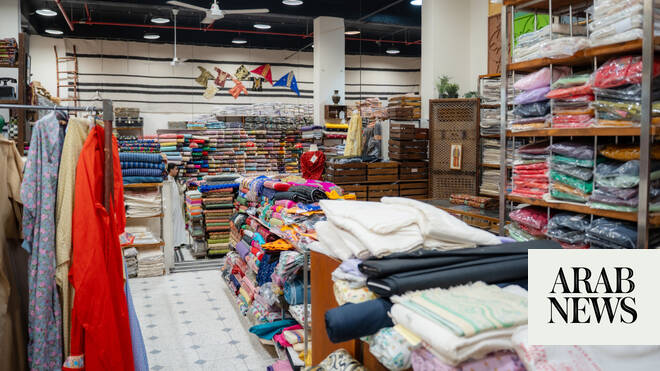
This redirection of spending is proving economically consequential. With retail activity surging by more than 8 percent in 2025 alone, consumer expenditure is increasingly supporting home-grown brands, a shift powered by both necessity and evolving preferences. Apparel and accessories now command over SR55 billion in POS spending, while total retail activity approaches SR385 billion annually, projected to grow to SR470 billion by 2030. Cultural drivers—especially during high-impact periods such as Eid—heighten the significance of this transition, as limited access to overseas fashion is redirecting tradition-bound purchasing patterns back toward Saudi-based designers who already understand local tastes at a granular level.
The structural reinforcement of this inward tilt is being matched by aggressive sovereign investment in transport and logistics networks. Recent port expansions, including Mawani’s SR2 billion container terminal concession at Jubail Commercial Port, which will increase capacity by 60 percent, reflect the government’s intent to insulate the Kingdom from global fragility. This infrastructure fortification, alongside improved regional connectivity, is creating a stronger domestic supply chain that not only mitigates shipping risks but also enhances the profitability of local manufacturers and designers. The flow of capital into sovereign capital expenditure signals a commitment to long-term economic sovereignty that begins to erode dependency on vulnerable global trade arteries.
Venture capital and investment interest are also pivoting to capture this secular shift. Early-stage consumer and fashion tech companies tapping into the demand for home-grown products are finding a receptive investor base eager to bet on Saudi Arabia’s rising brands. With Saudi-based labels reporting stronger sales momentum and expanded ambitions—Mohammed Khoja’s Hindamme being among those articulating dual local and global growth strategies—the market’s recalibration is solidifying beyond a short-term response. These dynamics collectively point to a larger inflection: the Kingdom is turning supply chain disruption into a competitive advantage, anchoring more spending, talent, and growth within domestic markets while safeguarding against the recurrence of global volatility.