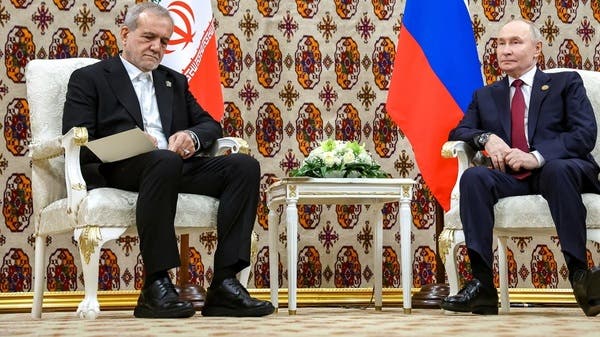

Recent communications between Russian President Vladimir Putin and Iranian President Masoud Pezeshkian signal a deepening strategic alignment with significant implications for the Middle East and North Africa (MENA) region. While framed primarily as efforts to mediate Middle East conflict resolution, this engagement carries substantial business and financial repercussions for the region’s sovereign wealth funds and burgeoning venture capital ecosystems. The increased interaction suggests a coordinated approach to reshape regional power dynamics, potentially influencing investment flows and infrastructure development.
A key consideration is the potential for enhanced financial cooperation between Russia and Iran to circumvent existing international sanctions. This could unlock capital for ambitious infrastructure projects across the MENA region, particularly in areas lacking readily available Western funding. Sovereign wealth funds in countries like Saudi Arabia and the UAE will need to carefully assess the implications of these geopolitical shifts, evaluating both opportunities and risks associated with potential new investment partners. The diversification of investment sources, while often encouraged, now necessitates a more nuanced understanding of the geopolitical landscape and associated counterparty risks. Furthermore, the increased Russian presence may influence the direction of strategic investments in energy, technology, and defense.
The implications for the regional venture capital sector are noteworthy. A shift in geopolitical alliances could redirect investment capital away from traditional Western-leaning tech hubs and towards regions offering greater political stability and access to alternative financing mechanisms. Iranian and Russian involvement could foster new partnerships and investment opportunities in sectors such as cybersecurity, fintech, and alternative energy, areas where both nations possess growing expertise. MENA-based VC firms will need to adapt their strategies to navigate this evolving landscape, potentially seeking collaboration with regional and international investors comfortable with a more complex geopolitical environment. However, due diligence regarding regulatory frameworks and potential sanctions remains paramount.
Beyond finance, the renewed dialogue between Moscow and Tehran presents opportunities and challenges for regional infrastructure development. Russia’s expertise in energy infrastructure, particularly pipelines and power generation, could be leveraged to accelerate projects in countries seeking to diversify their energy sources. However, the associated geopolitical risks, including potential disruptions to existing supply routes and increased regional instability, will require careful mitigation strategies. The long-term impact will hinge on the sustained nature of this strategic alignment and its influence on broader regional security and economic cooperation frameworks. MENA nations will need to strategically adjust their infrastructure plans to respond to this shifting power dynamic, ensuring resilience and diversifying their economic dependencies.