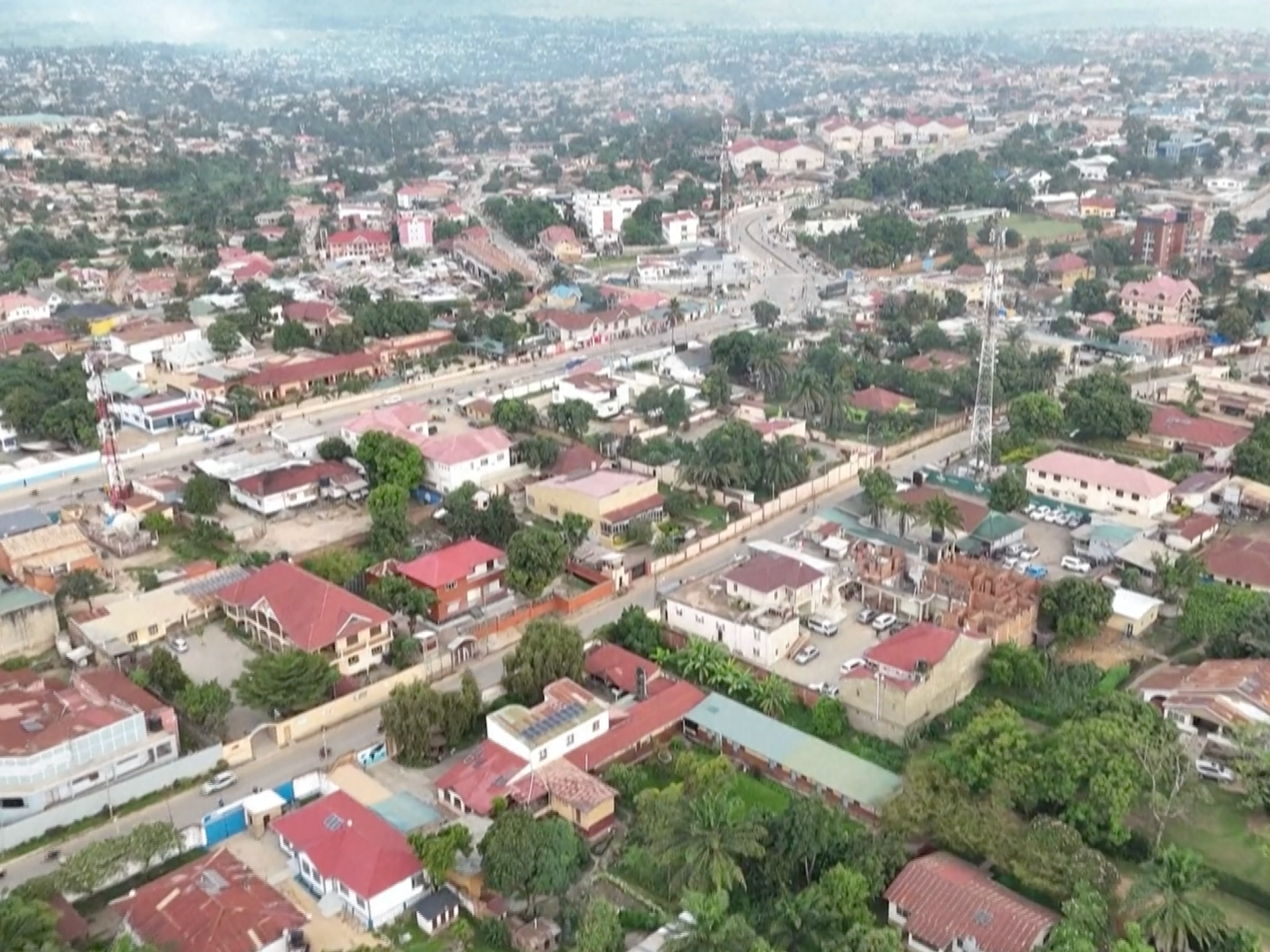

The escalation of the Ebola outbreak in DR Congo’s Ituri province, with 65 confirmed fatalities and 246 suspected cases compounded by a fatality in Kampala, presents significant macroeconomic and strategic headwinds for the MENA region. Sovereign wealth funds (SWFs) across the Gulf Cooperation Council (GCC) may be compelled to reallocate capital reserves, potentially diverting planned investments in diversification and infrastructure towards emergency healthcare preparedness and cross-border containment strategies. This represents a material shift in fiscal priorities at a time when regional economies are navigating post-oil transition volatility, increasing pressure on public health spending and potentially dampening non-oil growth projections.
The outbreak’s cross-border trajectory heightens regional vulnerability, compelling MENA states to reassess venture capital (VC) allocation towards domestic health-tech innovation and epidemiological surveillance capabilities. Venture capital flows into MENA’s burgeoning digital health sector are likely to accelerate, driven by both sovereign-backed funds and private investors seeking opportunities in diagnostics, telemedicine, and supply chain resilience solutions. Simultaneously, the geopolitical risk premium associated with Sub-Saharan African trade routes, critical for GCC food security logistics and African investment portfolios, is set to rise, necessitating defensive portfolio rebalancing and risk mitigation measures within sovereign investment mandates.
Furthermore, the crisis underscores the critical need for enhanced regional infrastructure cohesiveness, particularly in border health surveillance and cargo biosecurity protocols. MENA’s investment in transport and logistics corridors linking Asia, Africa, and Europe now faces renewed scrutiny, with potential capital expenditure delays or re-routing contingent on enhanced health infrastructure integration. This confluence of pressures demands coordinated regional policy responses, leveraging sovereign capital to fortify public health systems and VC capital to catalyze technological resilience, thereby safeguarding MENA’s strategic economic positioning against emergent biological security threats.