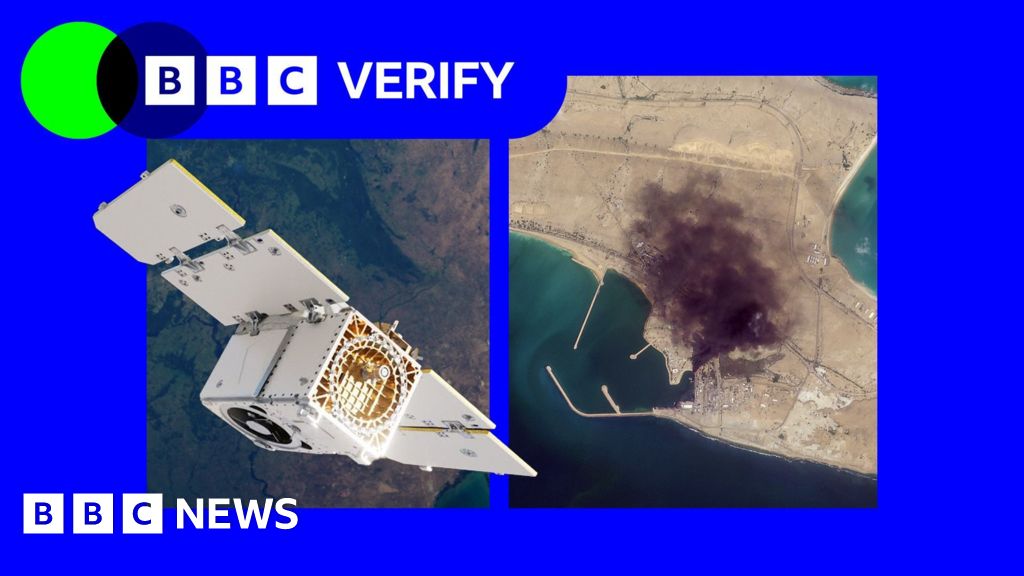

Planet Labs, the U.S.-based satellite imagery provider, has announced an indefinite suspension of commercial coverage over Iran and several adjoining Middle Eastern territories. The move, driven by heightened geopolitical risk and escalating regulatory scrutiny, deprives regional governments, energy firms, and agribusinesses of a critical source of high‑resolution geospatial data that underpins everything from oil field monitoring to precision farming.
For sovereign wealth funds and state‑linked investors, the withdrawal translates into a tangible erosion of operational intelligence that has become integral to the valuation and risk‑assessment of large‑scale infrastructure projects across the Gulf and North Africa. Without Planet’s daily imagery, ministries overseeing water resource management, urban planning, and transport networks will face increased uncertainty, potentially inflating financing costs for multi‑billion‑dollar initiatives underpinned by sovereign capital.
Venture capital firms with portfolios in downstream fintech, logistics, and climate‑tech startups are likely to feel the knock‑on effects. Many of these enterprises embed satellite-derived data into their product stacks for real‑time supply‑chain visibility, climate‑risk modelling, and insurance underwriting. The data gap may force founders to seek alternative, often costlier, sources or to redesign algorithms, thereby extending product development cycles and delaying market entry.
Infrastructure operators, notably in the oil & gas and renewable sectors, will need to reassess their remote‑sensing strategies. The absence of Planet’s near‑daily revisit rates could impair early‑warning systems for pipeline leaks, fault detection in solar farms, and congestion monitoring on critical transport corridors. In the longer term, the episode underscores the vulnerability of the region’s digital‑geospatial supply chain to geopolitical volatility and may prompt sovereign entities to invest in indigenous satellite capabilities to safeguard strategic data flows.