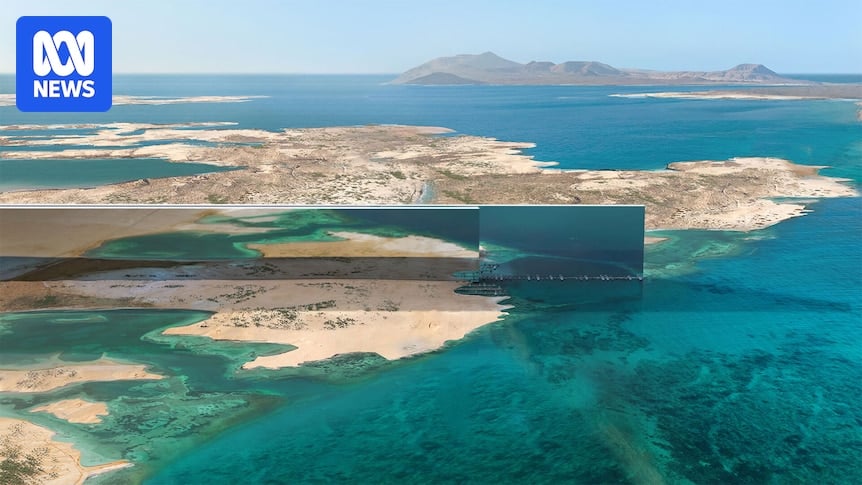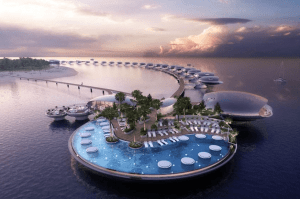

Saudi Arabia’s tourism drive has become the centerpiece of Vision 2030’s diversification agenda, channeling more than $150 billion of sovereign capital from the Public Investment Fund into a suite of mega‑projects that together aim to deliver 150 million visitors by 2030. The Red Sea Project, NEOM, AlUla, Qiddiya and the Aseer nature complex are being built to international standards, with an estimated 10 % contribution to GDP and a direct impact of over SAR 300 billion on the kingdom’s balance of payments. By linking luxury hospitality, renewable‑energy‑powered urban districts and heritage‑focused destinations, the Kingdom is creating a vertically integrated tourism value chain that attracts global operators, multiplies downstream construction spend and secures a new, non‑oil revenue base for the state.
These investments are reshaping the regional financing ecosystem. The scale and scope of the projects have unlocked a pipeline of venture‑capital and private‑equity commitments targeting ancillary services—digital ticketing platforms, AI‑driven visitor analytics, sustainable food‑service models and high‑tech infrastructure providers. Accelerators and sovereign‑backed funds are now courting startups that can plug into the Kingdom’s “smart heritage” initiatives, offering investors exposure to a market projected to generate $30 billion in annual tourism‑related tech spend by 2035. This influx of private capital is complemented by sovereign guarantees that mitigate political risk, making the Kingdom a hub for multinational hotels, entertainment operators and renewable‑energy firms seeking a stable, high‑growth foothold in the Gulf.
Infrastructure upgrades are proceeding at a pace that rivals the world’s most ambitious tourism corridors. New e‑visa regimes, a proposed GCC tourist visa and extensive airport expansions in Riyadh, Jeddah and the new NEOM aerotropolis increase seat capacity by an estimated 25 % annually, while high‑speed rail links and integrated mobility solutions are set to cut travel times between coastal resorts and inland cultural sites. These logistics improvements not only lower entry barriers for the targeted 50 % share of international arrivals but also create a spill‑over effect for regional trade, enabling Saudi Arabia to position itself as a logistics gateway between Africa, Asia and Europe.
The strategic focus on Asian and African source markets further amplifies the macro‑economic impact. Tailored air connectivity, visa facilitation and joint marketing with carriers from China, Indonesia, Nigeria and Kenya are expected to drive a 40 % increase in inbound spend from these regions over the next five years. This, combined with the growth of “pilgrimage‑plus‑leisure” packages, deepens Saudi Arabia’s soft power while opening new channels for labor mobility and skills transfer in hospitality and construction. In sum, the tourism surge is not merely a cultural rebranding; it is a sovereign‑backed engine of diversification that is reshaping the MENA investment landscape, catalyzing private‑sector innovation and redefining the Kingdom’s role in global tourism and infrastructure networks.