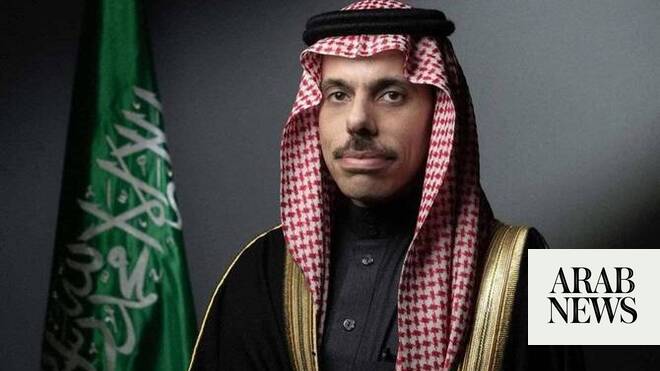

Saudi Arabia’s Foreign Minister Prince Faisal bin Farhan convened high‑level teleconferences with his counterparts from Qatar, Oman and Egypt, signalling a coordinated diplomatic push that could reshape the region’s investment climate. By aligning security agendas, the three Gulf states are laying the groundwork for a more predictable environment that investors—particularly sovereign wealth funds and venture capital houses—require to commit capital to large‑scale infrastructure projects across the MENA corridor.
The trilateral dialogue, held with Qatar’s Sheikh Mohammed bin Abdulrahman bin Jassim Al‑Thani, Oman’s Sayyid Badr bin Hamad bin Hamood Al‑Busaidi, and Egypt’s Badr Abdelatty, is expected to accelerate cross‑border financing mechanisms for energy, logistics and digital infrastructure. A unified security framework reduces the risk premium attached to mega‑projects such as the Red Sea desalination hub and the Gulf Cooperation Council (GCC) high‑speed rail network, thereby unlocking billions of riyals of sovereign capital that have been idle awaiting stable conditions.
For regional venture capital ecosystems, the diplomatic overture translates into a tacit endorsement of start‑up ecosystems that depend on robust supply chains and reliable power. Saudi Arabia’s Vision 2030 agenda, together with Qatar’s burgeoning fintech sector and Egypt’s burgeoning ICT hub, promises a synergistic ecosystem where private equity can scale with state‑backed guarantees. The convergence of policy and security will likely usher in a new wave of fund‑of‑funds structures, leveraging pooled sovereign assets to underwrite risk‑adjusted returns in emerging tech verticals.
Infrastructure developers stand to benefit from streamlined regulatory approvals and shared intelligence on threat mitigation, facilitating faster project execution timelines. As the Gulf states move beyond ad‑hoc diplomatic engagements toward a structured security pact, the expected spill‑over effect will be a more resilient, interconnected MENA economy—positioning the region as a magnet for global investors seeking long‑term, high‑impact opportunities.