
Saudi Arabia’s structural steel market is experiencing a period of robust expansion, directly fueled by the Kingdom’s ambitious Vision 2030 economic transformation and significant infrastructure investment. The market is projected to reach USD 1,000.8 million by 2034, demonstrating a sustained growth trajectory supported by a multi-trillion dollar pipeline of mega-projects encompassing smart cities, logistics hubs, and expansive real estate development. This growth is not merely driven by construction; it’s a strategic pillar of the Kingdom’s economic diversification efforts, attracting substantial sovereign capital and fostering a burgeoning venture capital ecosystem focused on this key sector.
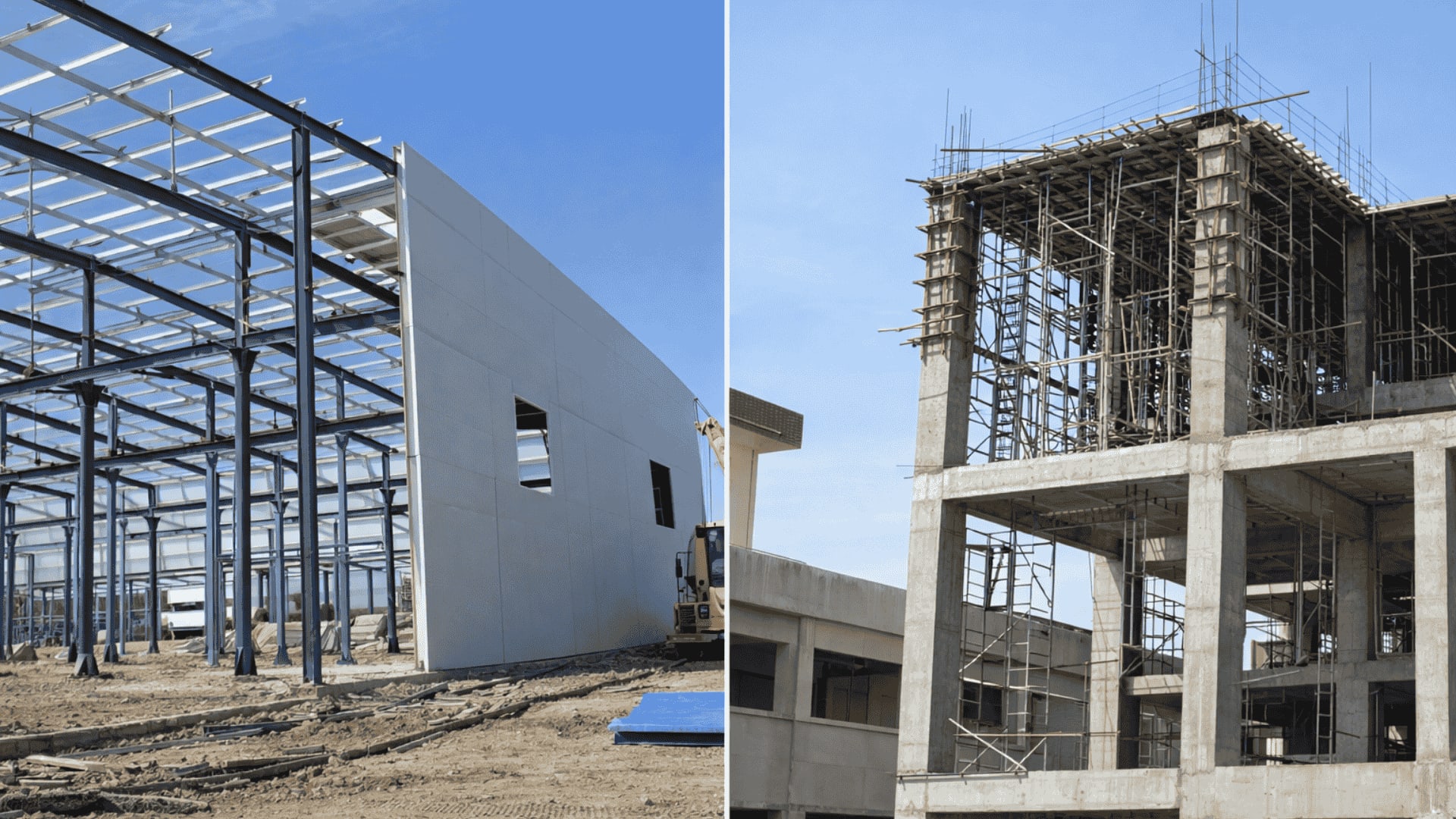
The demand for structural steel is concentrated within the non-residential sector, encompassing commercial buildings, industrial facilities, and logistics zones – a trend underpinned by government-led initiatives. The allocation of over USD 2.66 billion for logistics zone development in 2024, with a target of 59 zones by 2030, highlights the significant role of steel in facilitating the Kingdom’s supply chain ambitions. Beyond sheer construction volume, this expansion necessitates advanced fabrication techniques and prefabrication solutions, aligning with the Kingdom’s drive towards technology-driven manufacturing. Furthermore, the growing emphasis on sustainability is reshaping the market, with domestic steel producers investing in recycling technologies and developing ‘green steel’ products to meet stringent environmental regulations and capitalize on specification-driven contracts.
The Saudi Arabian structural steel market is undergoing a significant localization push, directly influenced by the Ministry of Industry and Mineral Resources. This strategy, coupled with burgeoning sovereign wealth, is attracting both domestic and international investment. Hadeed, the Kingdom’s largest steel producer, is actively expanding its capacity and initiating acquisitions, while global steel giants like Tosyali Holding and Baosteel are increasing their commitments to the region. The adoption of advanced technologies in fabrication – including AI-powered defect detection and automated workflows – further enhances efficiency and quality. This evolution creates a competitive landscape, fostering innovation and ultimately solidifying Saudi Arabia’s position as a key regional steel manufacturing hub.
The future dynamics of the Saudi structural steel market will be shaped by continued infrastructure development, the proliferation of smart city initiatives, and the increasing importance of the renewable energy sector. The government’s net-zero ambitions are driving demand for green steel, while the focus on efficient construction methods encourages prefabrication solutions. With strategic investment in domestic production, advanced technologies, and a commitment to sustainability, Saudi Arabia is well-positioned to capitalize on the substantial growth opportunities within the global steel market, attracting further regional and international capital and establishing a resilient, technologically advanced industrial base. This robust sector represents a crucial component of the Kingdom’s broader economic diversification strategy, with significant implications for regional supply chains and manufacturing capabilities.