
Saudi Arabia’s Vision 2030 has entered a transformative phase as the private sector emerges as the central pillar of economic diversification, with its GDP contribution surpassing 51% in 2025—the target set for the decade. This shift, driven by accelerated privatization, public-private partnerships, and heightened foreign direct investment (FDI) growth, reflects the Kingdom’s strategic pivot from state-led megaprojects to a sustainable, diversified economy. The private sector now accounts for 76% of total investment, eclipsing its initially targeted threshold, while the number of international investors operating in Saudi Arabia has surged tenfold over the past decade. However, a critical question persists: do these investors seek strategic stakes, or merely opportunistic gains from sovereign channels? The answer lies in a refined focus on structural reforms, including expanded property ownership for non-citizens and capital market liberalization, which are poised to deepen institutional involvement and catalyze long-term economic resilience.
Despite this progress, Saudi Arabia’s ambition to attract USD 100 billion in annual FDI by 2030 faces headwinds from muted global investment sentiment and domestic growth constraints, with 2025 inflows registering USD 35.5 billion—a 2.8% GDP share falling short of the USD 12.5 billion annual target. While reforms such as rent freezes and market liberalization have improved competitiveness, the Kingdom must balance immediate economic diversification with sustained structural credibility to bridge this gap. The Public Investment Fund’s (PIF) evolving mandate further underscores this duality, transitioning from a singular focus on “gigaprojects” like Neom to fostering private-sector ecosystems. With its AUM stabilizing at USD 910 billion in 2024, PIF is now prioritizing platforms that unlock opportunity value, trained over 300 Saudi firms for competitive participation, and integrated 200 small-to-medium enterprises (SMEs) into its pipelines. These moves signal a dual commitment: leveraging sovereign capital to amplify private-sector dynamism while mitigating fiscal risks through strategic asset transfers.
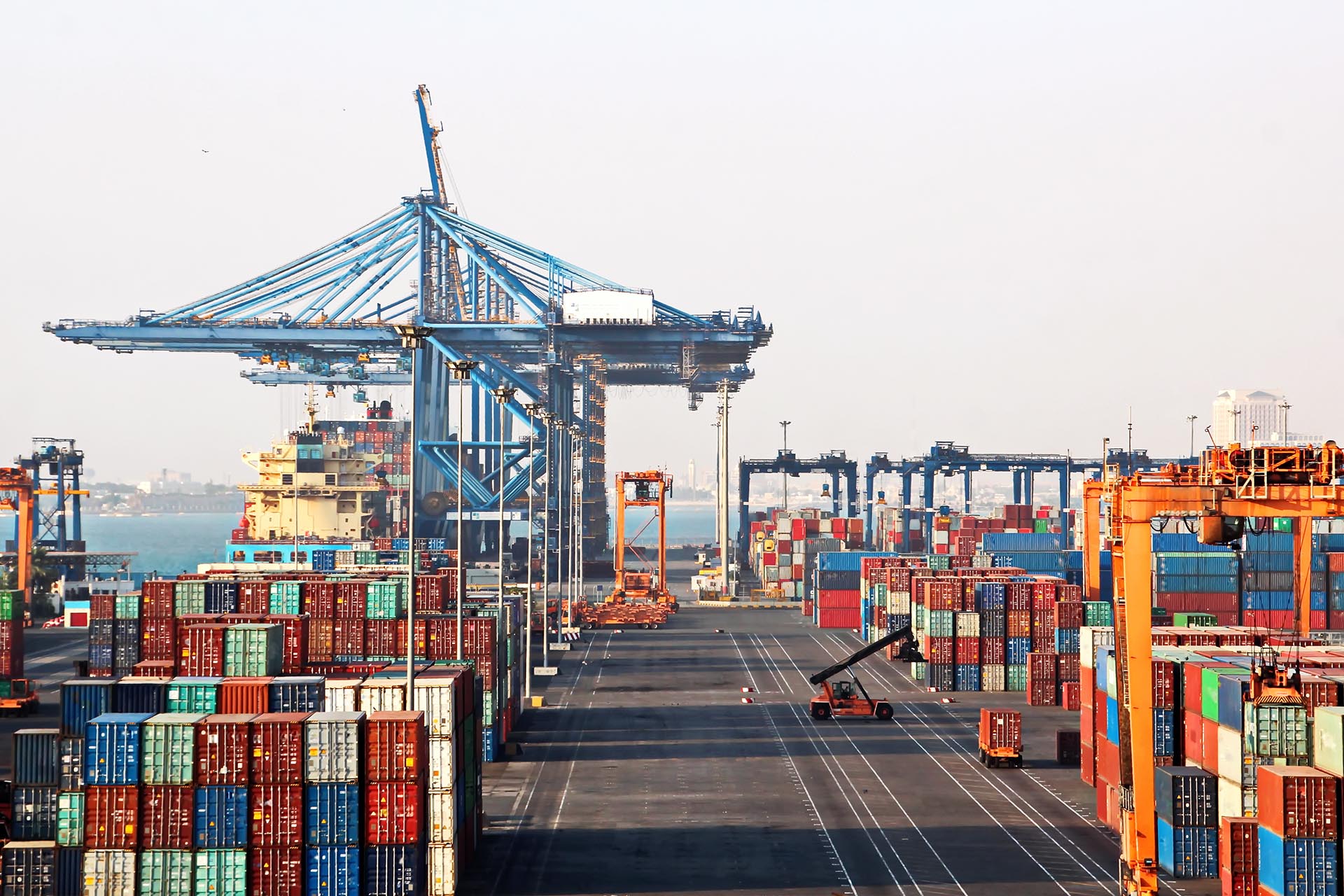
Venture capital’s role in Saudi Arabia’s economic blueprint is intensifying, as PIF’s 10% contribution to non-oil GDP in 2025 highlights the growing symbiosis between sovereign capital and entrepreneurial innovation. The fund’s local content target of 60% in 2025 exemplifies its deliberate direction to root investments in domestic value chains, fostering job creation and spillovers across industries. However, regional infrastructure remains a linchpin for sustaining this momentum. As the third phase of Vision 2030 emphasizes infrastructure modernization and connectivity, private-sector participation in logistics, renewable energy, and smart cities will be critical. Yet challenges persist: aligning public-private partnerships with investor confidence, ensuring regulatory coherence, and addressing environmental, social, and governance (ESG) expectations. The Kingdom’s success hinges on its ability to orchestrate sovereign funds as catalysts—forging public-private alliances that transcend symbolic FDI metrics to redefine the region’s economic trajectory.