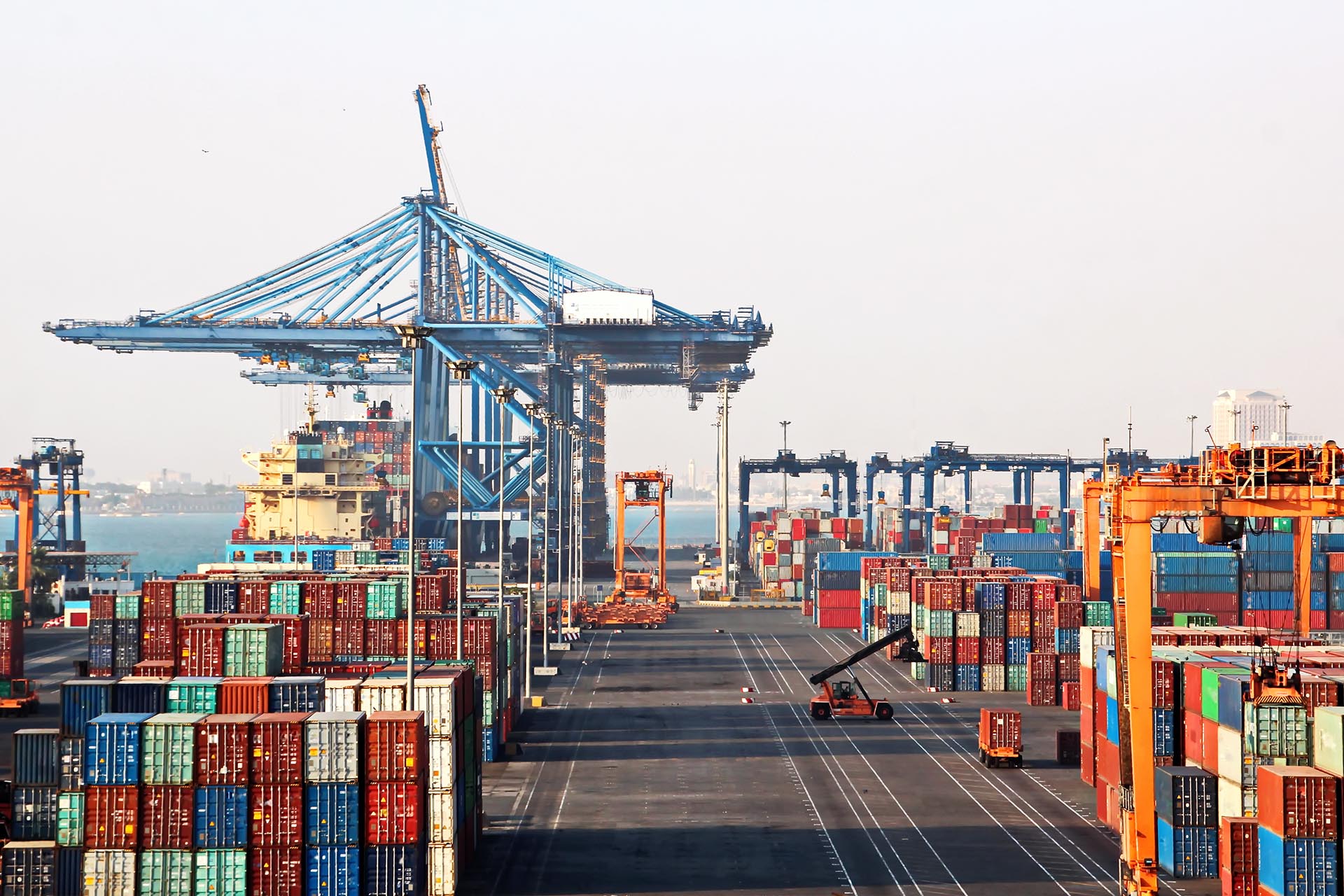

The Islamic Revolutionary Guard Corps (IRGC) Naval Command’s seizure of the Greek-owned bulk carrier Epaminondas and Panama-flagged container vessel MSC Francesca in the Strait of Hormuz this week marks the latest escalation in maritime security risks that directly undercut MENA sovereigns’ $1.4tn cumulative infrastructure spend to position the region as a global trade and logistics hub. The Strait handles 21% of global petroleum liquids trade and 30% of container traffic bound for Gulf Cooperation Council (GCC) markets, making any disruption a direct hit to the operational viability of flagship projects including Saudi Arabia’s King Salman International Airport, the UAE’s Jebel Ali Port expansion, and Oman’s Duqm Special Economic Zone, all backed by sovereign capital from the Public Investment Fund (PIF), Mubadala Investment Company, and the Oman Investment Authority.
Immediate financial fallout will be borne first by regional sovereign-backed port operators and shipping lines, with short-term war risk insurance premiums for Gulf-bound vessels up 18% week-on-week following the seizures, per Lloyd’s List data, while spot container rates on Asia-GCC lanes have ticked 7% higher as carriers factor in diversion costs. Greek-owned tonnage accounts for 42% of dry bulk shipments into MENA markets and 28% of containerized imports, meaning the detention of the Epaminondas disrupts critical supply chains for sovereign-funded industrial clusters including Saudi’s NEOM and the UAE’s KEZAD, where billions in VC and institutional capital are committed to manufacturing and green energy ventures. Sovereign wealth funds with exposure to global shipping assets, including Qatar Investment Authority’s 20% stake in Hapag-Lloyd and ADQ’s majority holding in AD Ports Group, now face heightened pressure to renegotiate risk-sharing agreements with global liner operators to prevent cargo diversion to competing hubs in East Africa and South Asia.
The MENA venture capital ecosystem, which allocated $3.1bn to logistics, supply chain, and maritime technology startups in 2023, will see a bifurcated impact: early-stage startups developing parametric insurance, real-time vessel tracking, and trade finance blockchain solutions can expect accelerated term sheets from sovereign-backed VC vehicles including PIF’s Sanabil Investments and ADQ’s DisruptAD, as regional policymakers rush to de-risk trade flows. Later-stage startups with exposure to cross-border container trade, including Dubai-based logistics platform Trukkr and Saudi maritime insurtech Marekt, may face tighter liquidity as limited partners in regional VC funds, many of whom are sovereign wealth funds, temporarily pare risk appetite for assets correlated with Gulf maritime security volatility. The seizure of the MSC Francesca, operated by the world’s largest container line and a key concession partner for port authorities in Saudi Arabia, Egypt, and the UAE, also introduces unpriced counterparty risk for public-private partnerships that account for 60% of active maritime infrastructure projects across the region.
Longer-term, repeated maritime seizures risk eroding the risk premium advantage that has drawn $240bn in foreign direct investment to MENA logistics and infrastructure since 2020, per IMF data, forcing sovereigns to redirect capital from growth-oriented port and rail projects to security-adjacent spending, including coastal surveillance tech and joint naval patrols. This would crowd out VC allocation to core innovation sectors including fintech and climate tech, as sovereign LPs reprioritize defensive spending over high-growth venture bets, delaying the region’s target of capturing 5% of global container trade by 2030.