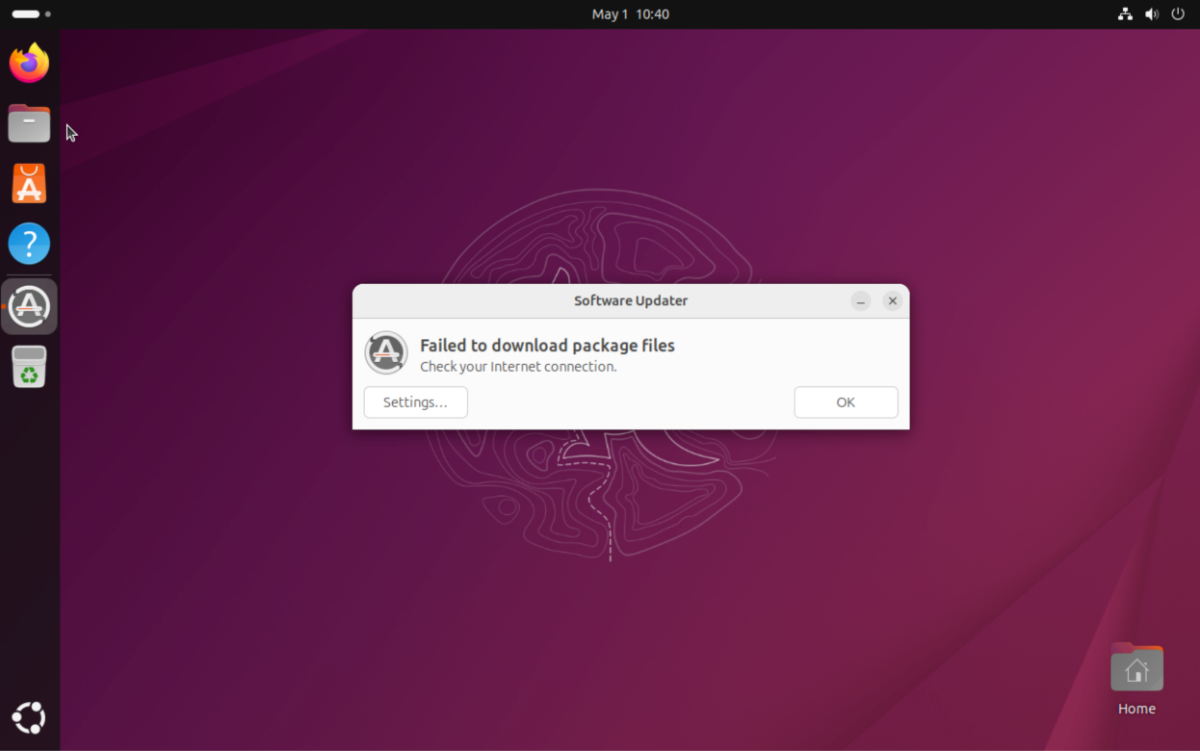

The sustained distributed denial-of-service assault on Canonical’s Ubuntu infrastructure represents more than a technical disruption—it exposes critical vulnerabilities in the digital foundations underpinning emerging technology ecosystems across the Middle East and North Africa. As governments from Saudi Arabia to the UAE accelerate their digital transformation agendas through sovereign wealth fund investments in technology infrastructure, this incident underscores the material risk that cyber volatility poses to multi-billion-dollar technology modernization programs. With Gulf sovereign capital pools increasingly direct funding into open-source technology initiatives as alternatives to Western-dependent software stacks, the reliability of foundational platforms like Ubuntu becomes a strategic consideration rather than merely a technical one.
The incident carries particular significance for MENA’s venture capital ecosystem, where infrastructure software investments have surged 340% since 2020 according to regional VC data. Early-stage technology funds across Dubai, Riyadh, and Casablanca have allocated substantial capital to developer tooling and cloud infrastructure plays, many of which depend on Ubuntu’s package repositories and security APIs for their foundational architecture. The disruption to Ubuntu’s update mechanisms and security infrastructure creates immediate operational friction for portfolio companies while potentially undermining confidence among limited partners who are simultaneously grappling with cybersecurity exposure metrics across their own technology stacks. This risk concentration is magnified by the fact that several prominent MENA technology unicorns utilize Ubuntu-based infrastructure in their core operations.
From a regional infrastructure perspective, the attack illuminates the systemic dependencies that emerging MENA markets have built into global open-source supply chains. Countries investing heavily in artificial intelligence, cryptocurrency mining, and edge computing infrastructure—from Egypt’s new administrative capital to Oman’s digital sovereignty initiatives—are increasingly reliant on Linux-based distributions for their cost-effective scalability. However, the cross-border nature of this particular attack, attributed to Iraqi hacktivists leveraging DDoS-for-hire services, demonstrates how geopolitical tensions can cascade through seemingly apolitical technology infrastructure. For sovereign wealth funds managing $2.4 trillion in assets across the region, such supply chain vulnerabilities necessitate more sophisticated risk assessment frameworks that account for both direct cyber exposure and indirect operational disruption through third-party dependencies.
The persistence of low-sophistication DDoS-for-hire attacks as a viable threat vector—particularly those exceeding 3.5 Tbps capacity—signals a fundamental gap in the cybersecurity posture supporting MENA’s rapid digitization. Regional technology governance frameworks, including Saudi Arabia’s National Cybersecurity Authority protocols and the UAE’s national attack surface management initiatives, must evolve to address infrastructure risks beyond their immediate borders. As this incident demonstrates, the interconnected nature of modern software development means that attacks on foundational platforms can reverberate through entire innovation ecosystems, affecting everything from government digital services to private sector cloud deployments. For institutional investors evaluating MENA technology opportunities, such episodes underscore the necessity of incorporating cyber-incident resilience as a core valuation metric alongside traditional growth and market positioning factors.