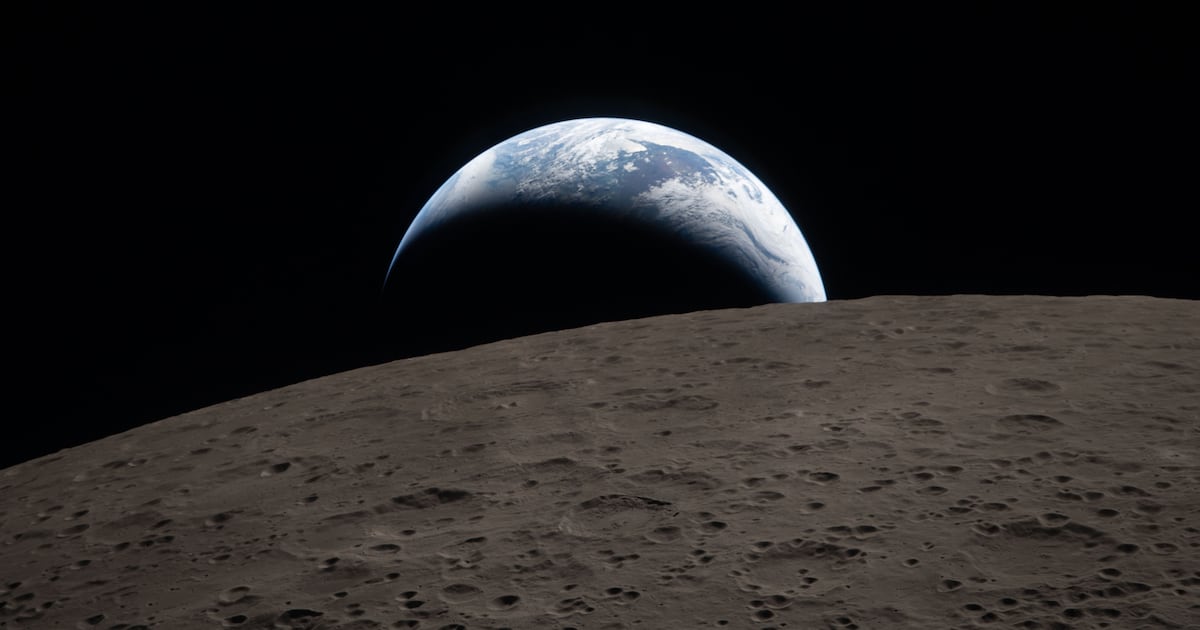

The accelerating pace of space exploration, particularly within the Middle East, is prompting a critical reassessment of priorities – not as a diversion from terrestrial challenges, but as a vital lens through which to understand and address them. Recent initiatives, such as the UAE’s Emirates Mars Mission and ongoing lunar research at NYU Abu Dhabi, demonstrate a strategic shift towards leveraging space technology for tangible benefits on Earth, impacting sovereign capital allocation, venture capital investment, and regional infrastructure development.
The inherent fragility of Earth’s environment, highlighted by the ongoing study of planetary loss – exemplified by Mars’s atmospheric erosion – underscores the imperative for proactive, rather than reactive, resource management. Technologies developed to ensure crew survival and operational resilience in extreme space environments – radiation shielding, closed-loop life support systems, and autonomous power generation – are increasingly applicable to addressing critical challenges within the MENA region. This includes bolstering water scarcity solutions, enhancing energy efficiency in remote communities, and developing robust infrastructure for disaster response. Sovereign wealth funds, traditionally focused on global diversification, are increasingly recognizing the potential for strategic investment in space-derived technologies, viewing them not merely as a scientific endeavor, but as a key component of long-term national security and economic resilience.
Furthermore, the burgeoning space sector is attracting significant venture capital interest across the region. Startups focused on satellite communications, geospatial analytics, and advanced materials – all areas directly informed by space research – are receiving increasing funding, fostering a dynamic ecosystem of innovation. The UAE’s commitment to lunar exploration, coupled with the development of the Emirates Lunar Simulant, is creating a unique testing ground for these technologies, accelerating their deployment and demonstrating their value proposition. This trend is likely to intensify as regional governments prioritize the development of a domestic space industry, creating new jobs and driving economic diversification beyond traditional hydrocarbon sectors.
Ultimately, the pursuit of knowledge beyond Earth compels a deeper appreciation for the unique conditions that sustain life on our own planet. The lessons gleaned from studying planetary evolution and the challenges of maintaining habitability – as exemplified by Mars’s lost atmosphere – reinforce the need for sustainable practices and responsible stewardship of Earth’s resources. The MENA region, with its arid climate and limited water resources, is particularly positioned to benefit from this paradigm shift, leveraging space-derived technologies and a renewed focus on environmental resilience to secure a more sustainable future.