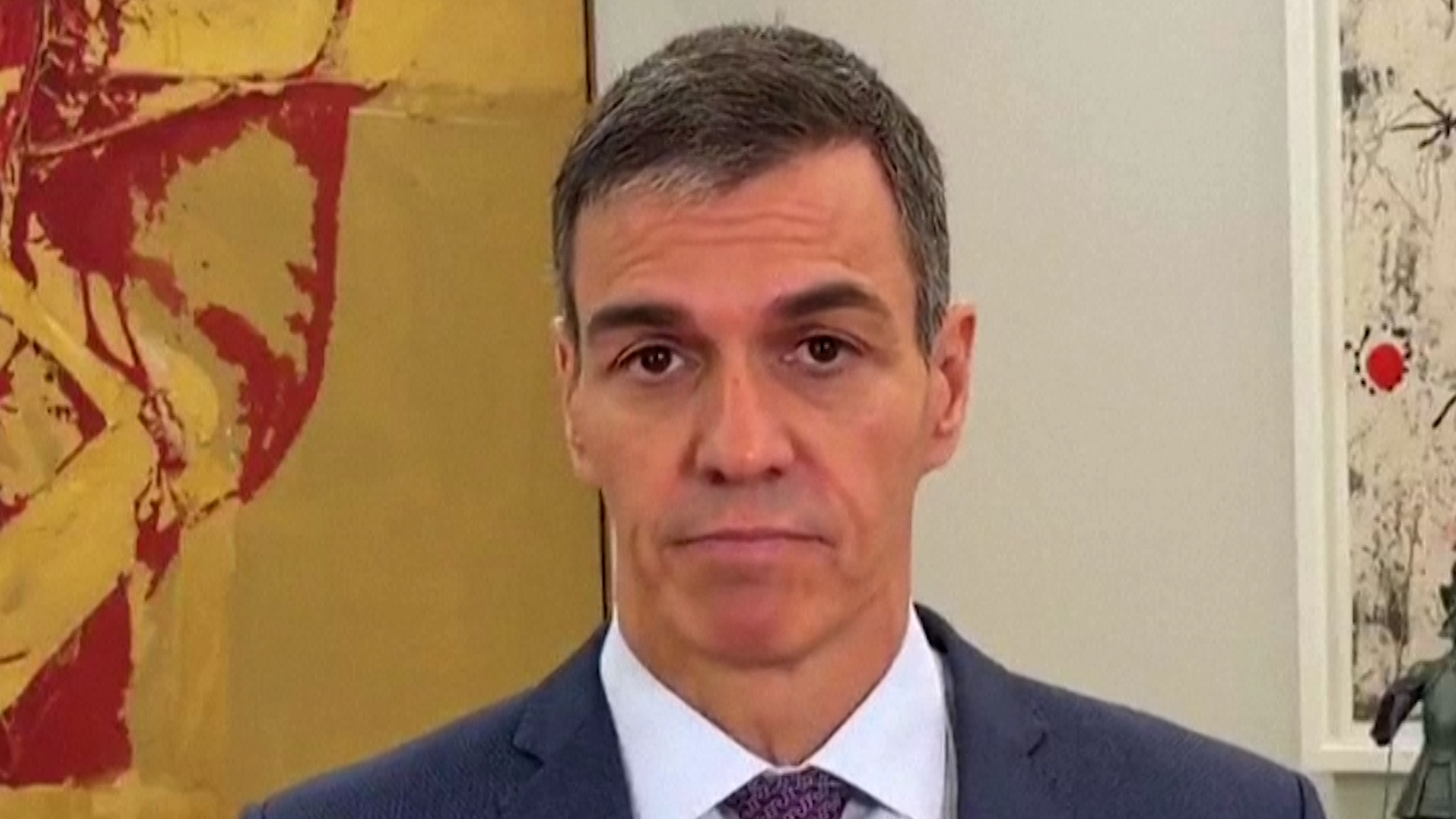

The Spanish Prime Minister’s defense of the Eurovision boycott underscores a broader geopolitical recalibration with direct implications for the Middle East and North Africa (MENA) region’s economic and technological ecosystems. Spain’s stance, framed within escalating tensions over Israel’s actions in Gaza and Lebanon, risks exacerbatingcertainties that could deter multinational corporate investments and disrupt trade flows within MENA. Countries in the region that maintain strategic ties to Israel or are peripherally affected by the conflict—such as Lebanon or Gulf states with significant energy partnerships—may face heightened scrutiny of their diplomatic and economic alignments. For instance, sovereign entities financing infrastructure projects or tech ventures involving Spanish partners could reassess exposure, prioritizing diversification into more politically neutral or partnered markets. This environment may also catalyze a shift in regional supply chains, as businesses and investors seek to mitigate reputational or operational risks tied to Western nations adopting hardline positions. The irony of Spain’s policy lies in its potential to accelerate MENA’s internal realignment toward intra-regional partnerships, particularly among Gulf states and North African countries seeking to hedge against external volatility.
The specter of Spain’s boycott could significantly impact sovereign capital flows and venture capital dynamics in MENA. Sovereign wealth funds from Gulf states or North Africa, which have historically engaged with European markets, may delay or reevaluate commitments involving Spanish entities, particularly in sectors sensitive to geopolitical friction like energy or defense technology. Conversely, the boycott might attract alternative inflows of sovereign capital toward MENA, with countries like Morocco or Tunisia leveraging reduced Western scrutiny to attract investments in green energy or fintech hubs. Venture capital activity in the region could similarly face a bifurcation: while Western VCs reinvesting in MENA startups may hesitate due to reputational or regulatory risks in Spain, local and pan-Asian VCs could seize the opportunity to target MENA-based ventures focused on resilience, AI, or blockchain solutions. However, this bifurcation might deepen Algeria’s structural challenges, where political volatility already constrains capital efficiency. The net effect hinges on MENA governments’ ability to convert this geopolitical moment into a narrative of self-reliance, a task requiring coordinated diplomatic messaging to counter fragmentation.
Regional infrastructure projects, particularly those reliant on cross-border investment or advanced technology deployment, face acute vulnerability amid this shifting rhetoric. Spain’s participation in Mediterranean-focused initiatives—such as renewable energy grids or Mediterranean tech incubators—could stall if partners perceive the boycott as a proxy for broader sanctions or boycotts. For example, joint ventures in Spain’s renewable energy sector may lose momentum if competitors in the Gulf or North Africa offer more politically insulated opportunities. Similarly, MENA’s burgeoning digital infrastructure, such as undersea cable networks or cloud data centers, might face compliance challenges if international partners distance themselves from Spain-linked projects. These risks necessitate accelerated localization of infrastructure plans, with countries like Saudi Arabia or Egypt possibly scaling back reliance on Western partners for critical tech upgrades. In the long term, Spain’s emblematic stance could serve as a catalyst for MENA’s push toward sovereign infrastructure development, reducing dependency on external entities while reinforcing regional tech sovereignty through localized innovation ecosystems.