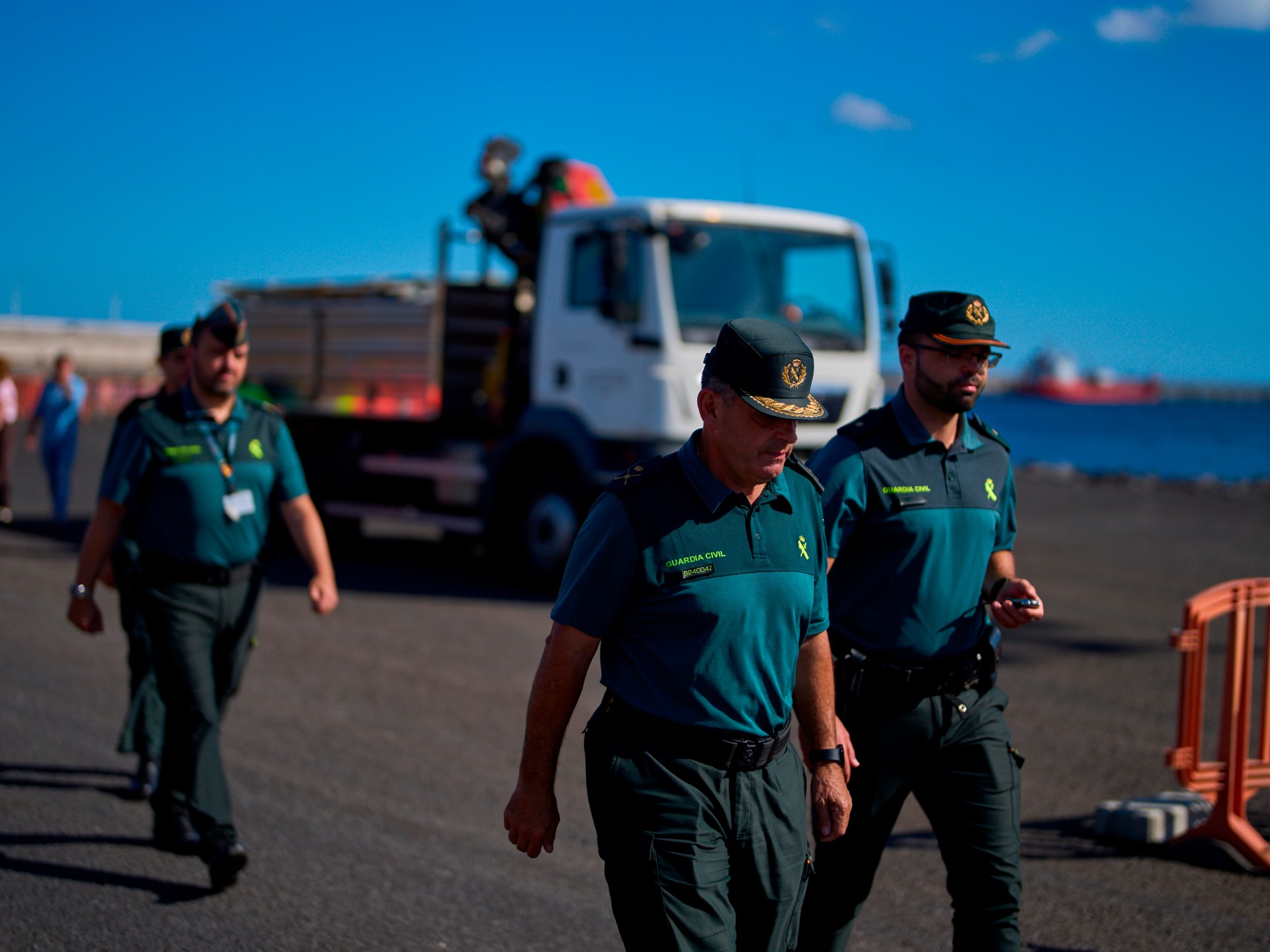

The MV Hondius incident underscores how health‑related disruptions can quickly become a test of sovereign resilience and regional crisis‑management infrastructure. Spain’s swift deployment of a cordoned‑off isolation hub in Tenerife, backed by the World Health Organization, signals to MENA governments that proactive state‑led logistics—air‑side isolation zones, dedicated medical berthing facilities and rapid repatriation fleets—are now essential components of tourism‑dependent economies. For the Gulf and North‑African states, whose own cruise and hospitality sectors represent multi‑billion‑dollar growth vectors, the episode highlights the need for private‑public partnerships to fund scalable quarantine infrastructure that can be activated without derailing seasonal cash flows.
From a sovereign‑capital perspective, the episode will likely prompt a re‑evaluation of risk‑adjusted pricing on sovereign bonds linked to tourism and travel‑related revenues. Investors are expected to demand higher spreads for Iberian‑linked issuances until transparent contingency frameworks are demonstrably in place. In the MENA region, sovereign wealth funds—particularly those in Saudi Arabia, the UAE and Qatar—are poised to diversify into health‑security assets, ranging from mobile isolation units to AI‑driven disease‑tracking platforms, thereby insulating their portfolios from similar epidemiological shocks.
Venture capital activity is already reacting. Seed‑stage startups across the Gulf are accelerating fundraising rounds for technologies that enable remote health monitoring, rapid pathogen detection, and contact‑less passenger flow management. The Hondius case provides a tangible market validation for firms offering modular quarantine pods and blockchain‑based traveler verification, sectors that could attract upwards of $500 million in regional VC over the next 18 months as governments allocate emergency procurement budgets.
Finally, the incident will pressure regional transport authorities to upgrade port and airport infrastructure to meet heightened bio‑security standards. Investments in dedicated de‑contamination docks, negative‑pressure terminals and integrated health‑screening data pipelines are likely to become prerequisites for securing international cruise itineraries. For the broader MENA logistics ecosystem, this translates into a wave of public‑sector capital calls, tender opportunities for engineering consortia, and a recalibration of the region’s strategic positioning as a safe gateway for global tourism post‑pandemic.