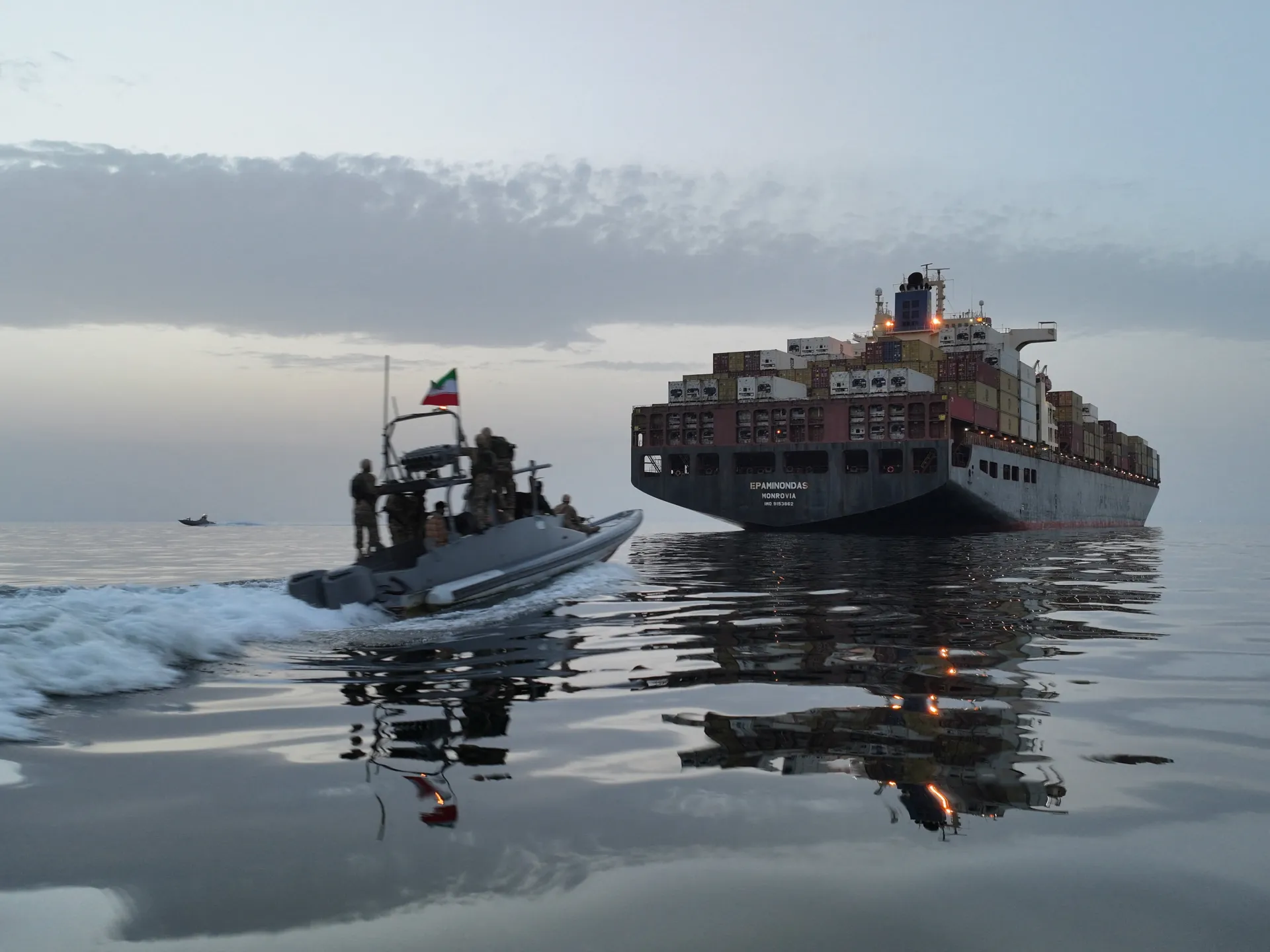

The escalating U.S.-Israeli military confrontation with Iran, now in its sixth week, has become a pivotal crisis for Middle East and North Africa (MENA) economies, with far-reaching implications for sovereign capital, regional infrastructure, and global supply chains. Tehran’s closure of the Strait of Hormuz—a critical artery for 20% of global oil and gas exports—has precipitated a commodity price shock, elevating Brent crude to $111.85 and WTI to $100.09 per barrel, levels unseen since 2022. This escalation forces MENA sovereign wealth funds, already strained by U.S. Treasury-rate volatility and a shifting global energy transition, to reassess their strategic priorities. Countries reliant on hydrocarbon revenues face a dual challenge: mitigating immediate fiscal pressures while accelerating diversification into renewable energy and alternative revenue streams to insulate against geopolitical volatility.
The business impact of this conflict reverberates across MENA’s real economy, compounding inflationary pressures and disrupting supply chains. Patchy global production disruptions, exacerbated by Houthi attacks in the Red Sea and retaliatory sanctions, have already strained industries dependent on Japanese and German machinery exports, critical for MENA’s infrastructure and manufacturing sectors. For instance, rising fertilizer costs threaten food security in nations like Egypt, where staple crop yields are rain-fed and vulnerable to input price shocks. Meanwhile, the UAE’s recent departure from OPEC+ underscores a strategic pivot toward independent production policies, prioritizing market share retention over cartel discipline—a move that aligns with regional efforts to reduce GCC dependence on volatile crude pricing mechanisms. Yet this shift is hamstrung by the enduring logistical bottleneck of Hormuz, prolonging high inflationary expectations embedded in central bank forecasts.
Venture capital activity in MENA has decelerated amid heightened risk premiums, with early-stage startups receding from investor focus. However, select opportunities persist in green technology, logistics digitization, and maritime security—a sector where MENA’s tech ecosystems could emerge as enablers of resilience. Private equity-backed infrastructure projects, such as Saudi Arabia’s Neom-linked port expansions or Morocco’s phosphates-to-ammonia projects, are gaining traction as sovereign capital reallocates from immediate conflict mitigation to long-term de-risking. These initiatives reflect a broader regional consensus that the Horn of Africa’s instability will normalize slowly, prolonging the need for strategic alternatives to direct Gulf transit. Concurrently, the conflict amplifies MENA’s underdeveloped sovereign bond markets, where liquidity crunches and inflation-linked default risks deter foreign investment, further isolating local capital markets from global reinvestment cycles.
The infrastructure implications of this protracted crisis necessitate urgent rethinking of MENA’s maritime and energy logistics architecture. Gulf states are accelerating investments in floating liquefied natural gas (FLNG) platforms and trans-Saharan gas pipelines to circumvent Hormuz dependency, while Syria’s fractured upstream sector highlights the fragility of state-controlled energy regimes in conflict zones. Simultaneously, sovereign wealth funds are increasing equity stakes in Euro-Asian LNG terminals and green hydrogen hubs to offset narrow exposure to Persian Gulf chokepoints. For venture capital, the MENA region’s unresolved connectivity challenges—exacerbated by the conflict—emphasize the urgency of public-private partnerships in smart logistics networks and last-mile infrastructure. Without such reforms, the region risks exacerbating its sovereign debt vulnerabilities amid a decade of conflict-driven depreciation in investment adequacy, underscoring MENA’s protracted struggle to balance geopolitical survival with structural economic transformation.