
The recent seizure of an Iranian-flagged container ship by United States forces in the northern Arabian Sea represents a significant escalation in maritime security dynamics, with direct implications for regional trade and energy markets. This action, executed near the Strait of Hormuz as part of a broader naval blockade of Iranian ports, underscores a tangible hardening of U.S. enforcement posture. The move is not merely a tactical interception but a calculated signal of sovereign intent, aiming to disrupt Tehran’s capacity to leverage its energy exports and maritime access in a period of heightened geopolitical friction.
The strategic and financial ramifications for the region are profound, particularly concerning sovereign capital flows and regional infrastructure stability. The Strait of Hormuz remains a critical artery, channeling a significant portion of global energy supplies; any sustained disruption directly impacts sovereign wealth funds and long-term fiscal planning across the Gulf Cooperation Council (GCC) states. Concurrently, the viability of large-scale infrastructure projects, dependent on reliable energy prices and stable shipping lanes, faces increased downside risk. Venture capital and private equity allocations into regional logistics, digital trade infrastructure, and energy technology are likely to adopt a more cautious stance, factoring in elevated geopolitical premiums and the potential for operational interruptions.
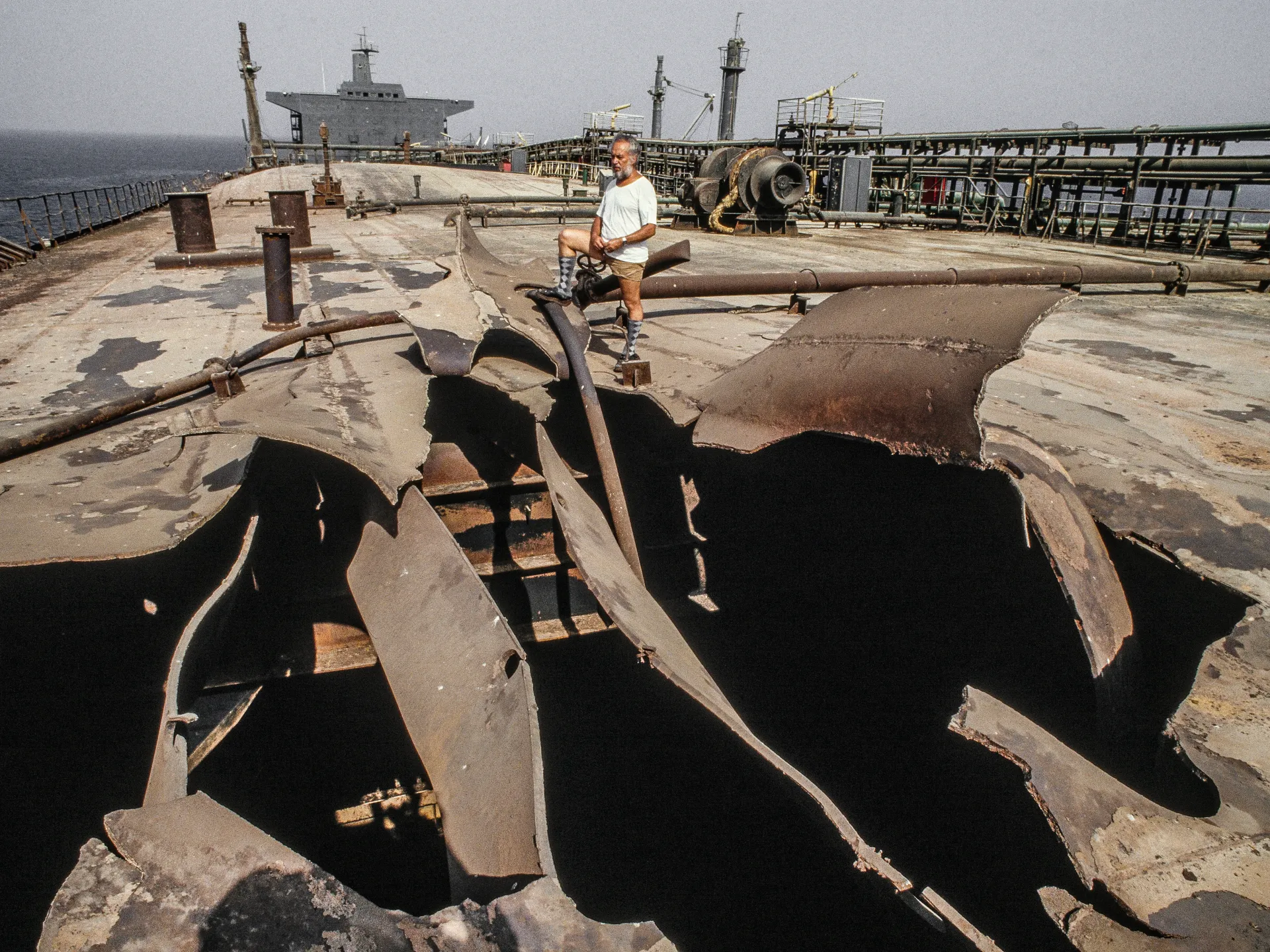
This incident also recalibrates risk assessments for international investors and highlights the evolving nature of maritime enforcement. The shift from the overt naval confrontations of the 1980s to targeted interdictions of specific sanctioned entities reflects a more complex enforcement environment. For the MENA region, this necessitates a strategic recalibration where sovereign capital must increasingly hedge against supply chain volatility and invest in robust digital tracking and compliance mechanisms. The long-term consequence is a potential reconfiguration of trade routes and a sustained upward pressure on insurance and logistics costs, demanding a more resilient and adaptive approach to regional infrastructure development and capital allocation.