
The convergence of Middle Eastern sovereign capital with Asia’s most ambitious innovation ecosystems is set to accelerate at SusHi Tech Tokyo 2026, where Gulf-based investors will increasingly seek strategic footholds in the region’s most advanced technology verticals. With sovereign wealth funds from Saudi Arabia, the UAE, and Qatar collectively managing over $4 trillion in assets, the three-day conference at Tokyo Big Sight represents a critical opportunity for deployment into robotics, artificial intelligence, and climate resilience technologies that align with national diversification agendas.
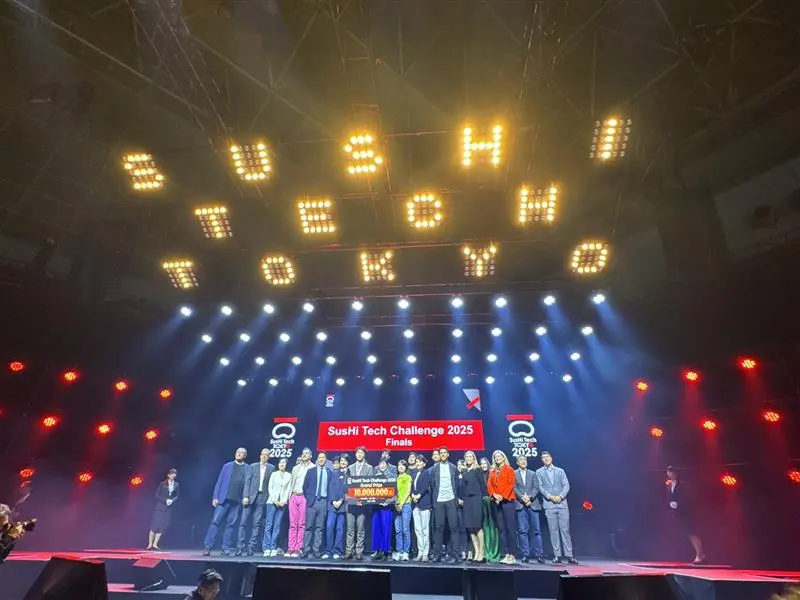
The strategic calculus for MENA capital has shifted decisively toward Asia-Pacific technology partnerships. Saudi Arabia’s Public Investment Fund and Abu Dhabi’s Mubadala Investment Company have both signaled intensified interest in Japanese and broader Asian advanced manufacturing and AI capabilities, viewing these as complementary to their domestic infrastructure modernization programs. The SusHi Tech Challenge, which received 820 applications from 60 countries, offers a curated pipeline of emerging technology ventures that Gulf sovereign vehicles can evaluate for direct investment or venture arm allocation. The automatic entry of the Grand Prix winner into TechCrunch Disrupt’s Startup Battlefield Top 200 further elevates the deal flow visibility for institutional investors seeking exposure to next-generation ventures.
Regional infrastructure implications extend beyond capital allocation. As Gulf states pursue ambitious urban sustainability targets under initiatives such as Saudi Arabia’s NEOM and the UAE’s smart city frameworks, the technological solutions showcased at SusHi Tech Tokyo—particularly in autonomous systems, cyber defense, and climate technology—hold direct applicability to MENA infrastructure pipelines. The presence of 62 corporate partners including Sony, Google, Microsoft, and Mizuho hosting reverse pitch sessions creates direct engagement channels for Gulf entities seeking technology transfer arrangements. The G-NETS Leaders Summit, convening city officials from 49 municipalities across five continents, further provides a diplomatic and commercial platform for MENA urban planners to benchmark Tokyo’s sustainable city innovations against their own development trajectories.
The institutional significance of this convergence cannot be understated. MENA venture capital activity, which topped $4 billion in 2024 according to regional trackers, increasingly depends on cross-border deal flow to diversify portfolios beyond domestic consumer tech plays. Japanese corporations, historically cautious with venture-stage exposure, are now actively seeking startup collaborators—a shift that creates natural partnership opportunities for Gulf capital acting as a bridge. With approximately 60% of SusHi Tech speakers originating from outside Japan and roughly half being women, the conference also reflects the diversity imperatives that Gulf investment vehicles increasingly prioritize in their environmental, social, and governance frameworks. For MENA financial institutions and sovereign vehicles, the Tokyo gathering represents not merely another conference calendar entry but a strategic calibration point in the broader reconfiguration of capital flows between the Gulf and Asia-Pacific innovation economies.