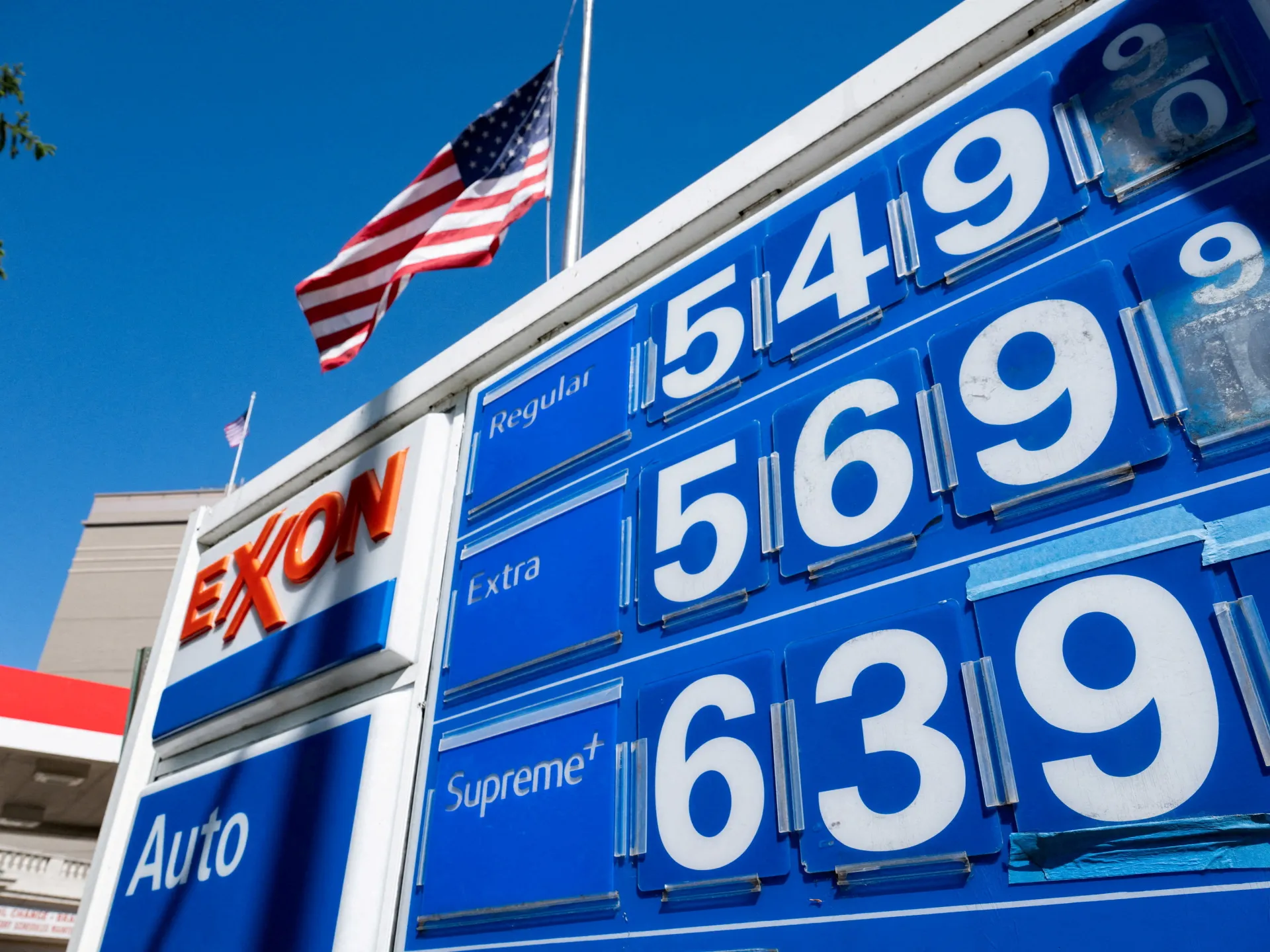

Senator Josh Hawley announced Monday that he will introduce legislation to suspend the federal gasoline tax in response to President Trump’s ultimatum to lower petrol prices amid the deteriorating cease‑fire situation in the Middle East. The measure would temporarily eliminate the 18‑cent federal excise tax that has been a key revenue source for U.S. roadway infrastructure, a $2.5 bn‑plus stream that could be redirected to meet the rising cost of fuel. If passed, the bill would provide immediate relief at the pump for consumers and could alter the cost structure of transportation networks across the United States.
For the MENA region, the U.S. announcement underscores the sensitivity of global energy markets to geopolitical developments. Rising Brent and WTI prices driven by Iranian‑Israeli tensions are already distorting demand curves and inflating export revenues for Gulf oil producers. A temporary U.S. tax cut may intensify this rally, enlarging the spread between production costs and market prices that fuel sovereign wealth fund allocations. Gulf states that are reliant on the tax‑boosted export premium may see their capital budgets adjusted to compensate for the more volatile income stream.
From a venture‑capital perspective, the decision could spur an influx of investment into alternative energy and infrastructure financing in the region. The comparative advantage of MENA countries in renewables and green hydrogen could attract capital as policymakers anticipate higher oil price volatility. Simultaneously, U.S. corporate restructuring around fuel‑cost mitigation could prompt private‑sector funds to focus on fleet‑management tech, fuel‑efficiency solutions, and supply‑chain resilience projects across North Africa and the Levant.
Infrastructure implications are equally significant for MENA. Governments that incorporate a significant share of their transport budgets through petroleum excise revenues may need to reassess long‑term financing models. The prospect of a U.S. gasoline tax shortfall could lead to a realignment of national infrastructure lending strategies, favouring debt instruments linked to commodity price hedges or public‑private partnerships. In sum, Washington’s move reverberates through sovereign capital strategies, venture‑capital flows, and the wider infrastructure landscape of the Middle East and North Africa, demanding swift, coordinated policy responses from the region’s key stakeholders.