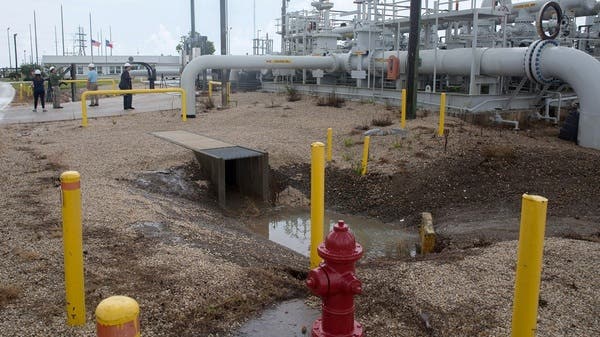

The United States has initiated a second tranche of loans from its Strategic Petroleum Reserve (SPR), releasing an additional 8.48 million barrels to four major oil companies – Gunvor USA, Phillips 66, Trafigura Trading, and Macquarie Commodities Trading. This action, a continuation of a broader effort to mitigate elevated fuel prices stemming from geopolitical tensions in the Middle East, particularly the conflict involving Iran, carries significant implications for the regional energy landscape and broader global markets. The US Department of Energy (DOE) employs a loan mechanism, requiring repayment with a premium, positioning this as a market stabilization tool rather than a direct taxpayer subsidy.
From a business perspective, the SPR releases provide crucial liquidity to oil companies navigating volatile market conditions. This influx of readily available crude oil can alleviate supply constraints and potentially moderate price spikes, impacting refining margins and overall profitability. This is particularly relevant for companies with substantial operations within the MENA region, where price fluctuations directly affect investment decisions in exploration, production, and infrastructure development. The willingness of major trading houses like Trafigura and Macquarie to participate underscores the scale and potential impact of these releases on global oil flows.
The implications for sovereign capital and venture capital in the MENA region are multifaceted. While the SPR releases offer a temporary buffer against price volatility, they also highlight the ongoing vulnerability of regional economies to external geopolitical shocks. Sovereign wealth funds in the region may reassess their hedging strategies and consider increased investment in domestic energy infrastructure to enhance resilience. Simultaneously, the volatile market dynamics could create investment opportunities for venture capital firms in renewable energy and energy efficiency technologies, as long-term investors seek to diversify away from fossil fuel price risk. However, the immediate impact remains focused on managing the current price pressure.
The SPR releases also have indirect but important implications for regional infrastructure. By helping to stabilize global oil prices, the US action can contribute to more predictable energy costs for MENA nations, facilitating long-term planning for infrastructure projects – including upgrades to refining capacity, port facilities, and transportation networks. However, the sustained impact on infrastructure development will largely depend on the duration and intensity of geopolitical instability. The broader context of the International Energy Agency’s coordinated release of 400 million barrels with 32 nations underscores a collective effort to address market imbalances, a development that will continue to shape regional and global energy investment flows and infrastructure priorities.