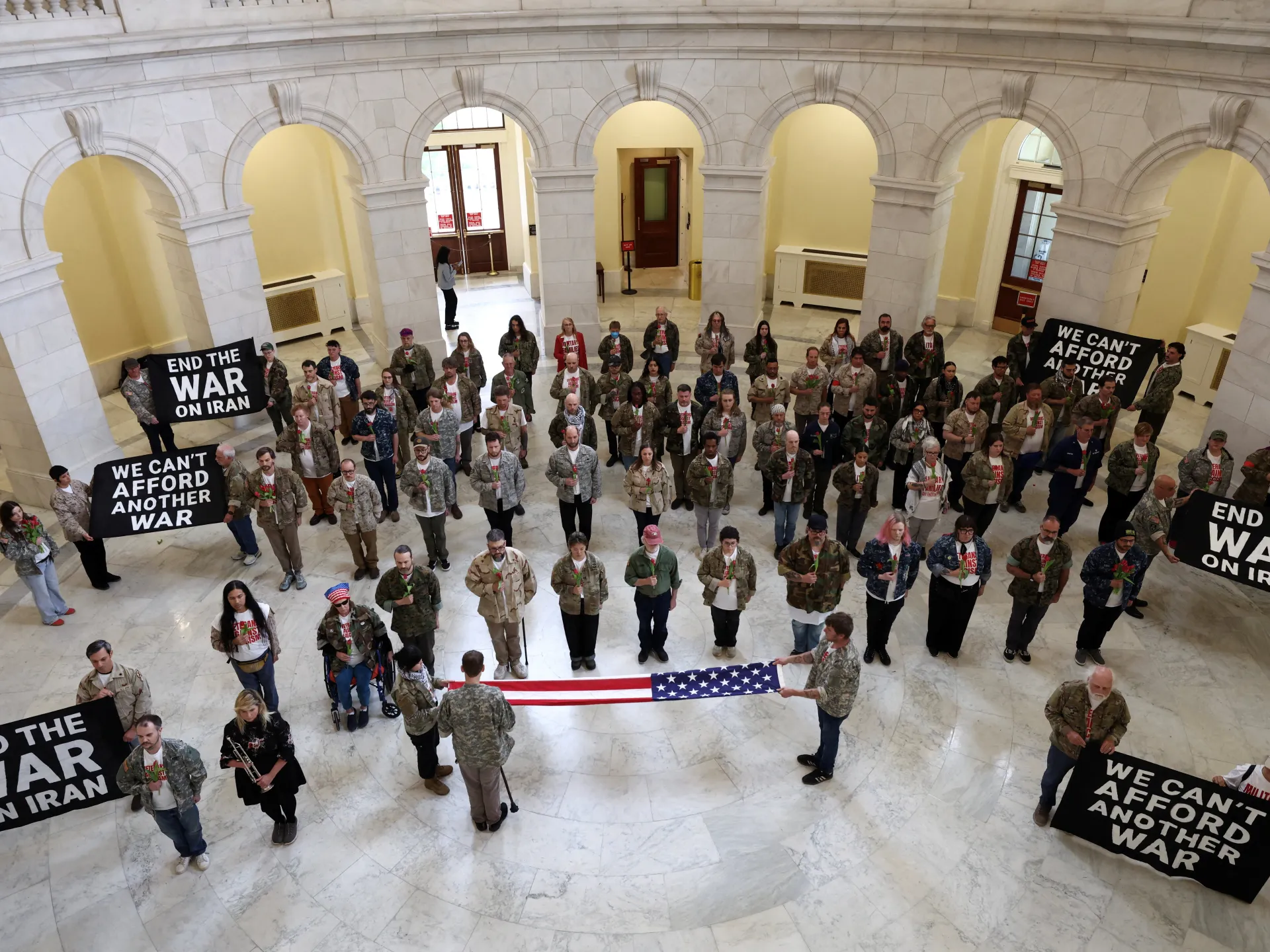

The recent arrest of U.S. veterans and family members during a protest at the U.S. Capitol—an action aimed at opposing a potential military engagement with Iran—has raised sharp concerns about geopolitical volatility that could ripple across the MENA region. From a sovereign capital perspective, the event underscores the fragility of U.S. policy cohesion, signalling to Middle Eastern governments that the United States remains susceptible to internal dissent that may translate into unpredictable foreign policy moves. Countries with significant U.S. defense and intelligence footprints may reassess their risk exposure, potentially reshuffling military procurement contracts and reevaluating their alignment with U.S. strategic priorities.
In the private sector, the incident reinforces the imperative for MENA-based venture capital firms to adopt stricter risk management frameworks. The anti-war sentiment, coupled with the possibility of renewed U.S. sanctions or diplomatic realignments, poses an elevated counterparty risk for cross‑border investments, particularly in defense and energy technologies. Sovereign wealth funds already investing in U.S. defence contractors may need to consider diversified portfolios, incorporating local technology hubs that can mitigate geopolitical concentration risks while continuing to support national industrial base development.
The impulsive disruption at the Capitol also forces a reassessment of regional infrastructure investment strategies. Projects that rely on U.S. financing—such as large‑scale renewable energy plants, smart‑city initiatives, and advanced logistics corridors—might face funding delays or shifts in funding structure if U.S. fiscal policy becomes less predictable. MENA governments may accelerate strategic partnerships with alternative financing institutions, including multilateral development banks and emerging markets, to safeguard long‑term infrastructural commitments and preserve momentum in the region’s Digital Decoupling agenda.
Overall, the arrests serve as a stark reminder that domestic political turbulence in the United States can have cascading effects on sovereign capital planning, venture capital exposure, and infrastructure financing within the MENA region. Policymakers and investors alike must now weigh the heightened volatility against the enduring opportunities presented by regional economic diversification and technological advancement.