
The recent “Make it in the Emirates” forum in Abu Dhabi underscores a critical shift in the UAE’s economic strategy, moving beyond reliance on foreign direct investment (FDI) to actively cultivate and highlight domestic capital formation. Recent geopolitical volatility has served as a stark demonstration of the UAE’s resilience, with its infrastructure and logistical networks absorbing significant shocks and maintaining operational continuity. This resilience, built over decades of disciplined nation-building and underpinned by substantial sovereign wealth—estimated at $2.5 trillion—and robust foreign reserves, provides a stable foundation for future growth, particularly as non-oil sectors now contribute over three-quarters of the nation’s GDP.
While the UAE consistently touts its FDI figures—a commendable 49% year-on-year increase in 2024—a more nuanced analysis reveals the significance of gross fixed capital formation, which reached $119 billion last year. This represents more than double the FDI inflow and places the UAE fifth globally in real growth of domestic capital formation. This domestic investment, encompassing capital deployed by residents and businesses within the UAE economy, reflects a deep-seated confidence in the nation’s long-term prospects and policy framework. The parallel reporting of domestic and foreign investment, as practiced by leading economies like Malaysia, Indonesia, and Thailand, would provide a more comprehensive picture of the UAE’s economic strength and attract further investment.
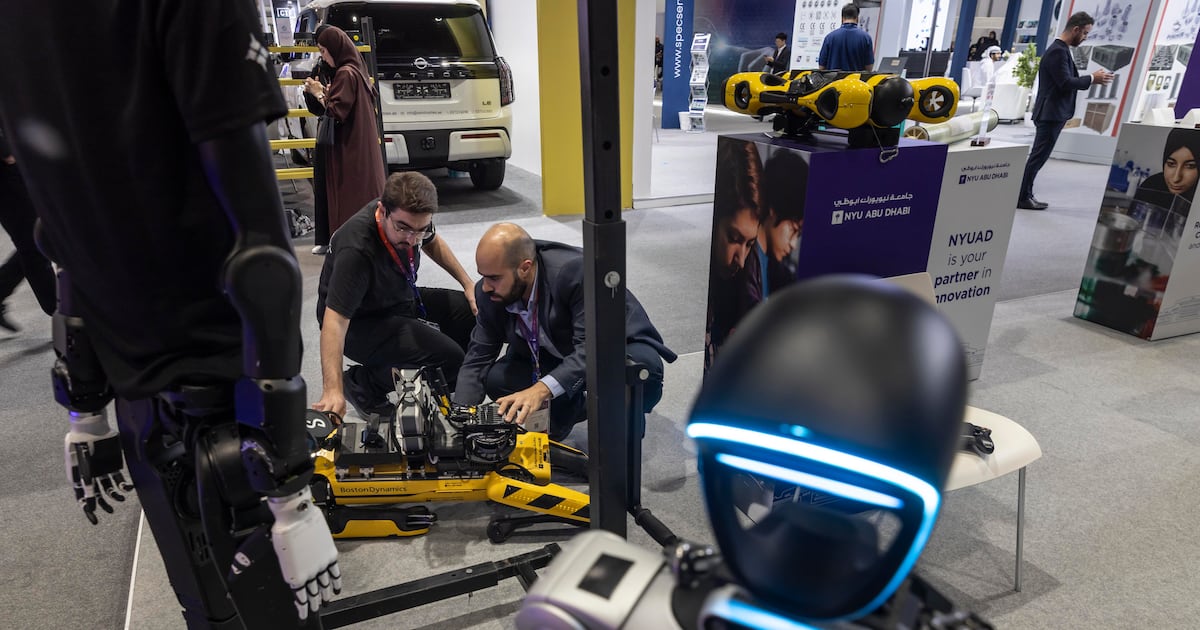
The strategic implications for the wider MENA region are considerable. The UAE’s focus on bolstering domestic industrial capacity, as evidenced by the National Industrial Resilience Fund and the localization of critical products, sets a precedent for other nations seeking to diversify their economies and reduce reliance on external factors. Furthermore, the UAE’s sovereign investment strategy, which extends beyond national borders, demonstrates a commitment to securing strategic assets and fostering economic partnerships globally. This dual approach—investing robustly at home while projecting influence abroad—positions the UAE as a key driver of regional economic integration and a potential model for other MENA nations seeking to attract both domestic and international capital.
Looking ahead, the emphasis on domestic investment will necessitate enhanced data transparency and a concerted effort to promote the narrative of homegrown economic strength. This includes fostering a vibrant venture capital ecosystem, particularly focused on supporting local entrepreneurs and innovative technologies. The UAE’s well-developed infrastructure, coupled with its strategic geographic location and increasingly sophisticated financial sector, provides a fertile ground for this growth. Ultimately, the success of “Make it in the Emirates” hinges not only on attracting foreign investment but also on harnessing the dynamism of the UAE’s resident population and their commitment to building a more resilient and diversified economy for the future.