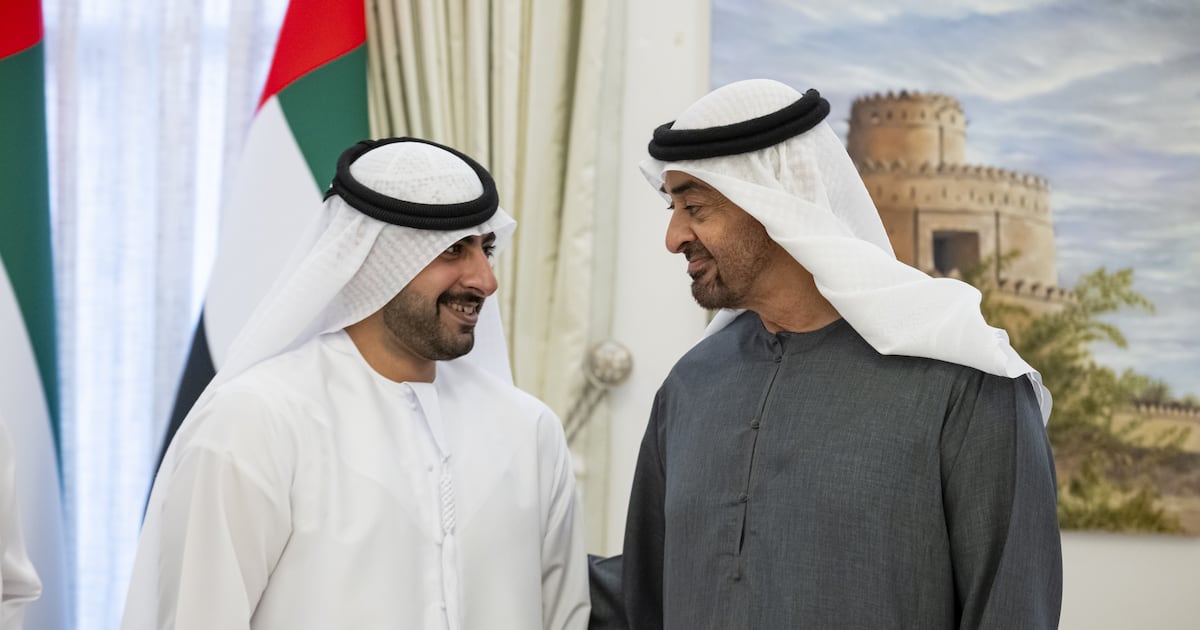

The high-profile attendance at the wedding of Sheikh Zayed bin Tahnoon bin Mohammed, hosted by President Sheikh Mohamed, underscores the UAE’s strategic emphasis on consolidating regional alliances through personal diplomacy. Such events, while ostensibly ceremonial, serve as platforms to reinforce political cohesion among Gulf monarchies, a critical factor in sustaining sovereign capital flows within the MENA region. The presence of key figures like Sheikh Mansour and Sheikh Nahyan—prominent stakeholders in both state-backed enterprises and private-sector ventures—signals an underlying alignment of economic interests. This prioritization of interpersonal networks could enhance cross-border investment confidence, particularly as sovereign wealth funds increasingly seek-EMEA exemplars of stability amid global volatility. The implicit message is clear: regional unity underpins macroeconomic resilience, a necessity for attracting long-term sovereign and venture capital commitments.
The event’s implications for venture capital are indirect but significant, reflecting the UAE’s broader push to diversify its economic narrative beyond hydrocarbons. By showcasing a united Gulf bloc capable of fostering cultural and business interoperability, the region aims to position itself as a hub for tech-driven innovation and startup ecosystems. This aligns with Vision 2030 objectives of reducing dependency on oil revenue through knowledge-based sectors. The emphasis on traditional Emirati performances at the reception, juxtaposed with modern governance efficacy, may also signal efforts to blend cultural identity with economic modernization—a dual strategy to attract foreign venture capital that values both cultural adaptability and technological ambition. However, without explicit announcements of new investments or policy shifts, such symbolism risks being overshadowed by the absence of tangible economic deliverables linked to the gathering.
The gathering highlights the UAE’s dual focus on soft power and infrastructure development as levers for regional influence. Infrastructure, particularly in transport and digital connectivity, remains a cornerstone of the UAE’s economic diversification strategy, with projects like the Baghdad-Kuwait integrated transit system and investments in fintech hubs. The attendance of officials overseeing economic sectors suggests that such events are not merely social but serve to align infrastructural priorities with regional aspirations. For instance, Sheikh Saif bin Mohammed’s involvement in security and internal affairs could correlate with plans to enhance cross-border digital infrastructure, facilitating trade and investment. Yet, the lack of concrete announcements from the event limits direct assessment of its impact on infrastructure funding or tech adoption in the MENA, leaving its relevance to be inferred from broader regional trends rather than specific outcomes.