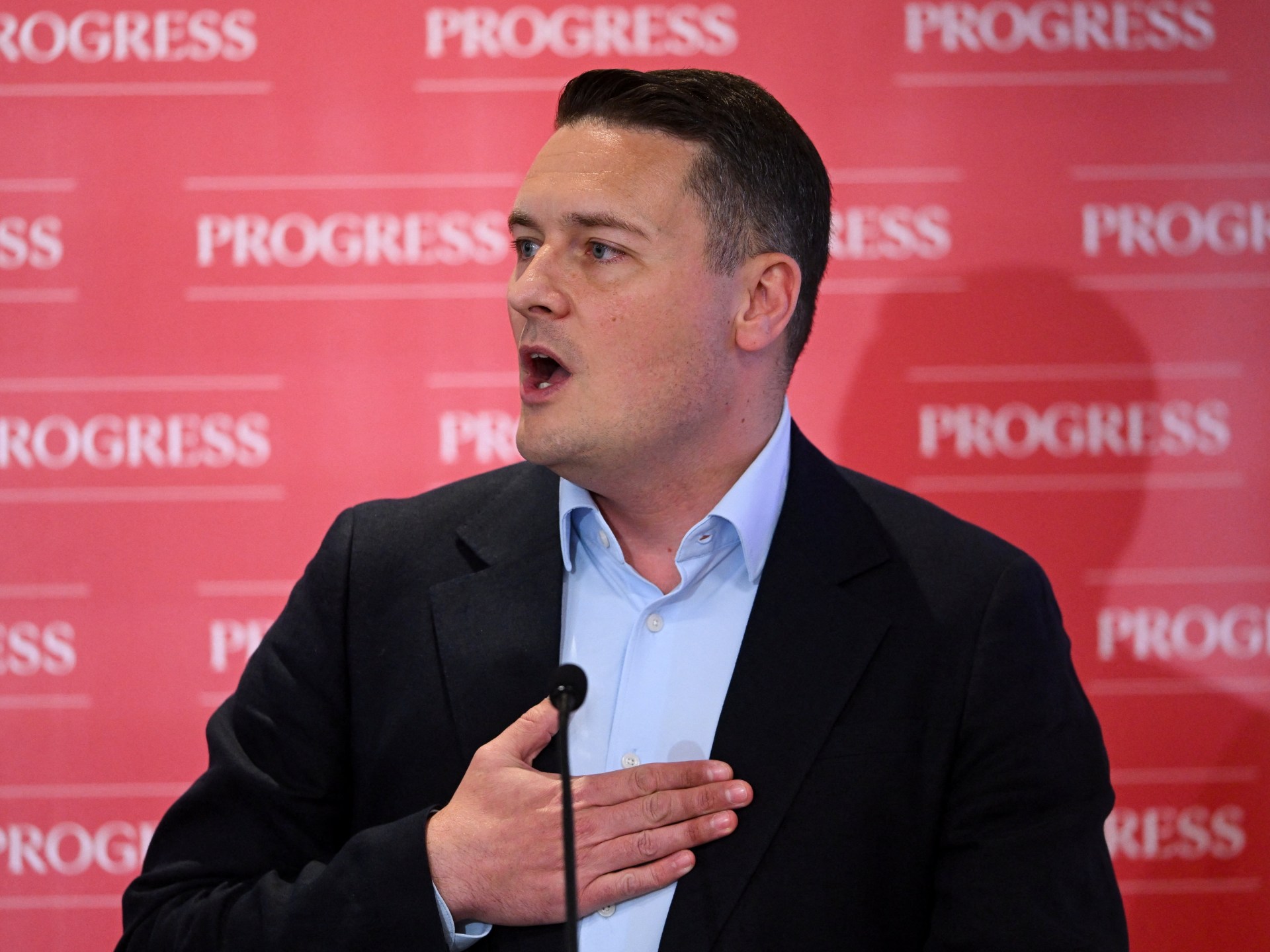

the turmoilsurrounding Prime Minister Keir Starmer’s Labour government has sent ripples through global capital markets, prompting sovereign wealth funds and institutional investors to reassess risk allocations in the Middle East and North Africa (MENA). With a leadership challenge looming, the uncertainty surrounding policy continuity—particularly on fiscal discipline and openness to foreign direct investment—has increased the perceived sovereign risk premium for MENA assets. Sovereign capital managers are likely to tighten exposure to UK‑linked equities and sovereign bonds, rebalancing toward higher‑yield, politically stable jurisdictions, thereby reshaping the flow of capital toward Gulf sovereign funds and North African state‑backed investment vehicles.
the impending leadership contest is expected to recalibrate the United Kingdom’s venture capital ecosystem, which in turn will influence MENA’s startup financing landscape. A potential shift toward a more growth‑oriented agenda under a new Labour leader could reinvigorate domestic VC dry powder, creating a broader pool of expertise and capital that may be redirected into high‑growth MENA sectors such as fintech, agritech, and clean energy. Conversely, if the incoming leadership adopts a more protectionist stance, VC firms may seek cross‑border partnerships with Gulf sovereign wealth funds, accelerating the deployment of co‑investment vehicles that target regional scale‑ups and deepen technology transfer.
infrastructure financing in the MENA region stands to be directly impacted by the UK’s political volatility, given the significant role of British sovereign wealth funds and development banks in funding large‑scale projects. Delays or policy reversals in London could postpone the disbursement of funds earmarked for transport corridors, renewable energy plants, and digital highways, raising financing costs and extending project timelines. Stakeholders are therefore monitoring the leadership race closely, as a clear, stable UK policy framework would reassure lenders and multilateral agencies, facilitating more favourable terms for sovereign‑backed infrastructure bonds and public‑private partnerships across the region.
in summary, the outcome of the Labour leadership contest will serve as a bellwether for the UK’s external investment posture, influencing sovereign capital flows, venture financing dynamics, and the cost and timing of major infrastructure projects in the Middle East and North Africa. A decisive, policy‑clear leadership transition is likely to restore confidence, attract renewed capital inflows, and accelerate the region’s strategic development agenda, whereas a protracted power struggle could exacerbate fiscal uncertainty and dampen cross‑border investment activity.