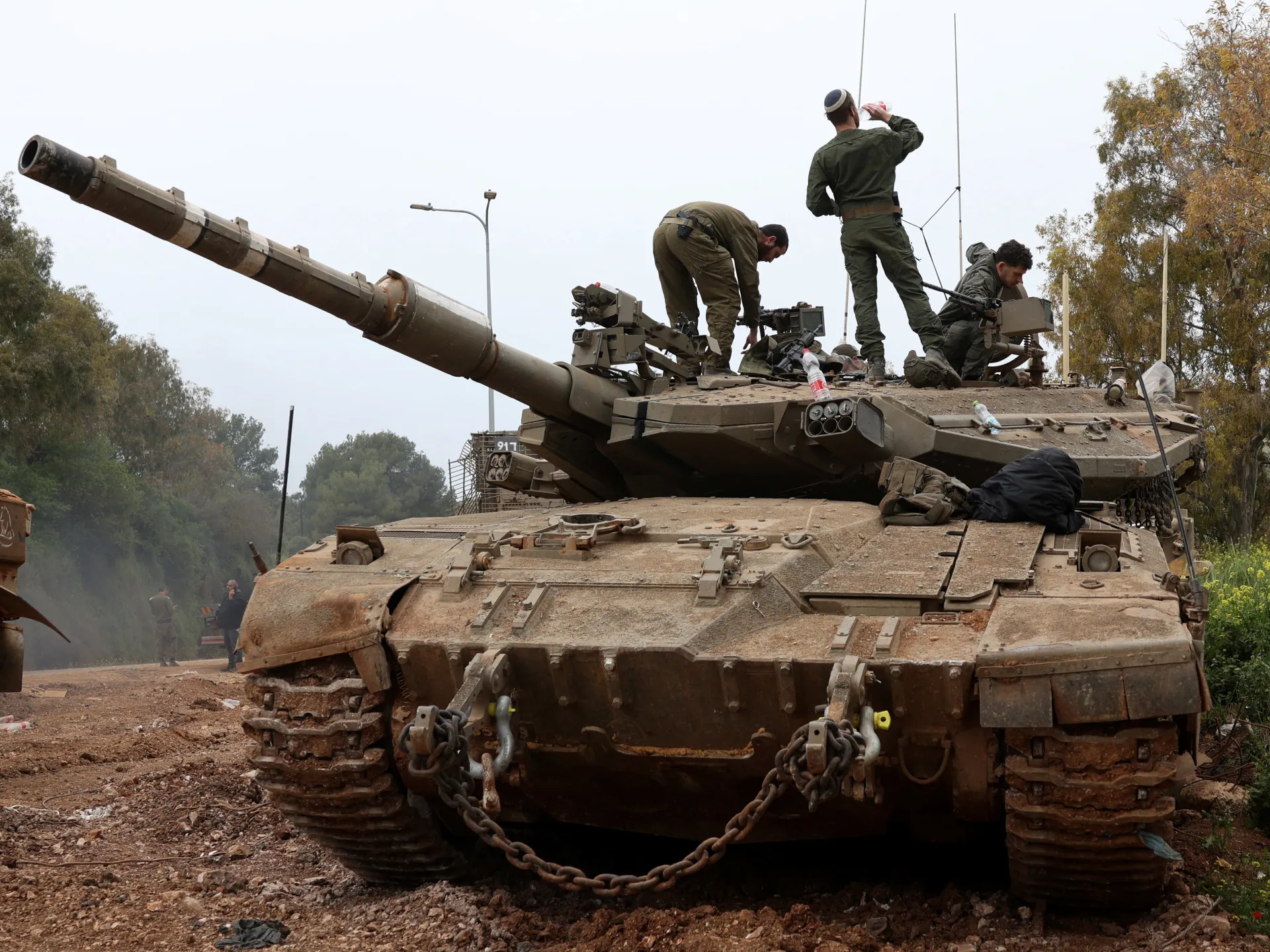

Israel’s escalating military campaign in Lebanon has grave implications for the region’s sovereign capital markets, with Lebanon’s already frayed financial system facing heightened risks of default. The displacement of over 1.2 million people has strained Lebanon’s limited domestic resources, exacerbating its debt default crisis and deterring international lenders critical to its $42 billion reconstruction plan. Regional economies, particularly Egypt and Jordan, face spillover pressures as cross-border trade and labor flows destabilize, while Gulf nations linked to the broader US-Iran détente wrestle with balancing security commitments against capital preservation. Analysts warn that retaliatory measures, such as Iran’s potential endorsement of Hezbollah’s actions, could trigger a broader financial domino effect, raising credit default swaps for multinationals operating in Shia-aligned states and straining IMF-backed sovereign debt restructurings across the MENA basin.
The violence disrupts the region’s fragile venture capital ecosystem, with Lebanon—a hub for tech startups amid the region’s “Silicon Wadi” narrative—risking a mass exodus of entrepreneurs and foreign investors amid uncertainty. Firms in encrypted communications, maritime logistics, and agri-tech—sectors shaped by Lebanon’s conflict-related innovation—are scaling back operations or relocating to safer jurisdictions like Dubai or Amman. Meanwhile, defense tech VCs, particularly those funding satellite surveillance or precision-guided munitions, see increased demand as Israel’s siege of Beirut deploys cutting-edge systems, though this is unlikely to offset broader regional investor skepticism. The geopolitical malignancy permeating 2026’s second half, from Gaza to the Red Sea, correlates with a 23% YoY decline in VC commitments to MENA, as per Crunchbase data, signaling a strategic pivot toward stability-embedded value propositions.
Infrastructure collapses in southern Lebanon expose critical gaps in transnational resilience planning, with 15 bridges, 30 power stations, and coastal ports destroyed, crippling Lebanon’s capacity to engage in Gulf-driven economic integration projects like the Port of Haifa-Fallujah gas pipeline. Regional authorities, already diverting aid to camps near Baalbek, face mounting costs to rebuild schools and hospitals—a burden compounded by the 40% depreciation of the Lebanese pound since late 2025. The conflict’s impact on Red Sea security, particularly tanker routes through the Strait of Hormuz, further incentivizes nations like Saudi Arabia to accelerate their sovereign wealth fund-backed renewable infrastructure bets, diverting capital from traditional hydrocarbons plays. This bifurcation of investment agendas risks entrenching a divide between war-torn peripheries and hydrocarbon-exporting G20 members within the MENA investment landscape.