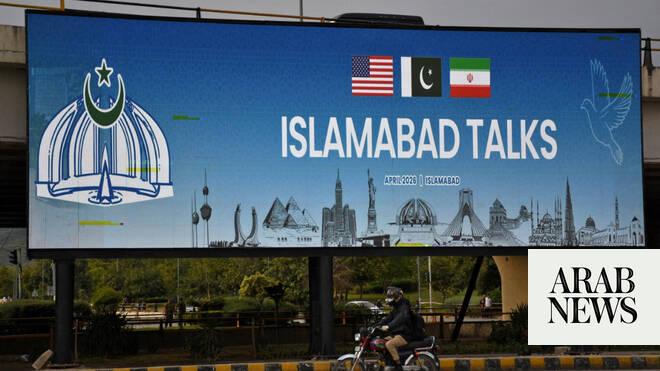

Pakistan’s hosting of high-stakes US-Iran talks in Islamabad represents a pivotal moment in the Middle East and North Africa, carrying profound implications for regional stability, sovereign capital allocation, venture capital flows, and critical infrastructure development. The fragile ceasefire that has sustained dialogue between Washington and Tehran underscores the precarious nature of de-escalation in a region consistently defined by geopolitical tensions. These discussions, anticipated to commence on Saturday, are the most direct engagement between the two powers since the cessation of earlier diplomatic efforts, raising significant questions about the potential for a lasting resolution amidst considerable uncertainty.
The business impact of these talks is potentially substantial. A breakthrough could alleviate significant pressure on global energy markets, which remain vulnerable to disruptions in the Strait of Hormuz, a vital artery for approximately 20% of the world’s oil and substantial volumes of natural gas. Conversely, failure to secure a durable agreement risks renewed volatility, potentially driving up energy prices and impacting economic growth worldwide. Sovereign capital markets in the region are closely monitoring the outcome, with investors assessing the potential for increased stability and reduced geopolitical risk. Furthermore, the process could stimulate regional financial flows, particularly in sectors related to energy infrastructure and security, potentially attracting venture capital investment focused on solutions for de-escalation and energy security. The potential for a normalized relationship between the US and Iran offers a pathway to reduced conflict and investment in regional infrastructure projects, including transportation networks and energy grids, fostering economic integration and growth.
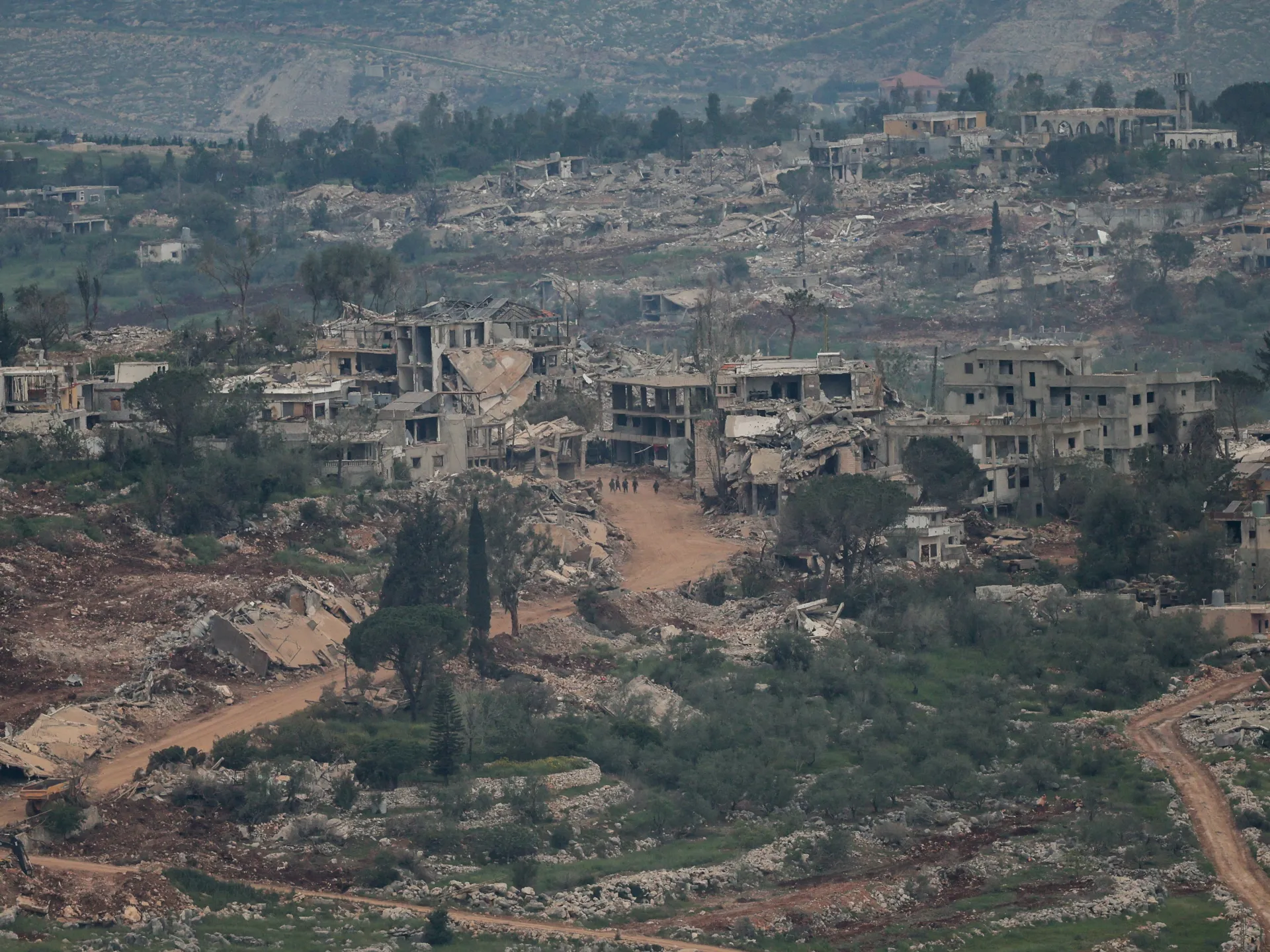
The implications for regional infrastructure are equally significant. The disruption of the Strait of Hormuz, stemming from the recent conflict, has highlighted the vulnerability of critical energy infrastructure. A lasting agreement could pave the way for increased investment in maritime security, logistical improvements, and the development of alternative energy pathways across the region. Moreover, the engagement between the US and Iran could foster greater cooperation on infrastructure projects in neighboring countries, potentially unlocking new investment opportunities and boosting regional connectivity. Saudi Arabia, a key regional player, has already signaled its commitment to de-escalation, further underscoring the potential for transformative changes in the regional economic landscape. The talks also provide an opportunity to address long-standing infrastructure deficits in some MENA nations, particularly in areas related to energy supply, transportation, and digital connectivity.
However, the path to a resolution remains fraught with challenges. The core issues – nuclear safeguards, oil transit security, regional conflict resolution – present significant hurdles. The indirect diplomatic approach, utilizing Pakistani mediation, reflects the deep mistrust between the parties and underscores the complexities of navigating a volatile geopolitical environment. Successful navigation of these challenges requires sustained engagement, a willingness to compromise, and regional consensus. Should the talks fail, the implications extend far beyond the immediate geopolitical situation, potentially undermining regional stability and further disrupting global economic activity. The outcome will be judged not solely on the immediate ceasefire extension but on Pakistan’s ability to facilitate a process that fosters long-term security and economic prosperity for the entire region.