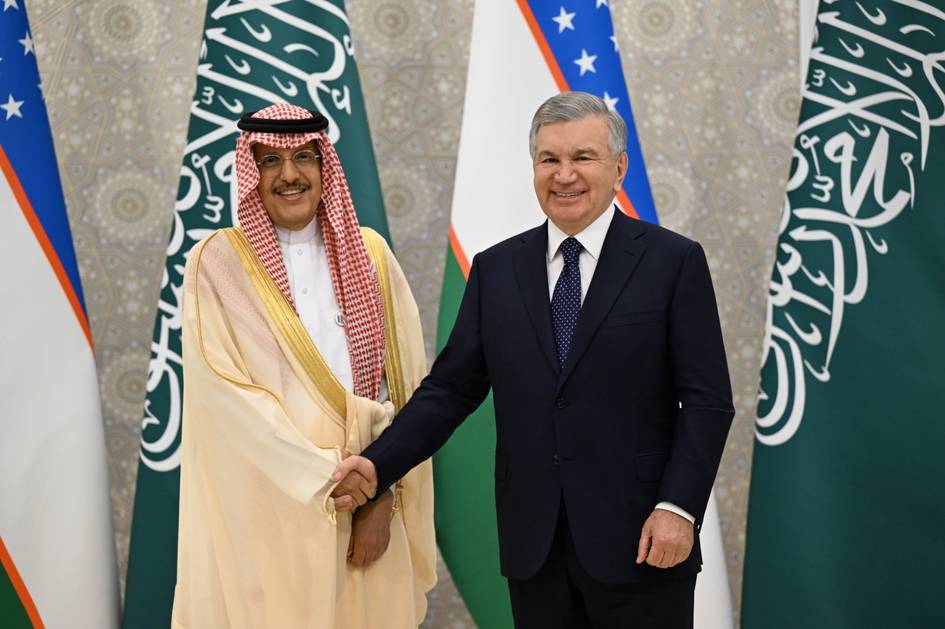

The strategic partnership between Uzbekistan and ACWA Power exemplifies the pivotal role sovereign capital from Gulf Cooperation Council (GCC) states is assuming in reshaping Middle East and North Africa (MENA) energy dynamics, extending regional influence through infrastructure investment vehicles. This collaboration underscores a deliberate pivot by Gulf sovereign wealth funds towards strategic cross-continental infrastructure deployment, leveraging petrodollar surpluses to secure energy access while simultaneously diversifying geopolitical and economic footprints beyond traditional MENA markets. Such projects, particularly in high-demand sectors like power and desalination, enable Gulf capital to generate stable long-term returns while advancing energy security objectives across Central Asia, creating a new axis of regional economic integration.
From a sovereign capital perspective, this initiative mirrors the broader strategic deployment of Gulf entities like Saudi Arabia’s Public Investment Fund (PIF) and Abu Dhabi’s ADQ, which are increasingly deploying capital not merely for financial returns but to establish strategic commercial corridors and technological partnerships in emerging markets. For Uzbekistan, this inflow of GCC-backed capital accelerates critical infrastructure modernization, bypassing traditional multilateral financing constraints, while providing GCC entities with exposure to high-growth Central Asian economies and de-risking large-scale energy projects through state-level backing, fundamentally altering the investment landscape across the Eurasian region.
Consequently, this cooperation signals significant implications for regional venture capital infrastructure and private enterprise ecosystems in both the source and destination markets. GCC sovereign capital acting as anchor investors in such projects de-risks associated technologies and business models, unlocking downstream opportunities for MENA and Central Asian startups in energy-tech, logistics, and smart infrastructure. This catalytic effect, coupled with enhanced regional connectivity, fosters a virtuous cycle: robust infrastructure enables private capital deployment, attracting international venture capital flows into supporting innovation clusters, ultimately positioning Central Asia as an extension of MENA’s burgeoning innovation and investment ecosystem beyond traditional energy sectors.