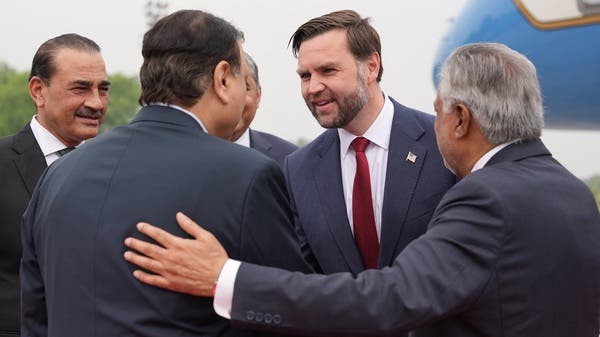

Recent diplomatic efforts facilitating direct talks between the United States and Iran in Pakistan signal a critical juncture for the Middle East and North Africa (MENA) region. While the immediate focus is on de-escalating the ongoing conflict, the implications for sovereign capital flows, venture capital investment, and regional infrastructure development are substantial. A successful resolution to the immediate hostilities will be a primary catalyst for renewed confidence in the region’s economic stability, potentially unlocking significant financial resources currently held in reserve by both state and private entities. This could translate into increased direct investment in vital infrastructure projects across the MENA, including energy, transportation, and digital networks, which are crucial for long-term economic diversification and resilience.
The prospect of normalized relations, even if limited to conflict resolution, presents a compelling narrative for both sovereign wealth funds (SWFs) and international venture capital (VC) firms. SWFs, particularly those in Gulf states, have been cautiously evaluating opportunities in the region, often prioritizing stability. A de-escalation could unlock capital previously earmarked for alternative markets, channeling it towards sectors poised for growth, such as renewable energy, technology, and sustainable development. Similarly, VC activity, which has seen intermittent periods of dynamism in MENA, is likely to benefit from a more predictable geopolitical environment. Increased investor confidence could stimulate funding rounds for promising startups across various sectors, fostering innovation and job creation within the region.
However, the path forward remains fraught with uncertainty. The article highlights “mutual mistrust” overshadowing the talks, underscoring the inherent risk associated with such delicate negotiations. Any failure to achieve a lasting ceasefire could lead to renewed instability, potentially deterring both sovereign and private investment. Furthermore, the long-term implications for regional infrastructure projects dependent on cross-border cooperation, particularly in energy transit and connectivity, require careful consideration. The outcome of these discussions will significantly shape the trajectory of economic development in MENA, influencing investor sentiment and the allocation of capital for years to come.