
MENA region startups are experiencing unprecedented growth, driven by a convergence of digital transformation, entrepreneurial dynamism, and shifting global capital flows. Despite regulatory fragmentation and macroeconomic headwinds, post-pandemic recovery has accelerated innovation, with unicorns like Fawry (digital payments) and Telda (smart city solutions) emerging as bellwethers of the region’s capacity to scale technology-driven enterprises. Venture capital inflows have surged to $3.2 billion in 2023, reflecting institutional confidence in MENA’s digital economy—a sector now contributing 12% to GDP and growing at 20% YoY. However, this momentum hinges on sovereign entities bridging critical gaps in infrastructure and policy coherence, particularly as Gulf Cooperation Council (GCC) states double down on economic diversification agendas.
The region’s sovereign capital initiatives are becoming linchpins for scaling startups, with public-private partnerships (PPPs) redefining risk-sharing models. Saudi Arabia’s $100 billion Vision 2030 Venture Capital Fund and Egypt’s Sovereign VC arm exemplify state-backed mechanisms to de-risk high-growth tech ventures in sectors like proptech and agritech. Yet disparities persist: while the UAE’s regulatory sandbox framework attracts cross-border investments, Lebanon’s capital controls and Syria’s conflict zones remain exclusionary. A coordinated regional framework—leveraging GCC harmonization efforts—could amplify impact, aligning Arab Chamber of Deputies reforms with frontier technologies like AI-driven fintech. Such collaboration is critical to mitigate liquidity traps in secondary markets, where 65% of MENA startups struggle to transition from Series B to growth-stage financing.
Venture capital trends underscore a strategic pivot toward defensible moats in high-impact sectors. The $1.1 billion allocated to fintech in 2023 reflects MENA’s leapfrogging of traditional banking infrastructure, with blockchain-enabled remittances gaining traction. However, the absence of secondary markets in the region creates a liquidity paradox, deterring institutional LPs from deepening commitments. To address this, sovereign entities must catalyze SPAC-like structures or secondary buyout platforms, as seen in Saudi Arabia’s Nasdaq partnership. Meanwhile, sovereign wealth funds (SWFs) are prioritizing ESG-aligned tech bets, with UAE’s Mubadala increasing stakes in Moroccan solar startups to capitalize on GCC infrastructure connectivity initiatives. Operational transparency and governance reforms in MENA startups remain prerequisites to unlocking $20 billion in dormant US LP commitments earmarked for the region.
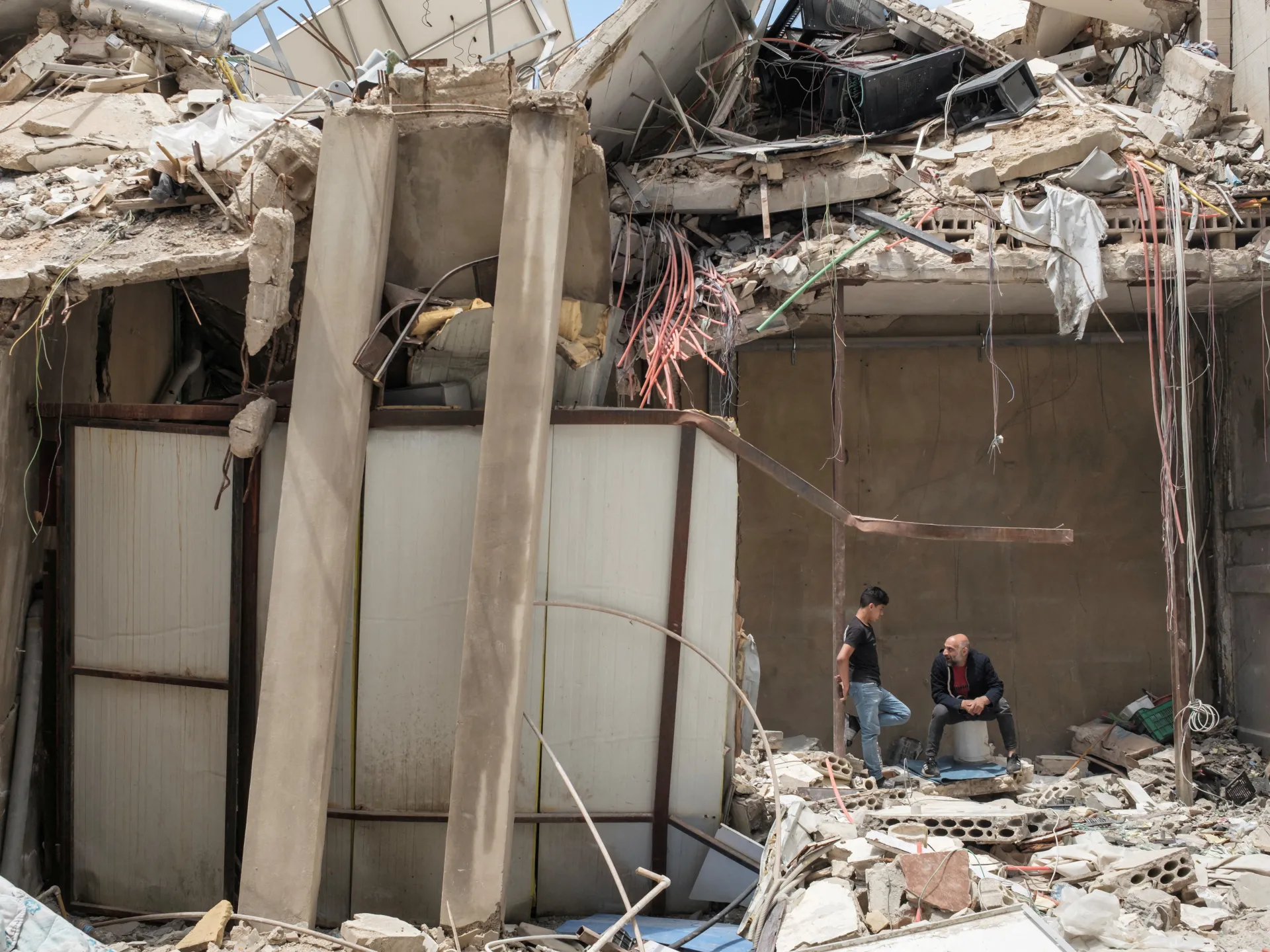
Infrastructure modernization is the linchpin for translating MENA’s startup potential into durable economic value. The region’s $1 trillion infrastructure deficit—particularly in logistics, energy, and digital connectivity—creates systemic friction for scaling tech ventures. Cross-border collaboration, such as the GCC’s 2024 Single Digital Economy Market framework, aims to standardize e-commerce protocols and data privacy laws, unlocking $1.5 trillion in intra-regional trade by 2030. However, post-conflict reconstruction in Libya and Yemen demands sovereign coordination to repurpose shadow IT ecosystems into formal venture pipelines. Ultimately, the MENA tech ecosystem’s trajectory will hinge on sovereign entities acting as both catalyst and stabilizer, ensuring that venture capital’s fleeting experimental phase evolves into a sustained engine of regional economic resilience.