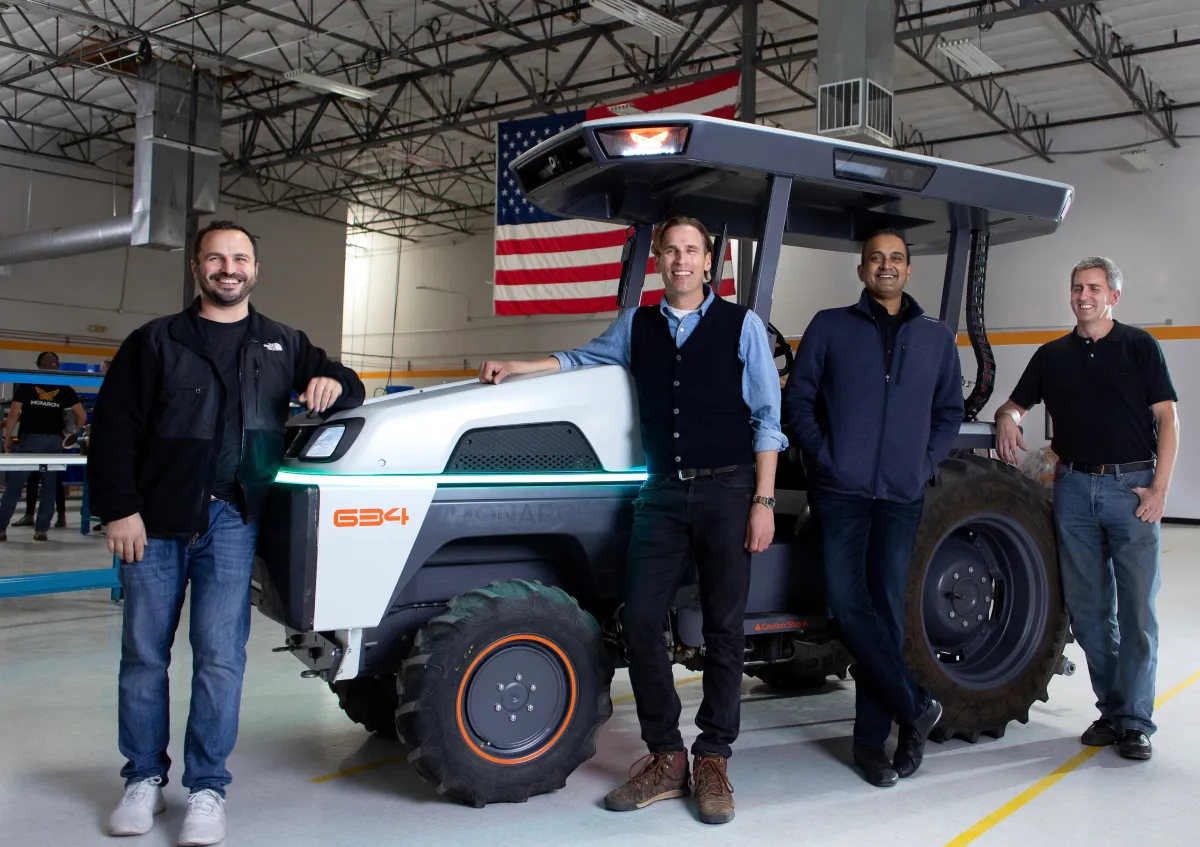

The acquisition of Monarch Tractor’s core technology by Caterpillar represents a significant, albeit belated, validation of the burgeoning autonomous agricultural equipment sector in the Middle East and North Africa (MENA) region. While Monarch’s strategic pivot towards software services ultimately faltered, its underlying innovation in driver-optional electric tractors holds considerable promise for the region’s evolving agricultural landscape. Caterpillar’s entry signals a substantial commitment of capital and technological expertise, potentially accelerating the adoption of advanced farming practices across the MENA. This move is likely to have a positive ripple effect on the regional venture capital ecosystem, demonstrating renewed confidence in ag-tech and potentially attracting further investment into related startups focused on precision agriculture, data analytics, and sustainable farming solutions.
The business impact extends beyond direct technology transfer. Sovereign wealth funds and private equity firms within the MENA region, increasingly focused on food security and technological diversification, will likely view this acquisition as a positive indicator of long-term growth potential in the agricultural technology space. The integration of autonomous tractors could address critical labor shortages and enhance efficiency in a region heavily reliant on agricultural exports. Furthermore, the infrastructure implications are noteworthy. The deployment of these advanced machines will necessitate investments in robust digital infrastructure, including reliable 5G connectivity and data processing capabilities, thereby stimulating growth in the telecommunications sector and fostering the development of smart farm ecosystems. The expertise gained from this acquisition could also catalyze the development of local manufacturing and maintenance capabilities within the region.
Monarch’s journey, marked by substantial funding rounds exceeding $200 million and partnerships with industry giants like Foxconn, highlights the ambition and challenges of scaling disruptive technology in emerging markets. The company’s struggles with manufacturing and dealer relations underscore the critical importance of robust supply chains and strong partner ecosystems for success. The departure of co-founder Carlo Mondavi due to differing strategic visions serves as a cautionary tale regarding the complexities of aligning technological development with market needs. Despite these setbacks, Caterpillar’s acquisition injects renewed momentum into the sector, providing a stable foundation for future innovation and potentially paving the way for further consolidation and expansion of autonomous agricultural solutions across the MENA.
Looking ahead, the success of this acquisition will depend on Caterpillar’s ability to effectively integrate Monarch’s technology into its existing portfolio and cater to the specific requirements of the MENA agricultural market. The region’s diverse climates and farming practices necessitate adaptable and robust solutions. This development is expected to fuel further innovation in areas such as sensor technology, artificial intelligence, and data-driven insights for optimizing crop yields and resource management. The long-term implications for regional food security and the modernization of agricultural practices are significant, suggesting a future where autonomous machinery plays an increasingly pivotal role in the economic prosperity of the Middle East and North Africa.