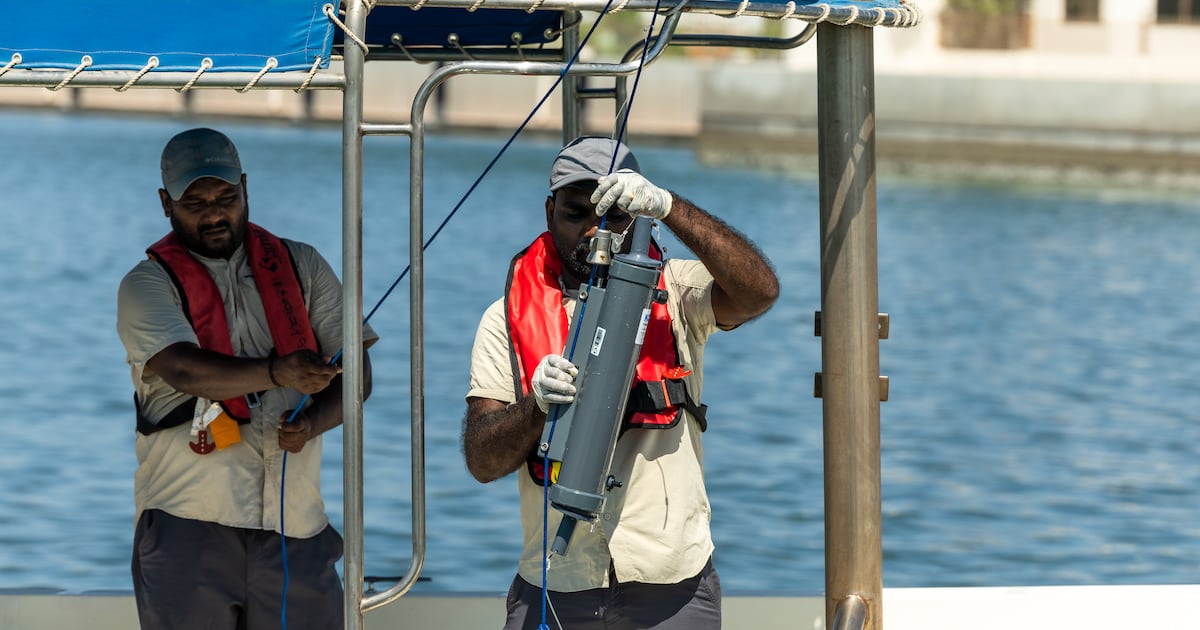

The findings from the recent study spanning seawater, sediments, and offshore islands off Abu Dhabi underscore critical socio-economic and environmental challenges for the MENA region. The detection of elevated microplastic concentrations—not only at levels far exceeding global norms but also in sensitive marine environments—reinforces the urgent need for regional governance and strategic intervention. This unprecedented microplastic pollution is not merely an ecological concern; it directly ties into the strategic infrastructure and investment priorities of the Middle East and North Africa (MENA) region, both of which are undergoing rapid economic transformation and urbanization.
From an investment standpoint, the implications cascade across sovereign capital deployments and venture capital trends. High microplastic readings, especially concentrated near offshore islands and beneath subsurface water flows, expose strategic vulnerabilities for infrastructure planning. The UAE’s ambitious sustainability initiatives and regional partnerships signal heightened risk assessment, potentially influencing sovereign wealth fund allocations toward cleaner technologies and waste management innovations. These developments challenge the regional narrative of progress, demanding a recalibration of environmental risk paradigms in corporate and public investment strategies.
Furthermore, the study illuminates a broader imperative: infrastructure must evolve to address the legacies of microplastic contamination. The high concentrations recorded across the Arabian Gulf underscore the necessity of advanced current flow modeling to anticipate and mitigate further spread of these pollutants. The interplay of surface and subsurface dynamics, exacerbated by local climatic events, calls for a more integrated approach to environmental stewardship. Ultimately, the data compel regional leaders to prioritize not only economic growth but also the resilience of natural ecosystems—aligning regional ambitions with the urgent task of ensuring a cleaner, more sustainable future.
These insights must be leveraged by policymakers and stakeholders to shape investment in next-generation water treatment, ecological restoration, and circular economy frameworks. Without decisive action, the environmental costs of inaction could surpass the anticipated opportunities for innovation and green growth in the MENA corridor.