
Saudi Arabia’s King Abdulaziz Endowment has leveraged its sovereign wealth to launch the “Read” exhibition in Makkah, a digitally‑enhanced cultural venue that underscores the kingdom’s broader strategy to monetize religious tourism and diversify its knowledge‑economy assets. By situating the interactive experience within the Clock Tower complex—a flagship of the $15 billion Makkah Development Project—the Endowment signals a willingness to inject private‑capital‑grade financing into heritage‑driven infrastructure, creating a replicable model for future public‑private partnerships across the Gulf.
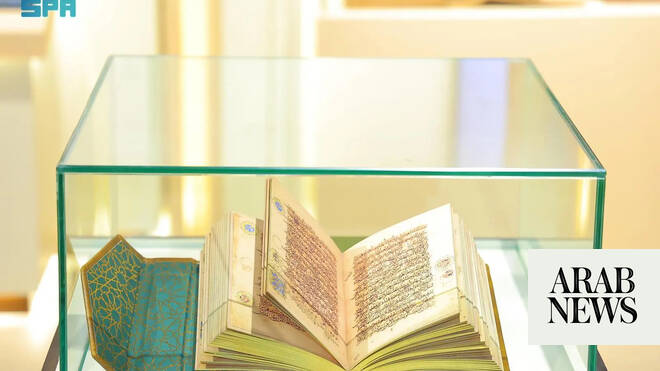
The exhibition’s partnership with the General Presidency for the Affairs of the Grand Mosque and the Prophet’s Mosque, alongside the Bayan Association, illustrates a coordinated sovereign‑backed approach to content creation that aligns with Vision 2030’s digital transformation agenda. The deployment of high‑resolution touchscreens, augmented‑reality displays of rare Qur’an manuscripts, and on‑site publishing of scientific research demonstrates a sophisticated use of capital to digitise religious scholarship, thereby opening new revenue streams through licensing, data‑analytics services and premium visitor experiences.
From an investment perspective, the “Read” exhibition acts as a proof‑of‑concept for venture capitalists targeting the nascent ‘faith‑tech’ ecosystem in the MENA region. The project’s scalable technology stack—built on cloud‑native platforms and funded through a blend of sovereign seed capital and limited‑partner contributions—offers a template for spin‑outs focused on AI‑driven religious education, immersive learning, and multilingual content distribution. Early‑stage funds are already scouting similar initiatives, anticipating that Saudi‑backed proof points will de‑risk subsequent rounds of financing.
Infrastructure‑wise, the exhibition reinforces the strategic importance of consolidating cultural attractions within mixed‑use precincts that combine hospitality, retail, and transport linkages. By operating 24/7 within a high‑traffic pilgrimage hub, the Endowment maximises asset utilisation and creates a continuous flow of ancillary economic activity—benefitting local SMEs, hospitality operators, and logistics providers. The success of this model will likely inform the next wave of sovereign‑driven projects aimed at converting religious and heritage sites into smart‑city nodes, cementing the MENA region’s role as a nexus of faith‑based tourism and digital innovation.