
Amid the enduring US naval blockade of the Strait of Hormuz, the Gulf’s ability to restore oil output will be a decisive factor for regional fiscal buffers. The International Energy Agency estimates that 50 % of the shut‑in capacity can be back online within two weeks of a reopening, climbing to 80 % after a month, provided labour, contracting and logistics chains are promptly re‑mobilised. The remaining 20 % poses a longer‑term technical challenge, but the swift recovery of the bulk of production will blunt the shock to sovereign budgets that are already under pressure from the IMF’s latest revision of Saudi Arabia’s 2026 growth forecast to 3.1 %, a full 1.4 percentage points below the January outlook. With oil revenues still the linchpin of GCC fiscal plans, any delay in reinstating full capacity could force adjustments to diversification programmes and public‑sector spending.
Despite the geopolitical turbulence, GCC sovereign wealth funds have continued to deploy capital at a brisk pace, committing roughly USD 25 billion in the first quarter of 2026. The Public Investment Fund’s USD 550 million injection into electric‑vehicle pioneer Lucid underscores a strategic pivot toward green technology and a bid to lock in future revenue streams beyond hydrocarbons. This flow of sovereign capital is complemented by a nascent but accelerating venture‑capital ecosystem that is increasingly targeting AI, fintech and clean‑energy start‑ups across the MENA corridor, feeding the broader “MENA+” narrative of exporting ideas and capital to global financial hubs.
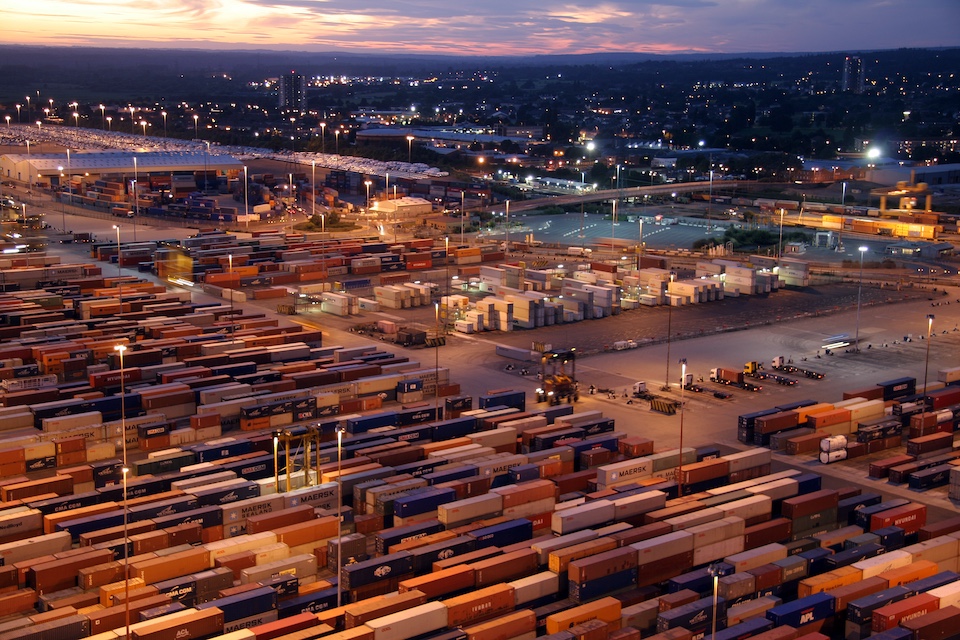
Infrastructure implications are equally pronounced. The prospect of rapid oil‑field reinstatement hinges on stabilising supply‑chain routes that have been disrupted by the blockade and Tehran’s recent threats against maritime assets. Parallel to energy, the region’s real‑estate market is witnessing a modest outflow of high‑net‑worth individuals to European safe‑havens such as Switzerland, Spain and the United Kingdom. While luxury property demand abroad signals a temporary hedging behavior, the absence of a mass capital flight suggests that sovereign and private investors remain largely anchored to the Gulf, awaiting clearer security guarantees before committing to permanent relocation.
In this context, the launch of the EnterpriseAM MENA+ flagship signals a concerted effort to map the evolving flows of capital, talent and technology across the region. Backed by Mashreq, the publication will track how new trade corridors to India and China, the rise of AI‑driven enterprises, and the sustained sovereign‑fund activity shape the long‑term resilience of MENA’s economic architecture, even as short‑term geopolitical shocks test its adaptability.