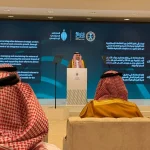

Recent statements from Yasir Al-Rumayyan, Governor of Saudi Arabia’s Public Investment Fund (PIF), regarding the Neom megaproject signal a significant recalibration of Vision 2030’s ambitious infrastructure roadmap. While PIF maintains that no projects within Neom have been formally cancelled, substantial delays – explicitly acknowledged by Al-Rumayyan – are now confirmed, primarily driven by strategic prioritization necessitated by competing national objectives, including the successful delivery of Expo 2030 and the 2034 FIFA World Cup. This shift represents a pragmatic adjustment to a program initially predicated on a rapid, linear timeline, reflecting the inherent complexities of undertaking projects of this scale and the evolving geopolitical landscape.
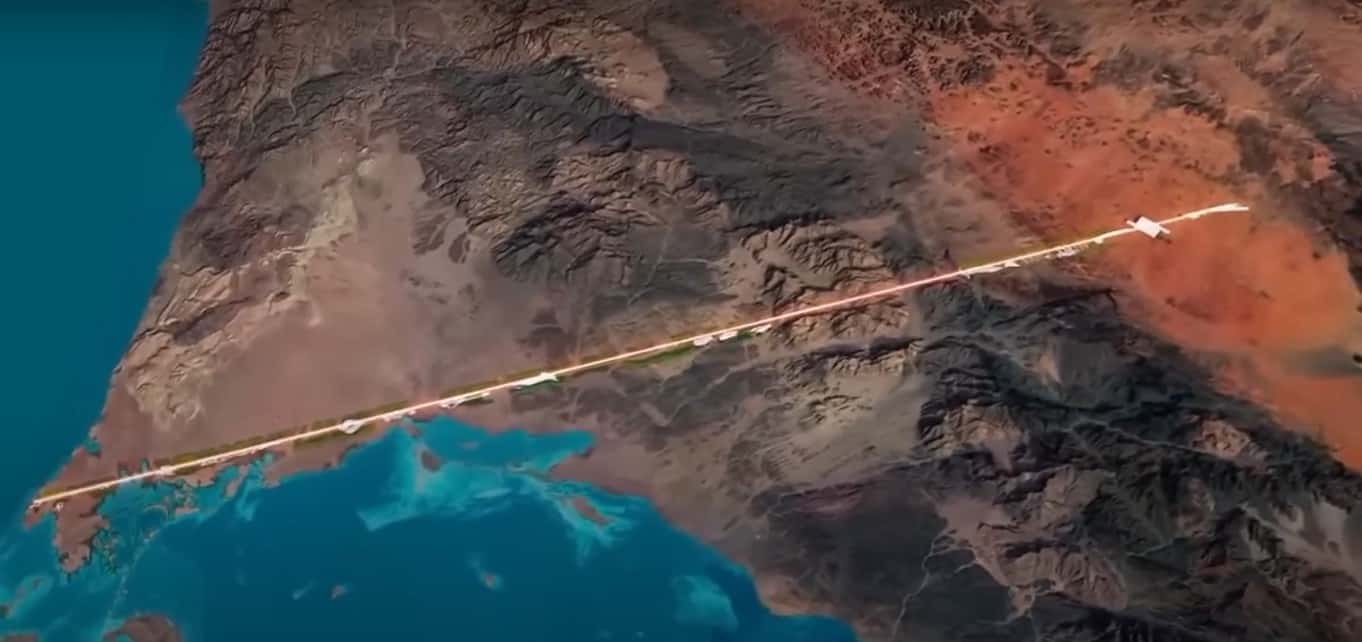
The delays impacting Neom, particularly surrounding the iconic “The Line” project, have profound implications for the region’s venture capital ecosystem. Initial investor enthusiasm, fueled by the project’s futuristic vision and substantial sovereign backing, is now tempered by uncertainty. While PIF’s announced 2026-2030 investment strategy – restructuring into distinct portfolios – aims to optimize returns, the protracted timeline for Neom’s completion inevitably reduces the immediate attractiveness of high-risk, long-term investments tied to the project. Furthermore, the ongoing speculation surrounding the Middle East conflict and its potential impact on Saudi Arabia’s fiscal position will undoubtedly further scrutinize the viability of such large-scale, capital-intensive ventures.
Beyond the immediate impact on Neom itself, the delays underscore broader challenges facing regional infrastructure development. The recent Iranian attacks on Gulf infrastructure – targeting airports, energy facilities, and ports – have highlighted vulnerabilities and prompted a reassessment of security protocols and investment priorities. This has accelerated a trend towards prioritizing resilient, strategically vital projects over purely speculative, long-term developments. Sovereign wealth funds, including PIF, are increasingly focusing on bolstering existing infrastructure and bolstering national security, potentially diverting resources away from ambitious, futuristic projects like Neom.
Finally, the situation surrounding Neom serves as a critical case study for the broader Middle East. The project’s initial scale and reliance on external investment were intended to demonstrate Saudi Arabia’s commitment to economic diversification. However, the acknowledged delays, coupled with the escalating regional instability and persistent economic headwinds, necessitate a more cautious and strategically focused approach to Vision 2030. The future of Neom, and indeed the broader ambition of transforming the region’s economy, hinges on a demonstrable ability to adapt to evolving realities and prioritize sustainable, resilient growth over purely aspirational, headline-grabbing projects.