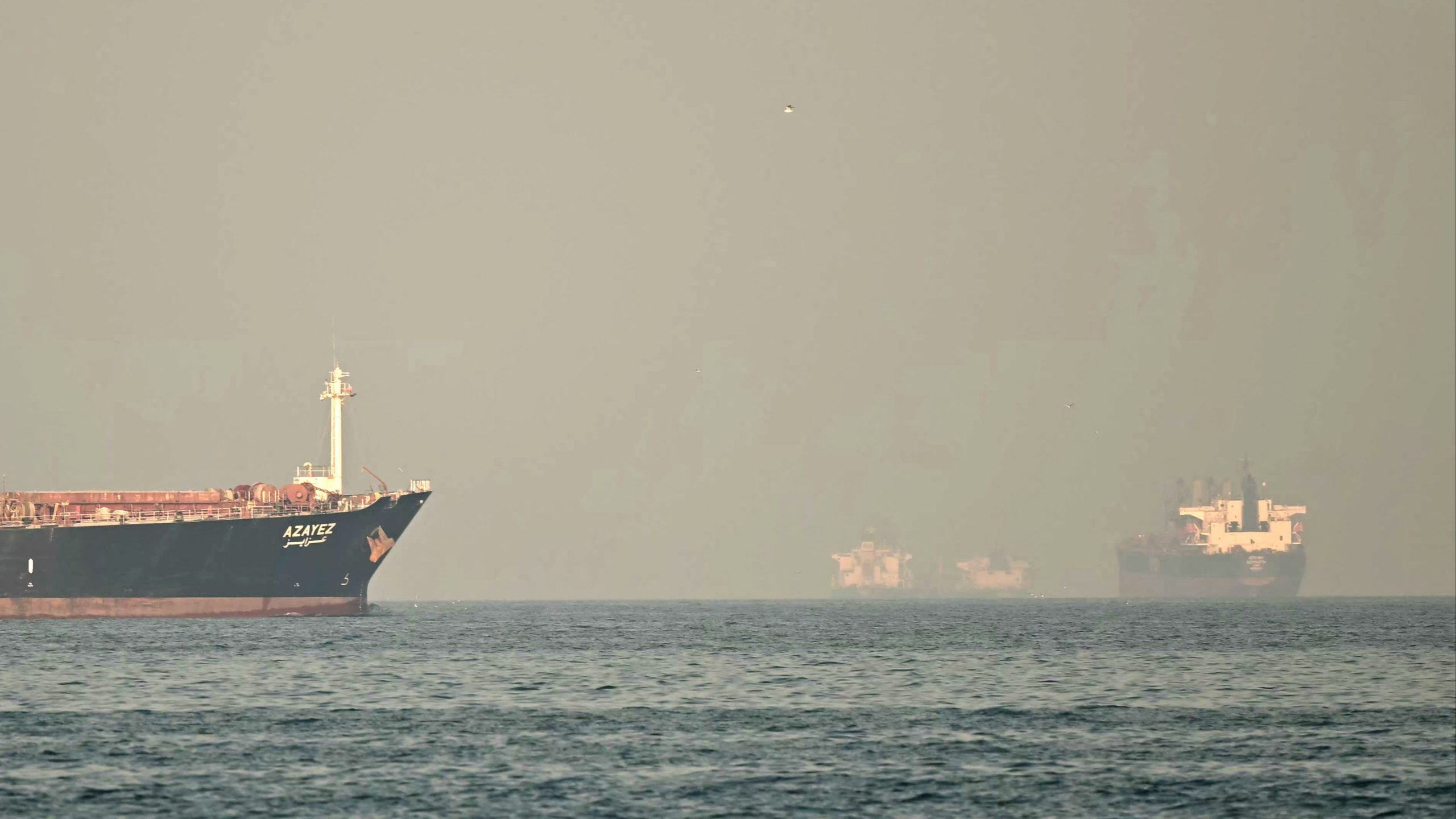

Senior executives across the Gulf and North Africa are intensifying a coordinated lobbying campaign in Washington, arguing that Tehran’s de‑facto control over the Strait of Hormuz represents a systemic risk to global trade flows and a precedent that could destabilise sovereign capital markets throughout the region. The lobbying effort, led by senior figures from major petrochemical conglomerates, sovereign wealth funds and regional banks, underscores how any disruption to the strait’s shipping lanes – which handle roughly 21 million barrels of oil per day – would reverberate across the MENA financial ecosystem, inflating sovereign borrowing costs and jeopardising ongoing infrastructure projects funded by multilateral lenders.
At the heart of the debate is the potential impact on venture‑capital pipelines that have emerged in the UAE, Saudi Arabia and Egypt over the past decade. Investors have poured an estimated $12 billion into fintech, clean‑energy and logistics start‑ups, betting on the region’s pivot away from oil dependence. A prolonged geopolitical shock in Hormuz could trigger a flight to safety, derailing capital inflows and forcing venture funds to re‑allocate portfolios toward less risky, government‑backed assets. Executives warn that even a brief shutdown would erode confidence in the region’s risk‑adjusted return profile, prompting a reassessment of the cost of capital for both sovereign issuers and private‑equity participants.
From a sovereign perspective, the lobbying narrative highlights the intricate link between maritime security and debt sustainability. Nations such as Saudi Arabia, Qatar and Oman have leveraged high‑yield sovereign bonds to finance megaprojects ranging from green hydrogen complexes to high‑speed rail corridors. Any perceived escalation in Hormuz‑related supply chain risk would likely be reflected in widening spreads on these issuances, increasing financing costs at a time when regional governments are attempting to diversify revenue streams away from volatile hydrocarbon receipts.
Infrastructure planners in the MENA corridor are also recalibrating routes and logistics hubs to mitigate exposure to the strait’s volatility. The United Arab Emirates has accelerated the development of the Al‑Maktoum International Airport and inland dry‑port facilities, while Saudi Arabia is fast‑tracking its Red Sea port network to provide alternative export pathways. These strategic shifts underscore a broader regional imperative: safeguarding the flow of capital and commodities by decoupling critical supply chains from geopolitically sensitive chokepoints. The outcome of the U.S. administration’s policy response will therefore be a decisive factor in shaping the cost structure and investment appetite across the Middle East’s sovereign and venture‑capital landscapes.