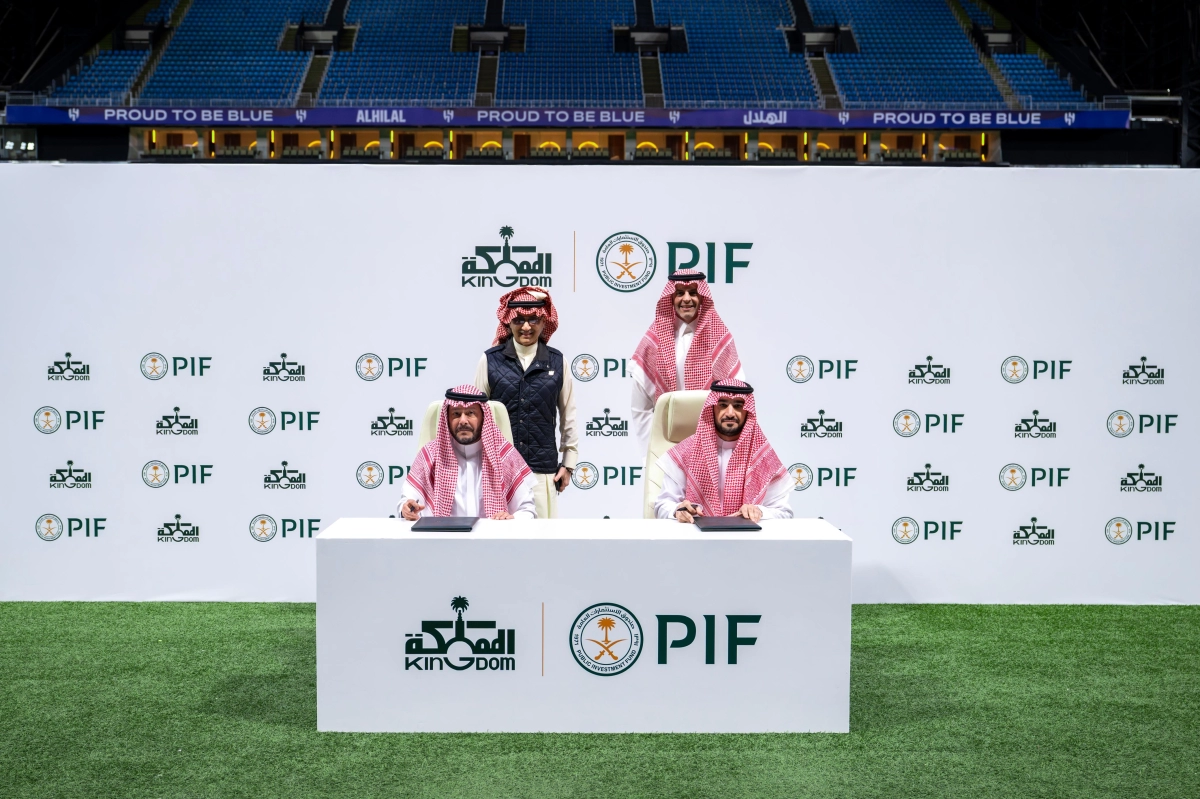
Saudi Arabia’s Public Investment Fund (PIF) has emerged as a cornerstone of the Kingdom’s economic transformation, deploying approximately SAR750bn ($200bn) into domestic projects between 2021 and 2025, including landmark ventures such as the Red Sea Project, NEOM, and Riyadh Season. This strategic capital allocation has catalysed a 70% surge in non-oil real GDP growth during the period, with the PIF’s assets under management surpassing SAR3.4tr ($906.7bn) by 2025. The fund’s diversification into infrastructure, technology, and tourism has not only bolstered domestic economic resilience but also attracted SR910bn ($242.7bn) in ancillary private sector investments, reflecting a maturing ecosystem for institutional capital. By prioritising long-term value over short-term returns, PIF is redefining regional sovereign wealth management while aligning with Vision 2030’s objectives to reduce oil dependency.
The PIF’s aggressive growth phase has also spurred significant shifts in venture capital dynamics across the MENA region. Between 2021 and 2025, foreign institutional investments into Saudi fintech, logistics, and renewable energy sectors soared to $15.2bn, with early-stage tech startups receiving 44% of the total capital, up from 29% in 2015. The fund’s backing of 12,000 private sector opportunities valued at SAR562bn ($149.9bn)—notably in real estate and digital services—underscores its role in de-risking high-potential industries and bridging the SME credit gap. This venture capital wave has created a feedback loop, with Saudi startups achieving unicorn status at an accelerated pace, validating the efficacy of state-backed risk mitigation strategies. However, sustaining this momentum will require addressing talent shortages and regulatory fragmentation, areas where PIF’s public-private partnerships are increasingly critical.
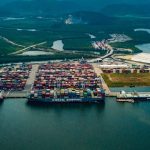
Regionally, the PIF’s infrastructure push is reshaping the MENA geopolitical and economic landscape, with SAR200bn earmarked for cross-border projects like the $1.2bn Jeddah-Damascus railway and the Northern coast free zones initiative. These investments aim to transform the Kingdom into a logistics and energy hub, reducing average freight times to neighboring economies by 30% and positioning Riyadh as a gateway for trade with Sub-Saharan Africa and Asia. Meanwhile, partnerships with Gulf peers to develop hydrogen supply chains and digital payment networks are fostering a nascent energy transition collaboration unlikely to have materialized without PIF’s catalytic capital. As the fund’s influence extends to Djibouti’s port modernization and Yemeni reconstruction plans, it is quietly redefining sovereign capital as a tool for regional stabilisation and industrial connectivity, with long-term implications for MENA’s integration into global value chains.