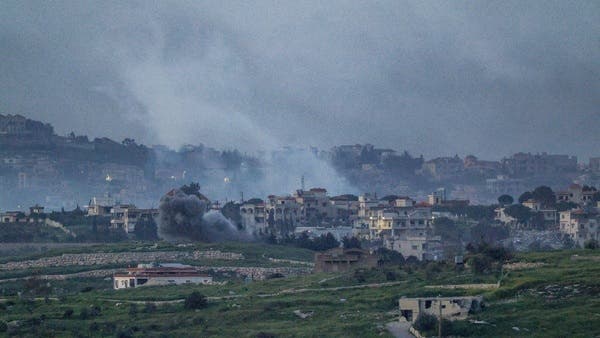

The imminent 10‑day ceasefire between Israel and Hezbollah, announced amid heightened tensions in southern Lebanon and Beirut’s southern suburbs, has injected fresh volatility into MENA financial markets. Sovereign wealth funds across the Gulf—particularly those of Abu Dhabi, Saudi Arabia, and Qatar—are reassessing exposure to Lebanese sovereign debt and related infrastructure conduits, as the lack of a verifiable withdrawal timetable for Israeli forces raises concerns about renewed hostilities and the credibility of any peace architecture. The heightened risk premium is already widening spreads on Lebanese eurobonds and prompting a cautious stance from regional institutional investors who await concrete guarantees before committing capital to reconstruction‑linked instruments.
Physical damage to transport nodes, housing stock, and utility networks in the south Lebanon corridor and the Beirut suburbs translates directly into a multi‑billion‑dollar infrastructure gap. Preliminary estimates from UN‑linked assessments suggest that restoring bridges, roads, and electricity grids could exceed $4 billion, a scale that exceeds Lebanon’s fiscal capacity and necessitates external financing. In this context, sovereign capital from MENA states is poised to play a decisive role—either through direct concessional loans, participation in multilateral reconstruction trusts, or via public‑private partnerships that leverage Gulf expertise in utilities, renewable energy, and smart‑city technologies. The urgency of rebuilding also creates a pipeline for venture‑backed solutions in modular construction, off‑grid power, and digital services for displaced populations, provided that security conditions improve sufficiently to protect operational sites.
For the region’s venture capital ecosystem, the current climate of uncertainty is prompting a temporary pause on new deal flow in Lebanon‑focused funds, with many limited partners reallocating capital to safer havens such as the UAE and Saudi Arabia, where regulatory frameworks and macro‑stability are perceived as more resilient. However, the ceasefire’s potential to unlock reconstruction funding could catalyze a wave of impact‑oriented investments in fintech, agritech, and health‑tech sectors that address the needs of displaced communities and support the rebuilding of local supply chains. Fund managers that can demonstrate robust risk‑mitigation structures—such as political risk insurance, escrow mechanisms tied to ceasefire verification clauses, and co‑investment with sovereign entities—stand to capture first‑mover advantage in a nascent but high‑growth niche.
To translate the ceasefire into sustainable economic recovery, policymakers and financiers must prioritize three interlocking actions: (1) securing internationally monitored, time‑bound commitments for Israeli troop withdrawal and cessation of cross‑border strikes; (2) establishing a blended‑finance facility that combines sovereign guarantees, concessional multilateral lending, and private‑sector equity to de‑risk infrastructure projects; and (3) creating a regional venture‑capital platform earmarked for reconstruction‑tech, anchored by Gulf‑based limited partners and overseen by a transparent governance board. Only through such coordinated, institutionally backed measures can the MENA region convert a fragile pause in hostilities into a durable catalyst for capital formation, infrastructure renewal, and long‑term economic resilience.