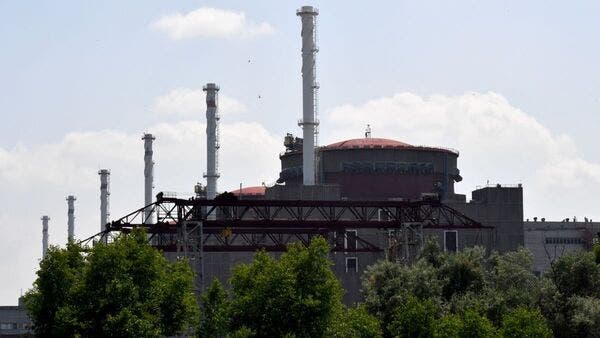

The temporaryloss of off-site power at Zaporizhzhia’s nuclear facility underscores a critical inflection point for energy security dynamics across the Middle East and North Africa (MENA). While the immediate impact is confined to Ukraine, the event serves as a stress test for regional stakeholders reliant on stable energy infrastructure. MENA’s sovereign capitals, already navigating diversified investment portfolios amid geopolitical volatility, may recalibrate strategies to prioritize energy resilience and decarbonization amendments. For nations with burgeoning industrial sectors or aspirations toward fossil fuel independence, this incident amplifies the urgency of integrating redundant power systems and exploring modular nuclear technologies as alternatives. The specter of cross-regional energy disruptions could also catalyze a strategic pivot among MENA governments toward securing sovereign energy assets, potentially accelerating investments in self-sufficient grids or advanced grid-scale storage solutions.
Business ecosystems in MENA, particularly those reliant on energy-intensive operations, face heightened exposure to such shocks. UAE- and Saudi-led industrial zones, already confronting capacity constraints, may confront near-term operational costs tied to energy price volatility or supply chain bottlenecks. Sovereign wealth funds, with growing mandates to support strategic sectors, could redirect capital toward ventures mitigating energy insecurity, such as decentralized renewable microgrids or AI-driven grid optimization platforms. Meanwhile, venture capital ecosystems in MENA report a moderate slowdown in energy-tech investments, with investors adopting risk-averse stances amid geopolitical antecedents. Those opportunities that survive—such as hydrogen energy startups or smart grid ventures—may see accelerated funding flows if framed as mitigants against regionalized energy instability, positioning MENA as a proactive hub for climate-resilient innovation.
Beyond immediate risks, the incident highlights vulnerabilities in MENA’s regional infrastructure development frameworks. While Gulf states continue to invest in large-scale renewable projects, the event questions the long-term viability of centralized power generation models in conflict-adjacent or politically fragile areas. This could spur increased focus on localized infrastructure resilience, including hardening transmission networks or adopting micro-nuclear solutions for critical infrastructure. Additionally, MENA’s capacity to attract global venture capital in energy tech may hinge on demonstrating robust governance models for infrastructure stability. Governments may also incentivize public-private partnerships to overhaul outdated grids, aligning with broader regional climate goals. The Zaporizhzhia incident, therefore, serves not merely as a geopolitical footnote but as a catalyst for systemic reassessment of energy infrastructure priorities across the region, with profound implications for sovereign capital allocation and long-term industrial competitiveness.