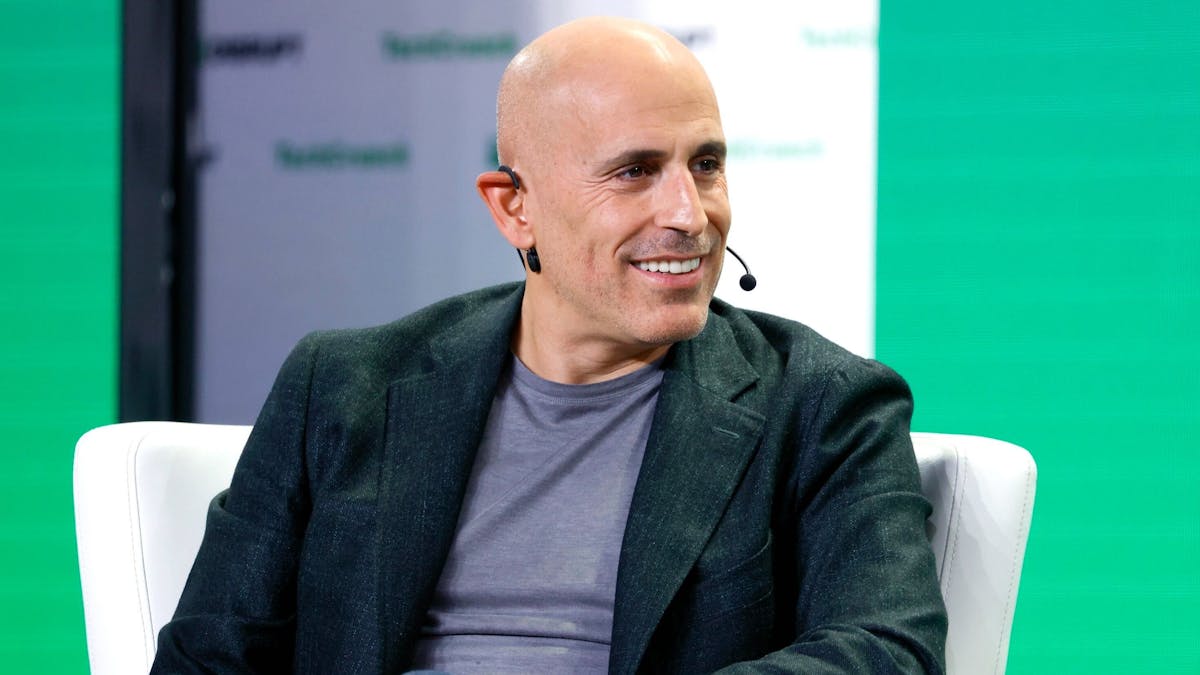

The pre-IPO preparationsby Marc Lore’s Wonder Enterprises underscore a strategic shift in global tech investment patterns with significant implications for the Middle East and North Africa (MENA) region. As the company positions itself for a 2027 market debut, its momentum could catalyze renewed interest in MENA’s digital infrastructure and e-commerce ecosystems. Sovereign capital in the Gulf Cooperation Council (GCC) states, long focused on diversifying economic portfolios beyond oil, may increasingly channel funds into frontier tech ventures like Wonder, aligning with national tech diversification strategies. A successful IPO by a mid-sized Western tech firm could embolden MENA-based startups to pursue similar exits, shifting venture capital (VC) flows toward regional hubs such as Dubai, Riyadh, or Casablanca. This could accelerate sovereign investment in digital transformation projects, particularly in logistics and fintech sectors critical to MENA’s economic integration.
The venture capital landscape in MENA is at a inflection point, with venture-backed startups increasingly seeking global exits to attract institutional capital. Wonder’s pre-IPO strategy, characterized by transparent long-term milestones, offers a blueprint for MENA-focused ventures aiming to attract both local and foreign institutional investors. Sovereign entities in MENA, including sovereign wealth funds and state-owned funds, may leverage such models to fund regional tech ecosystems, fostering a symbiotic relationship between public and private capital. However, this requires addressing gaps in regional infrastructure—particularly in cross-border digital payment systems, last-mile delivery networks, and regulatory frameworks that remain fragmented across MENA states. Enhancing these pillars would not only support Wonder’s scalability in the region but also position MENA as a competitive player in global tech marketplaces.
The business impact of a Wonder IPO extends to MENA’s nascent tech sector by setting a precedent for scalable unicorn valuations within the region. Sovereign capital in MENA, particularly from nations like Saudi Arabia and the UAE, has historically prioritized large-scale infrastructure and energy projects. A shift toward tech-driven investments would necessitate recalibrating sovereign capital deployment strategies, favoring high-growth, knowledge-intensive ventures. This could trigger a wave of VC activity in MENA, with local firms mimicking Wonder’s pre-IPO transparency to secure international syndicates. Crucially, regional infrastructure improvements—such as upgraded data centers in Marrakech or Abu Dhabi, or AI-powered logistics hubs in Dubai—would become prerequisites for attracting such capital. Without substantial investment in these areas, MENA risks being sidelined in the next phase of global digital economic growth.