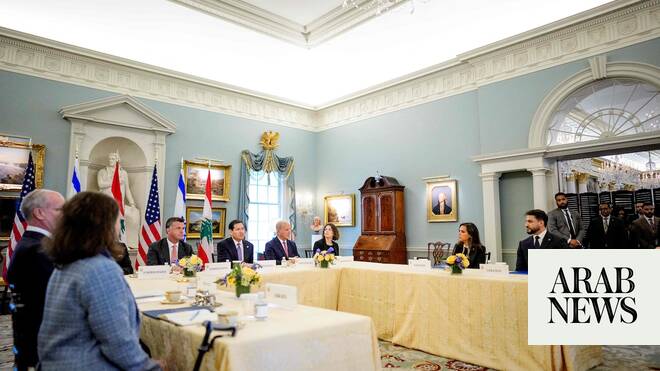

The potential enforcement of an ICC arrest warrant against Israeli Prime Minister Benjamin Netanyahu by Hungary’s incoming government introduces profound geopolitical risk variables into the MENA region’s financial calculus, triggering immediate recalibrations in sovereign capital allocation and investment risk premiums. Major Gulf sovereign wealth funds, now holding over $4 trillion in assets, face heightened scrutiny in assessing exposure to Western-aligned assets, with senior asset managers actively de-risking portfolios across sectors susceptible to regional spillover effects, particularly in European and North American equities. Simultaneously, this legal imbroglio complicates already complex regional alignment strategies, potentially accelerating sovereign capital flows into Chinese and Asian markets perceived as offering greater political insulation, while forcing rethinkings of long-term infrastructure financing commitments tied to multilateral frameworks.
Within the regional venture capital ecosystem, the ramifications extend beyond immediate geopolitical anxiety, potentially constraining funding availability for Israeli-founded MENA startups which have attracted over $3.5 billion in the last two years alone. VCs headquartered in Gulf financial hubs and Tel Aviv now grapple with heightened due diligence complexities surrounding cross-border investments, particularly in cybersecurity and defense tech segments, with several large funds temporarily freezing new commitments pending clearer regulatory and diplomatic clarity. This liquidity contraction coincides with a broader tech funding slowdown, necessitating a pivot towards more capital-efficient business models and accelerated localization strategies, potentially stifling the rapid scaling trajectories witnessed during the preceding boom period.
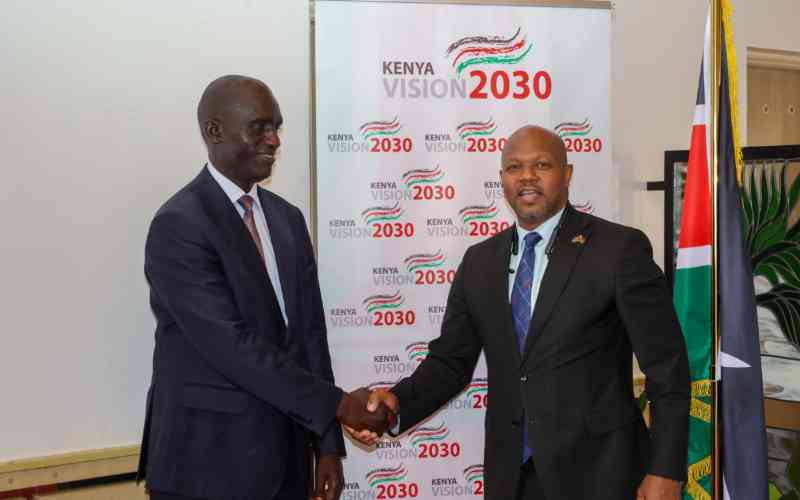
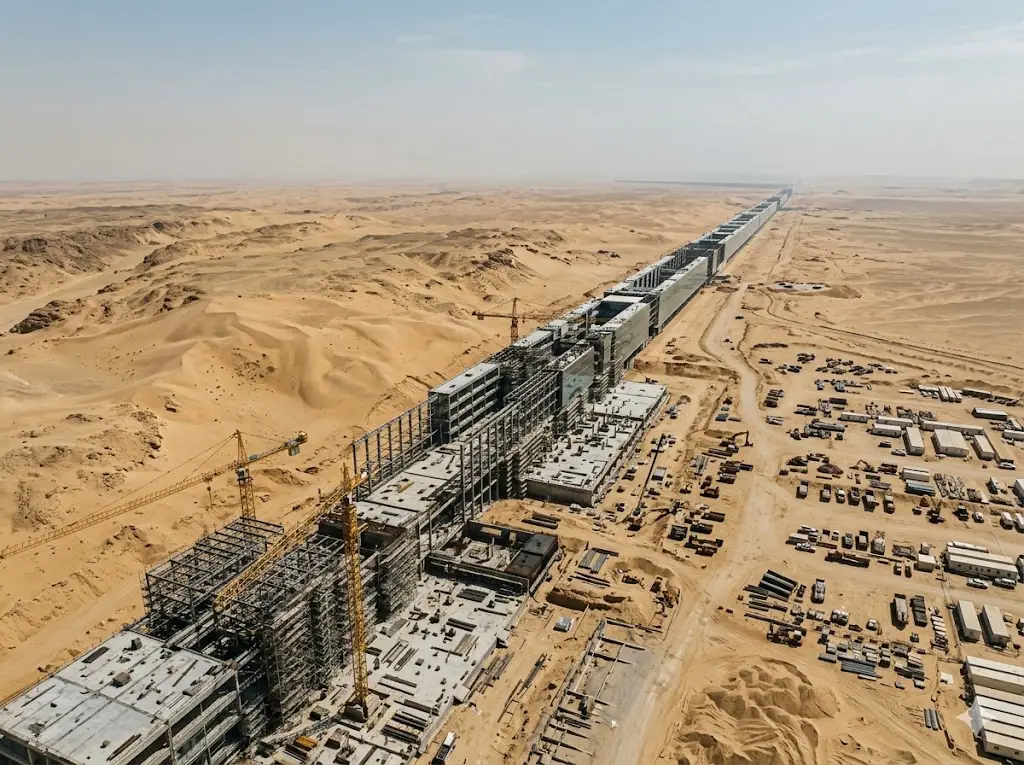
Infrastructure development corridors and energy projects, critical drivers of MENA’s diversification ambitions under Vision 2030 and comparable frameworks, face direct threats of disruption stemming from international financial system fragmentation. Banking syndicates, heavily reliant on correspondent relationships with Western institutions currently navigating potential sanctions risks, may curtail financing for interconnectivity projects involving Israeli partners, including trans-regional digital infrastructure and cross-border energy grids. This could significantly delay initiatives like the planned Israel-Jordan-UAE power and water exchange, compelling regional governments to accelerate alternative financing mechanisms through Islamic bonds and bilateral direct investment, while simultaneously elevating the strategic imperative of intra-GCC liquidity pools and blockchain-based settlement systems to ensure project continuity.